Destination guide
Plan your time in Ladakh
On this page 19 sections
- Ladakh at a glance
- How the places connect
- When to go
- Permits, fees and rules
- Roads and getting in
- Monasteries and culture
- Landscape and nature
- A sample route, and how to read it
- Festivals and the calendar
- Wildlife and birds
- Winter in Ladakh
- Mistakes we help you avoid
- Ladakh for different kinds of traveller
- Food
- Where to stay
- Connectivity and money
- Safety and responsible travel
- Costs to expect
- How we plan Ladakh trips
Ladakh is a place that changes people's sense of scale. It is a high-altitude desert in the rain shadow of the Himalaya, a land of bare mountains, deep blue skies, and lakes the colour of turquoise. Monasteries sit on cliff edges, prayer flags snap in the wind, and the nights are so clear that the Milky Way seems close enough to touch. It is also a place where altitude, weather and roads set the rules. The best Ladakh trips are the ones that respect those rules. This page is our working guide to planning Ladakh: how the regions fit together, which season suits which trip, how to acclimatise and what to settle before you ask for a quote.
Ladakh at a glance
Ladakh is a Union Territory in the far north of India, between the Karakoram range and the Himalaya, with Tibet to the east and Kashmir to the west. Its main town, Leh, sits at about 3,500 metres. The Indus river runs through it, and the villages and monasteries cluster along the valley. Most visitors cover a handful of regions:
- Leh is the base, with a palace, monasteries and a bazaar.
- Nubra Valley lies over Khardung La, with sand dunes, Diskit Monastery and the village of Turtuk.
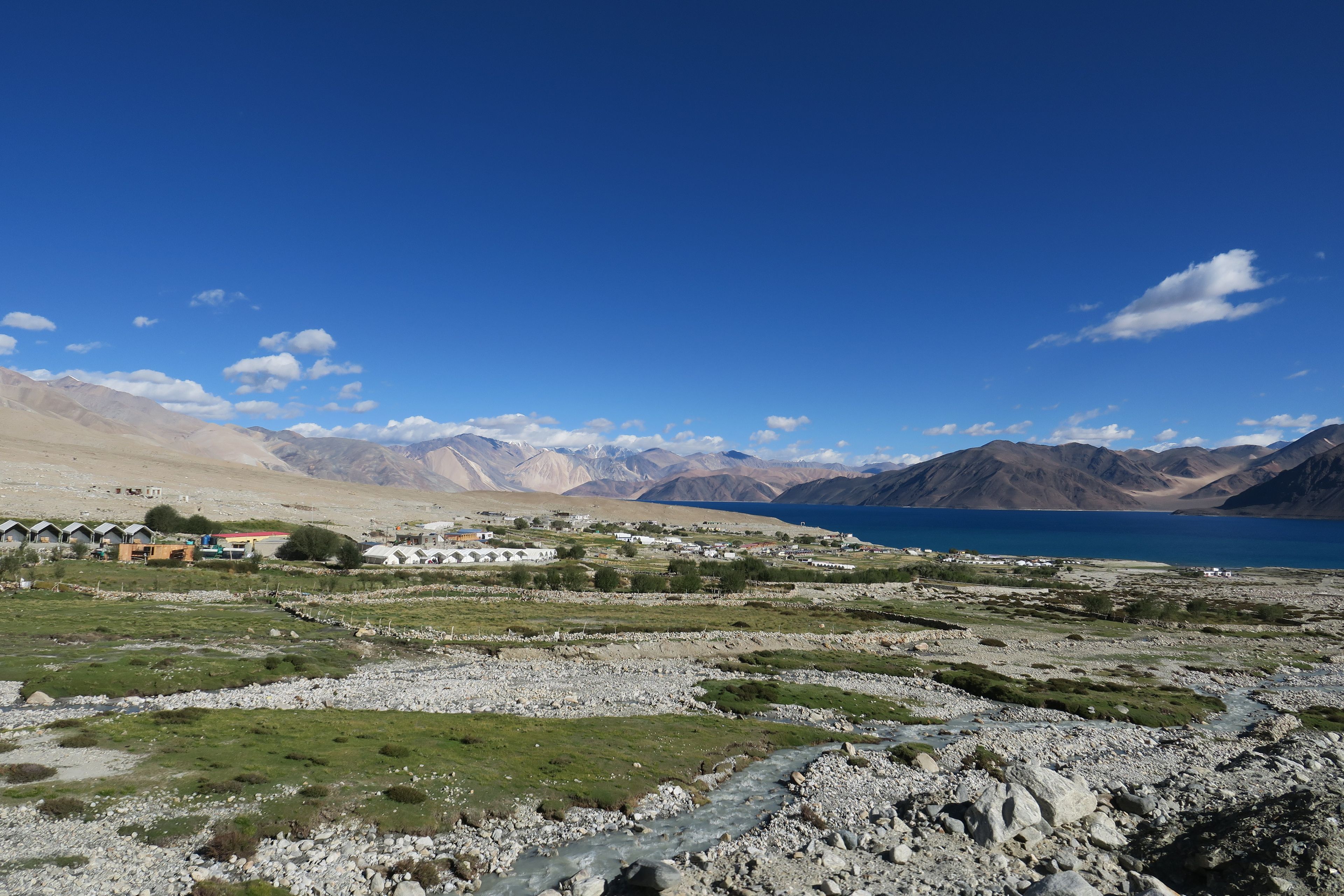
- Pangong Tso is the high lake that changes colour through the day.
- Tso Moriri and Hanle are remote high-altitude lakes and a Dark Sky Reserve.
- Kargil, Lamayuru and Alchi form the western route, with moonscapes and ancient monasteries.
How the places connect
Distances look short, but roads are slow. These figures are approximate and assume dry roads.
| Route | Distance | Usual drive time |
|---|---|---|
| Leh to Nubra (Diskit) via Khardung La | about 120 km | 5 to 6 hours |
| Leh to Pangong Tso via Chang La | about 160 km | 5 to 6 hours |
| Nubra to Pangong (via Shyok) | about 170 km | 7 to 8 hours |
| Leh to Tso Moriri | about 220 km | 7 to 8 hours |
| Leh to Lamayuru | about 125 km | 3 to 4 hours |
| Leh to Kargil | about 215 km | 5 to 6 hours |
| Manali to Leh | about 480 km | 2 days |
| Srinagar to Leh | about 420 km | 2 days |
A typical week includes Leh, Nubra and Pangong, with two or three days spent in Leh to acclimatise.
When to go
| Months | What it is like | Suits |
|---|---|---|
| May | Cold, roads opening, light crowds | Experienced travellers, bikers |
| June to September | Warm days, cold nights, roads open, peak season | Most travellers, trekking, festivals |
| October | Cold, clear, early snow | Photographers, quiet travel |
| November to April | Very cold, many roads closed | Winter specialists, Chadar trek, snow leopard tracking |
Our best time to visit Ladakh guide covers each month, and Ladakh weather month by month covers temperatures and packing.
Altitude comes first: Leh sits at about 3,500 metres, and many excursions go above 4,000. Plan at least two full rest days on arrival before travelling to higher places. Read our altitude and safety guide before you go.
Permits, fees and rules
Rules for visiting Ladakh have changed several times. Indian citizens generally need to register online and pay an environment or ecology fee, and to carry the receipt, while some areas near borders have had inner line permit requirements. Because sources conflict and rules evolve, we confirm the current position with the authorities before your trip and handle the paperwork where it applies. Always carry a government photo ID. Local taxi unions in Leh regulate sightseeing, and outside vehicles are often not allowed for local trips. These costs are listed in our quotes.
Roads and getting in
The Leh airport receives flights from Delhi and some other cities, and flying is the most practical way for most visitors. Two highways link Ladakh to the rest of India: the Manali to Leh road, usually open from late May to mid-November, and the Srinagar to Leh road, which often opens earlier. Both cross high passes, and both can be blocked by snow, landslides or floods. Overland travel is spectacular, but it is slow and weather-dependent. Our roads, permits and transport guide explains more.
Monasteries and culture
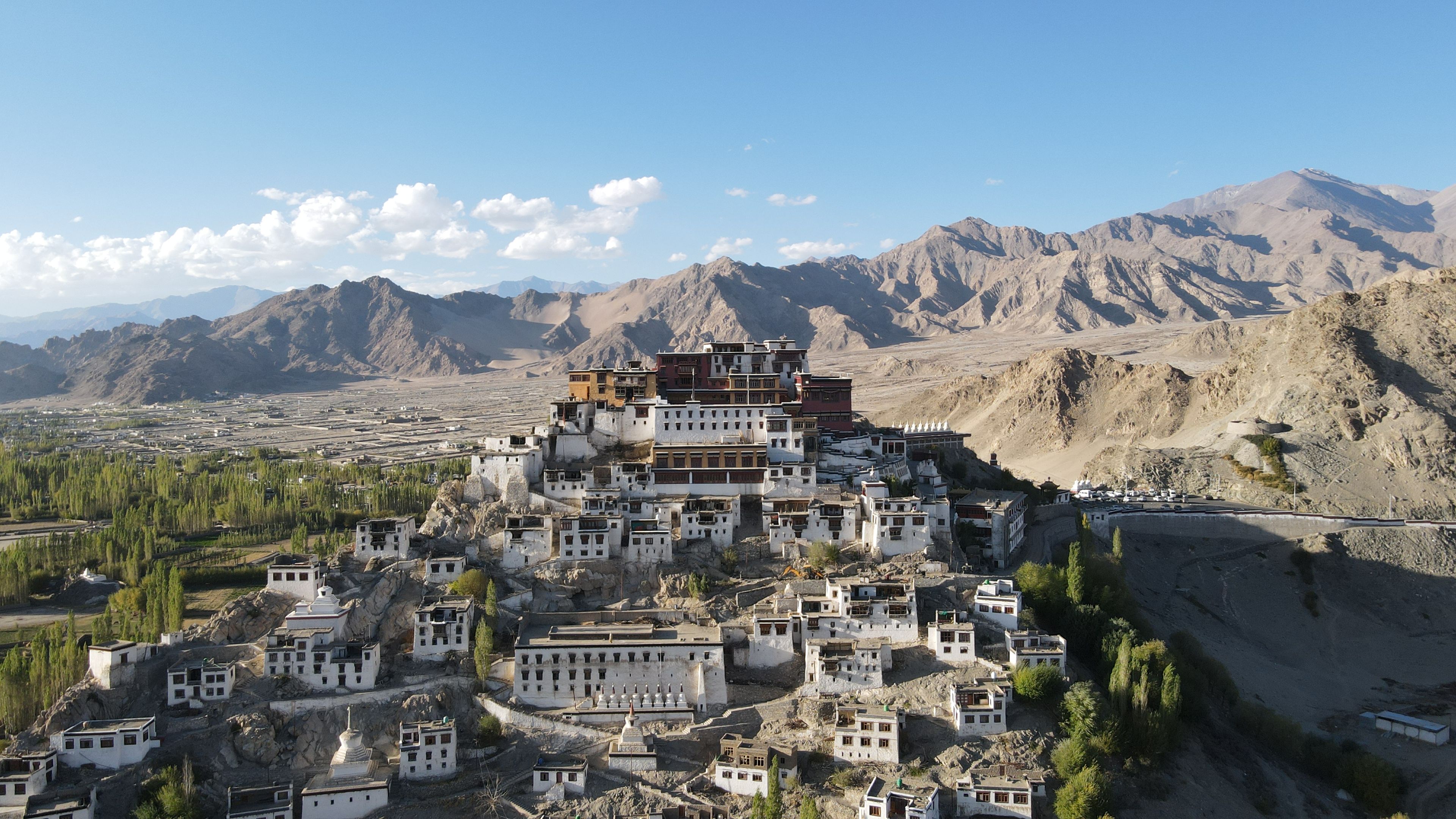
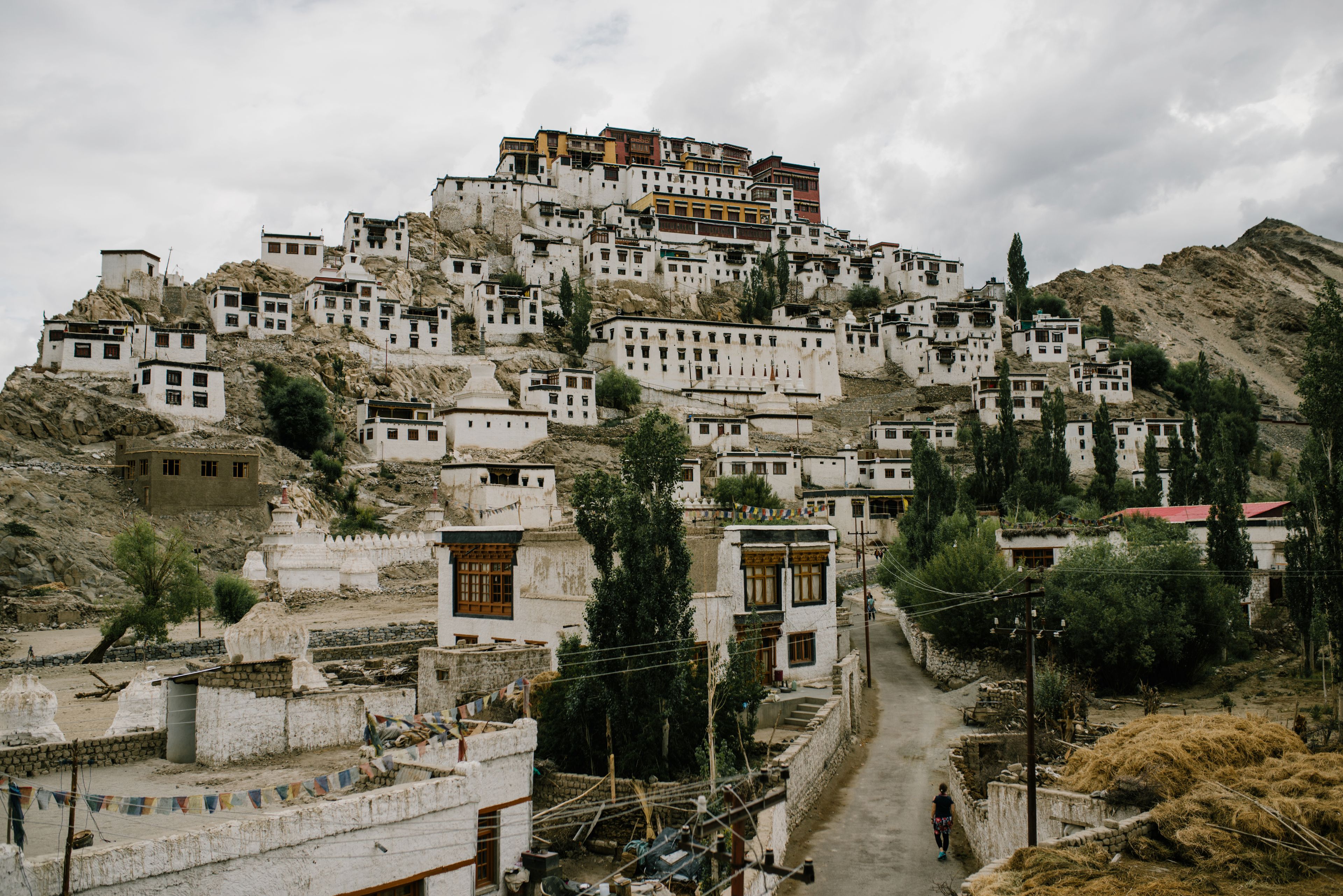
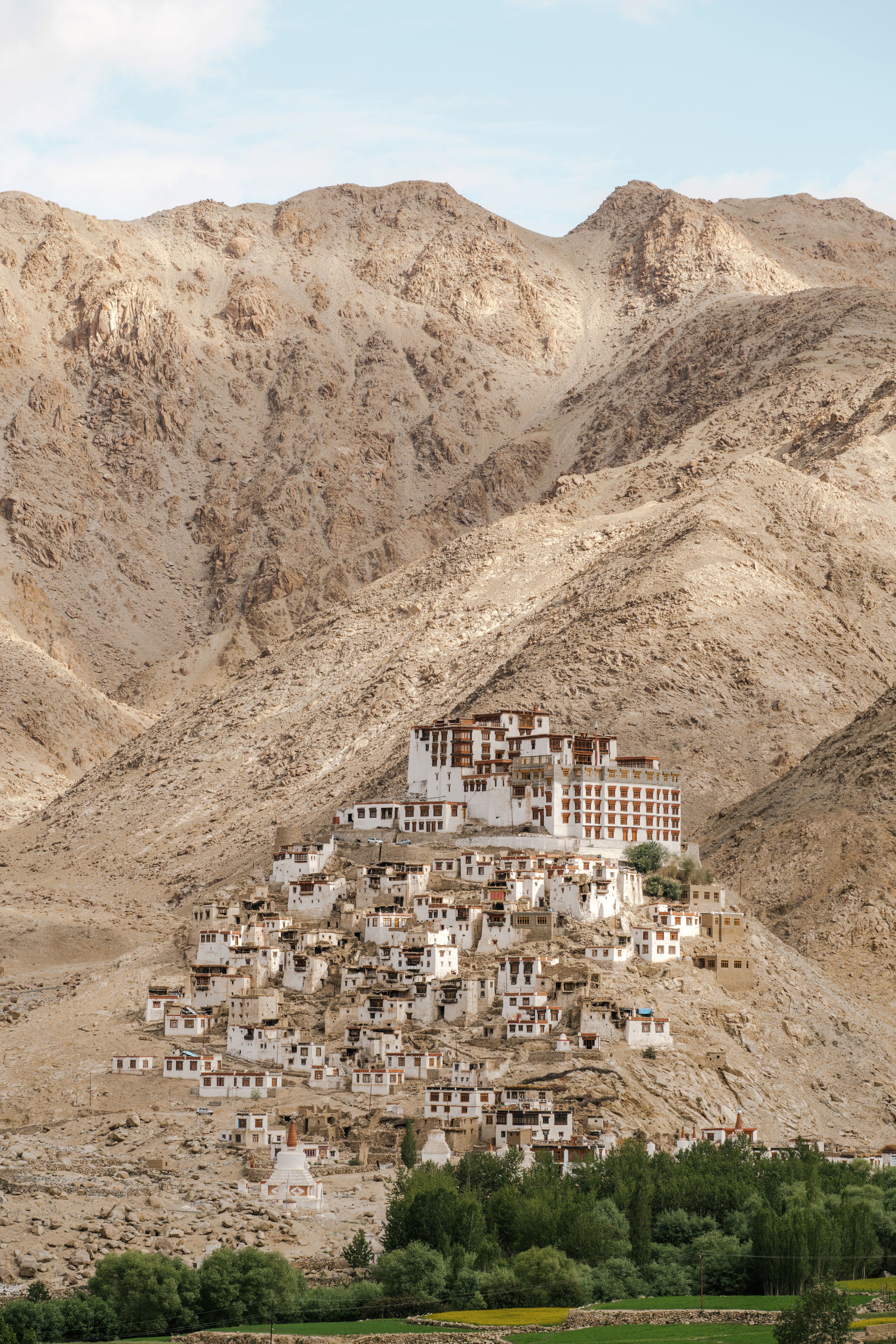
Ladakh's culture is Tibetan Buddhist, and the monasteries (gompas) are living institutions. Thiksey, Hemis, Diskit, Alchi and Lamayuru are among the best-known. Festivals such as Hemis, held in summer with masked dances, draw visitors. Treat monasteries with respect: dress modestly, walk clockwise, keep quiet and ask before photographing.
Landscape and nature
Beyond the monasteries, the draw is the landscape. The high plateau of Changthang is home to nomads and Tibetan wild asses (kiang). Lakes like Pangong, Tso Moriri and Tso Kar sit at over 4,000 metres. Bar-headed geese, black-necked cranes and marmots are among the wildlife. In winter, snow leopards may be seen in places like Hemis National Park. The night sky at Hanle, a designated Dark Sky Reserve, is among the clearest in the world.
A sample route, and how to read it
Most first-time itineraries follow the same logic. Three nights in Leh come first, because the body needs them. Then comes Nubra, which is lower than the lakes and a gentler way of sleeping at altitude. Pangong follows, once you have had several days in the mountains. The return to Leh is often a rest evening, and a western-route day to Alchi and Lamayuru makes a lower-altitude finish and a buffer in case a pass has been closed. If you have more time, Tso Moriri fits between Pangong and the return. If you have less, drop Pangong and keep the rest days. The sequence matters more than the number of places.
Festivals and the calendar
Monastery festivals follow the Tibetan lunar calendar, so dates move each year. Masked dances at Hemis in summer are the best known, and Thiksey, Korzok and other monasteries have their own festival days. The Sindhu Darshan gathering on the Indus is held in June, and the Ladakh Festival has been held in September. If a festival matters to you, tell us early, because Leh fills up around those dates and the best camps go first. Check the dates close to your travel plans, since monasteries announce them late.
Wildlife and birds
Ladakh's wildlife is subtle and rewards patience. In summer you can expect marmots whistling at the edge of burrows, kiang (Tibetan wild asses) on the Changthang plateau, and Himalayan birds such as bar-headed geese, brahminy ducks, ruddy shelducks and red-billed choughs. Black-necked cranes breed in the wetlands near Tso Moriri and Tso Kar. Snow leopards live in the valleys around Hemis National Park, but sightings are rare and mostly happen in winter with specialist trackers. We would rather tell you that now than promise a sighting that cannot be guaranteed.
Winter in Ladakh
From November to March, the highways close, many guesthouses shut and temperatures fall far below freezing. Flights to Leh continue, and a small number of travellers come for snow leopard tracking, winter treks and quiet monasteries. This is a trip for people who are comfortable in serious cold and who accept that plans can change at short notice. If winter is what you want, tell us, and we will explain frankly what is and is not possible.
Mistakes we help you avoid
- Going to Pangong or Tso Moriri on the second or third day.
- Booking a trip with no spare day for road or flight changes.
- Underestimating driving times, which are always longer than the map suggests.
- Packing only for sunshine and forgetting how cold nights are.
- Renting a motorbike on arrival without experience.
- Relying on outdated permit advice from forums.
- Expecting hotel comfort in camps at the lakes.
Ladakh for different kinds of traveller
Couples who love landscapes will enjoy Ladakh, but should choose better camps and a slower pace. Families need to be cautious about altitude, particularly with young children. Friends and adventure seekers love the passes, the roads, treks and bike journeys. Photographers have endless material, from monasteries to the stars. Spiritual travellers will value the monasteries and the stillness. Senior travellers should consult a doctor, stay in Leh and consider only the lower-altitude excursions.
Food
Ladakhi food is simple and warming: thukpa, momos, skyu, tingmo, butter tea and barley. Leh has restaurants serving Tibetan, Indian and continental food, and bakeries with German-style cakes. Vegetarians eat well. Apricots, seabuckthorn juice and local breads are distinctive. In camps and homestays, meals are simple but filling. Our Ladakh food guide covers what to order.
Where to stay
Leh offers everything from guesthouses to luxury hotels. Nubra has camps and small hotels in Hunder, Diskit and Sumur. Pangong has basic camps and cottages, with few comforts. Tso Moriri has simple camps. Book early for June to August, and ask about heating, hot water, bedding and generator hours. Homestays give a personal touch and support local families.
Connectivity and money
Postpaid mobile connections work in Leh and parts of Nubra. Prepaid SIMs from other states generally do not work. There is little or no coverage at the lakes and passes. ATMs are limited outside Leh, so carry cash. Download maps, tickets and documents in advance.
Safety and responsible travel
Altitude, cold, sun and weather are the main risks. Roads are rough, and drivers need experience. Carry your waste out, avoid plastic and conserve water, since resources are scarce. Respect local customs, and do not disturb wildlife. In September 2025, protests over statehood turned violent in Leh and a curfew was imposed, which hit tourism; we follow official advice and check conditions close to your dates.
Costs to expect
Costs depend on the season, the type of camp and the length of stay. Flights, taxi union charges and permits add to the total. Meals, entry fees and activities are often paid locally. See our Ladakh trip cost guide for how a quote is built.
How we plan Ladakh trips
We start with a conversation about who is travelling, what experience you have with altitude and when you plan to go. Then we propose a route that begins with acclimatisation, name the stays, vehicles and fees, and write down what is included and what you pay locally. You review the quote, change what you like and confirm only when it works. There is no fee to start. Browse our Ladakh tour packages, read the first-time visitor guide, or share your dates and group and we will draft a plan.