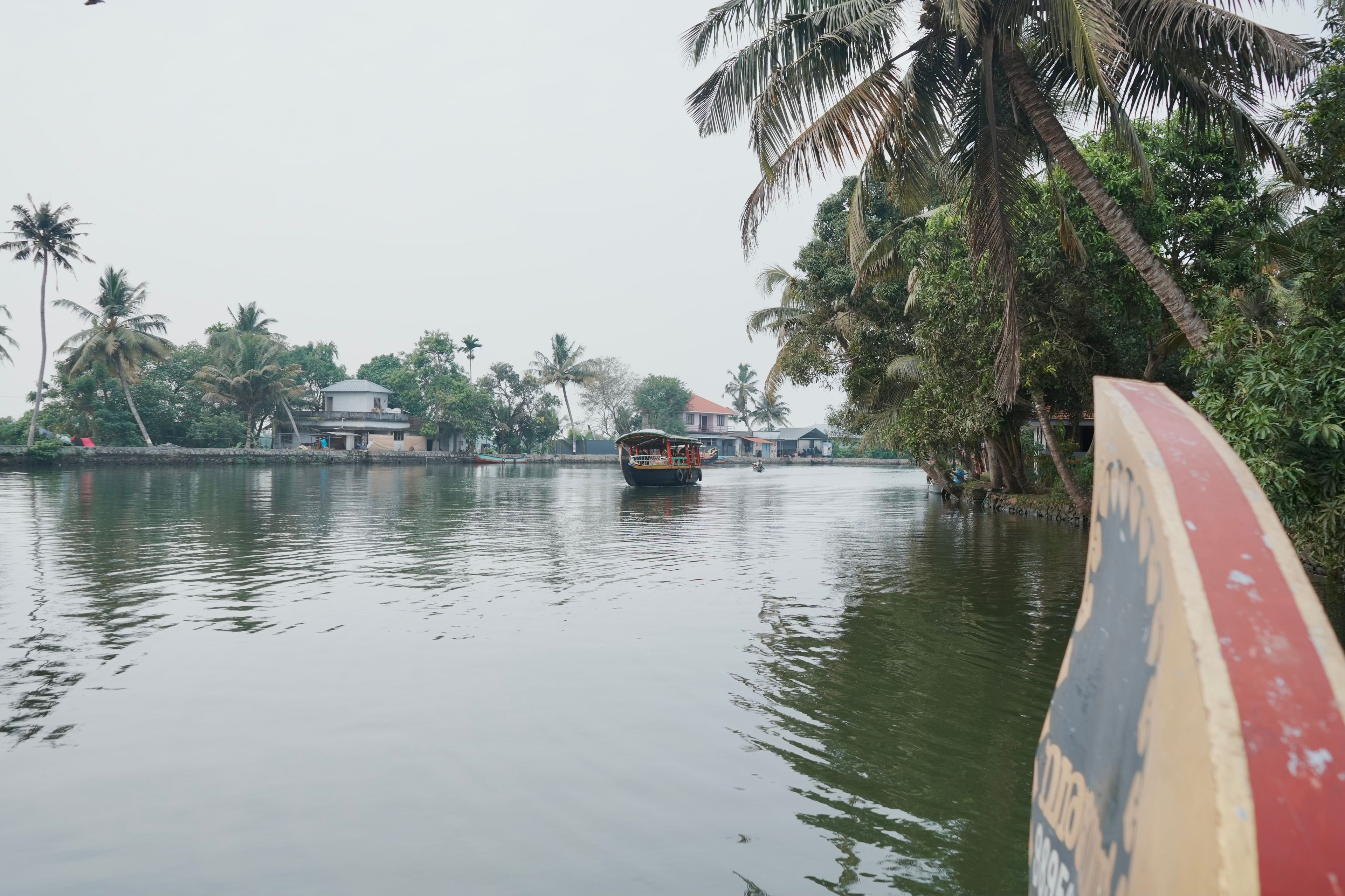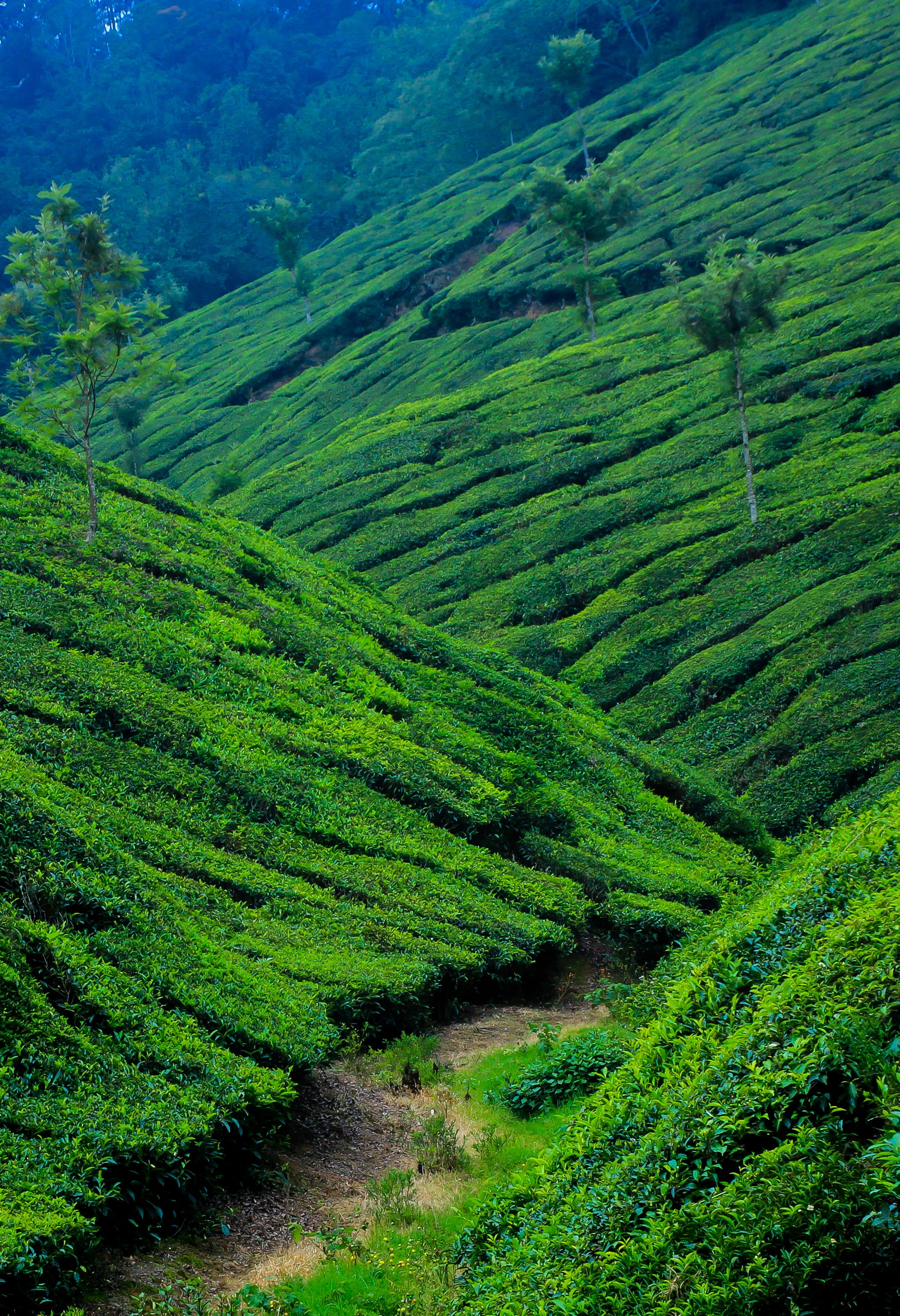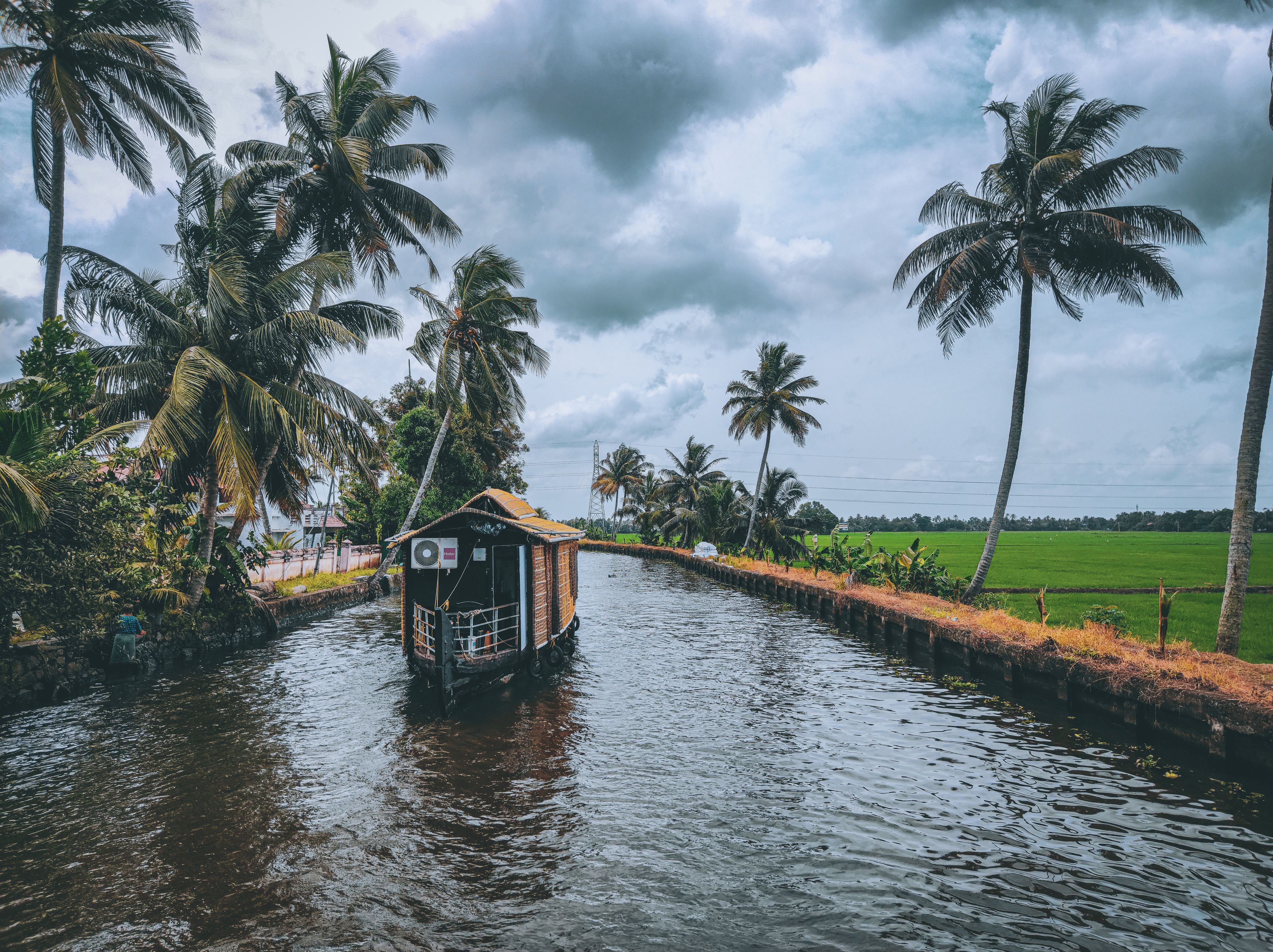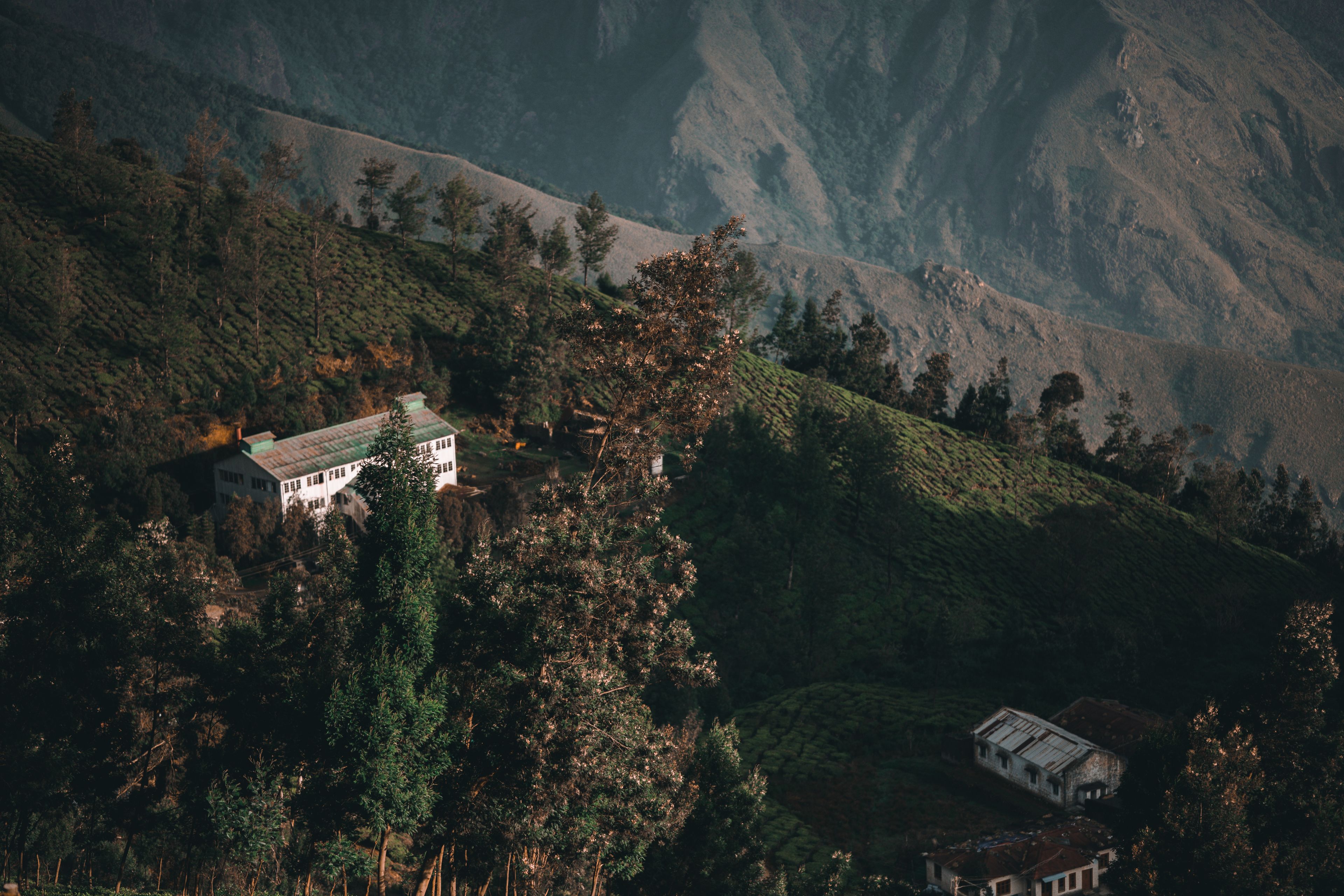
Short answer
December to March is the driest and most comfortable time to visit Kerala, and the busiest. September to November is green and quieter, with some showers. June to August is the south-west monsoon, best for Ayurveda and waterfalls, but harder for hill roads and beaches.
On this page 11 sections
Kerala's weather follows two monsoons, which surprises many visitors. The south-west monsoon arrives around the start of June and lasts until September, and a lighter north-east monsoon brings showers in October and November. The driest, sunniest stretch is from December to March. Understanding that pattern helps you choose the right months for the trip you want, whether it is a beach holiday, a hill-station break or a week of Ayurveda.
December to March: the dry season
This is Kerala at its most comfortable, and most expensive. Days are sunny and warm, with temperatures around 30 degrees on the coast, nights are cooler, and Munnar can be quite cold in December and January. The sea is calmer, the backwaters are at their most pleasant and most activities run smoothly. It is the best period for a first trip.
Good for: honeymoons, beaches, houseboats, hill stations, wildlife viewing. Watch for: high rates, peak crowds from Christmas to New Year, and the need to book early.
April and May: hot and humid
The coast becomes hot and humid, with daytime temperatures often in the mid-30s. Munnar remains pleasant, which makes it popular with families. Hotel rates fall on the coast. Pre-monsoon thunderstorms are common in the afternoon, especially in May.
Good for: hill stations, budget stays, quiet beaches. Watch for: humidity, afternoon storms, limited sea swimming.
June to August: the south-west monsoon
Heavy rain arrives from early June and continues through July and August. The landscape turns intensely green, waterfalls fill and rivers swell. This is the traditional Ayurveda season, when the cool, damp weather is considered good for treatments, and resorts offer lower rates. But hill roads can face landslides, beaches are unsafe for swimming, and ferries or houseboats may be limited. The Nehru Trophy snake boat race, held on Punnamada Lake in Alleppey, is usually in August.
Good for: Ayurveda, greenery, waterfalls, low prices, resort stays. Watch for: landslide risk, closures, rough seas, travel delays.
September to November: the green shoulder season
Rain eases in September, and the countryside is at its freshest. Onam, Kerala's harvest festival, falls in August or September and brings celebrations, flower carpets and feasts. October and November see lighter showers from the north-east monsoon. Crowds are small, rates are moderate and landscapes are lush.
Good for: backwaters, culture, value, photography. Watch for: unpredictable showers, mild humidity, occasional hill-road issues.
Festivals through the year
- January to March: Temple festivals begin across Kerala, and Theyyam performances in the north.
- April: Vishu, the Malayalam new year, with the Vishukkani display and feasts. Thrissur Pooram, with its elephant processions, takes place in April or May.
- August: The snake boat races of the monsoon, and Onam in August or September. In 2026 Thiruvonam falls around 26 August.
- October to November: The Theyyam season starts in the north.
- December: The Kochi-Muziris Biennale opens in alternate years, running through the cool season. Christmas is celebrated widely.
Dates move with the lunar and Malayalam calendars, so check each year.
Month-by-month snapshot
- January: Dry, sunny and busy; cool nights in Munnar.
- February: Dry and warm; temple festivals in many towns.
- March: Hotter and drier, with fewer crowds; good for hill stations.
- April: Hot and humid on the coast; Vishu celebrations.
- May: Pre-monsoon thunderstorms; Munnar is a refuge.
- June: Monsoon arrives; Ayurveda season begins.
- July: Heaviest rain; waterfalls at their best.
- August: Boat races and Onam preparations.
- September: Rain eases; Onam in some years.
- October: Scattered showers; green and quiet.
- November: Cooling; Theyyam season begins in the north.
- December: Dry and pleasant; Christmas and New Year crowds.
Crowds and prices
Prices and crowds follow the weather closely. Christmas to early January is the busiest and most expensive, followed by Onam and school holidays in April and May. February and March are still busy but less intense. September to November and the monsoon offer much lower rates, though weather needs more flexibility. If your dates are fixed, book early. If they are flexible, the weeks either side of the peak often give the best balance of weather and price.
A simple comparison
| Priority | Best months |
|---|---|
| Beaches and calm sea | December to March |
| Hill stations (Munnar) | September to March, and April to May for cool escapes |
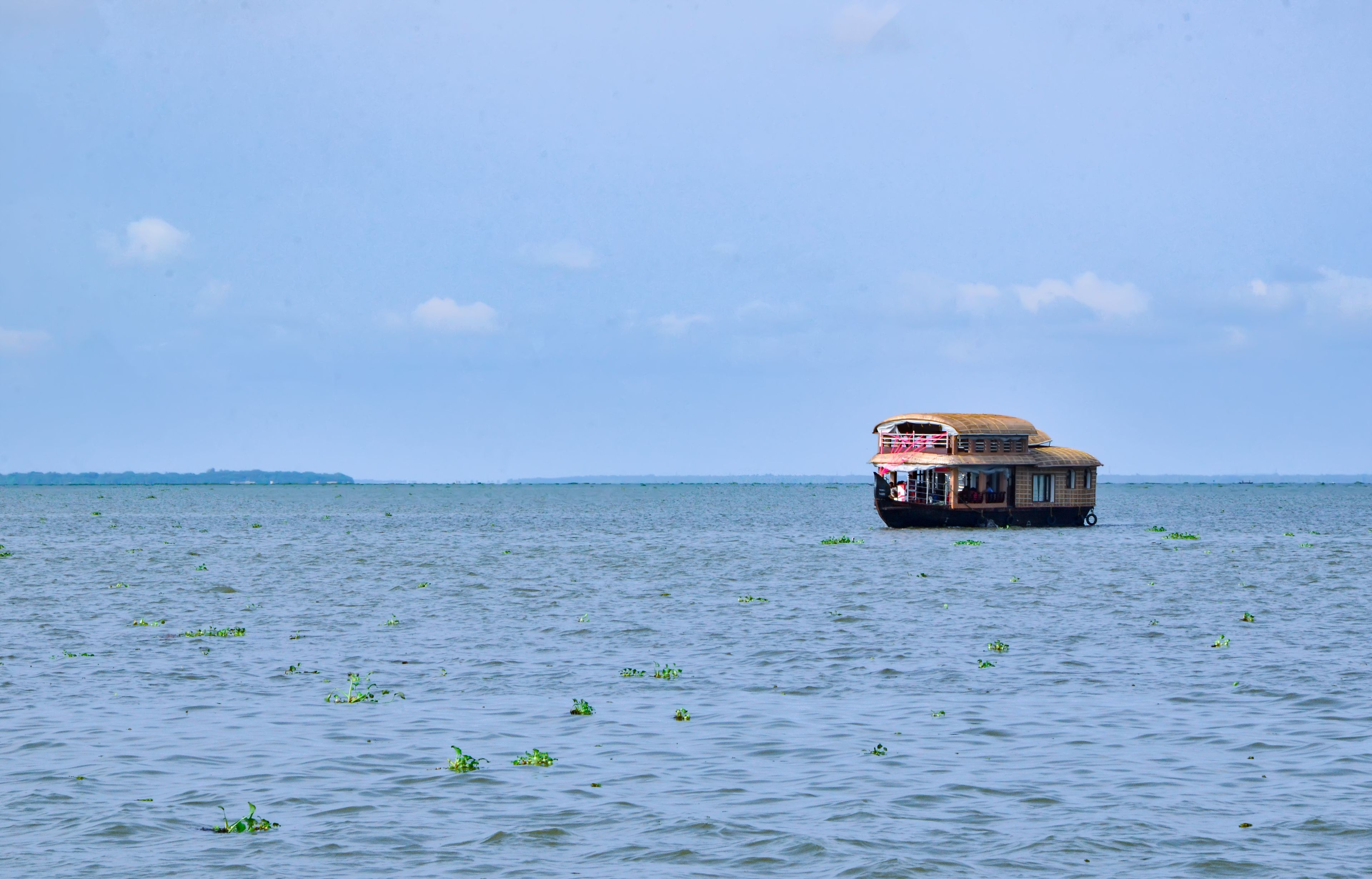
| Backwaters and houseboats | October to March |
| Ayurveda | June to September, or October to March |
| Wildlife (Periyar) | December to April |
| Waterfalls | July to October |
| Lowest prices | June to August |
| Festivals | August to September, April |
Who should go when
Couples tend to choose December to February. Families often go in April to June, when school is out and Munnar is cool. Senior travellers do best between November and February. Photographers love the monsoon and post-monsoon landscapes. Wellness travellers may prefer the monsoon, with its quiet and lower prices.
When monsoon travel works
Monsoon trips work best when they are resort-based and flexible. Choose a hotel with a pool, spa and covered dining, pick one or two bases and keep a spare day. Rain often comes in bursts, leaving mornings or evenings clear, and the landscape is at its most vivid. Avoid steep hill roads on days with heavy-rain alerts.
How to decide
- Decide what matters most: beach, hills, backwaters or wellness.
- Check your fixed dates, such as school holidays or leave.
- Consider who is travelling and how they feel about rain.
- Decide how flexible you can be about route and activities.
See Kerala weather month by month for temperatures and rain, or look at our Kerala tour packages. You can send us your dates for a tailored plan.
Practical tips
- Book hotels and houseboats two to three months ahead for December to January and for Onam.
- Remember that Kerala has two rainy seasons: June to September and October to November.
- Check hill-road and landslide advisories before travelling to Munnar or Wayanad in the rains.
- For Ayurveda, consider the monsoon, when programmes are traditionally at their best.
- Pack a light rain jacket for any month; showers can arrive at short notice.