Short answer
Himachal has cool summers, a wet monsoon and cold, snowy winters. Shimla and Manali are pleasant from March to June and September to November, snowy from December to February and wet in July and August. Spiti is a dry, high desert with freezing winters.
On this page 12 sections
Himachal's weather depends heavily on altitude and on which side of the ranges you are. The lower hills around Shimla are mild; the Kullu valley has a distinct monsoon; Dharamshala is one of the wettest places in India; and Spiti, in the rain shadow, is a cold desert. The ranges below are typical, not forecasts, and they will help you pack and plan.
Month by month
| Month | Shimla (approx.) | Manali (approx.) | What it feels like |
|---|---|---|---|
| January | 1 to 9 °C | -3 to 10 °C | Cold; snow in Manali, often in Shimla |
| February | 2 to 11 °C | -1 to 12 °C | Cold; snow continues |
| March | 6 to 16 °C | 3 to 17 °C | Cool; blossom begins |
| April | 10 to 21 °C | 7 to 22 °C | Pleasant; spring colours |
| May | 14 to 25 °C | 11 to 26 °C | Warm days, cool evenings |
| June | 16 to 26 °C | 14 to 28 °C | Warm; monsoon arrives late |
| July | 17 to 22 °C | 16 to 24 °C | Wet; fog and landslides |
| August | 16 to 22 °C | 15 to 24 °C | Very wet |
| September | 15 to 22 °C | 12 to 23 °C | Rain easing; clear spells |
| October | 11 to 20 °C | 6 to 21 °C | Clear, cool, golden |
| November | 6 to 16 °C | 0 to 15 °C | Cold nights, early snow |
| December | 2 to 11 °C | -3 to 11 °C | Cold; snow possible |
Dharamshala and McLeod Ganj are slightly milder in winter but much wetter in the monsoon. Dalhousie is similar to Shimla. Spiti's temperatures range from well below -20 °C in winter to a pleasant 10 to 22 °C in July.
The seasons in detail
Winter (December to February). Cold, clear days and freezing nights. Snow is regular in Manali, Solang, Kufri, Narkanda and Dalhousie. Roads may be icy, and heating is essential. The high passes are closed.
Spring (March to May). Temperatures rise steadily. March can still be cold with snow in the hills; April is lovely, with blossom; May is warm but pleasant. Showers and thunderstorms occur from time to time.
Monsoon (July to mid-September). Heavy rain, mist and landslides. Shimla and Manali get regular downpours, and Dharamshala gets some of the heaviest rainfall in the country. Rivers swell and roads are at risk. Spiti and the higher Lahaul valley are much drier.
Autumn (September to November). Clear skies, cool temperatures and crisp air. Nights get cold from October, and snow can fall on high passes by November.
Rain and snow
Shimla receives around 1,500 mm of rain a year, mostly from July to September. Dharamshala gets about double that. Snowfall in Shimla is variable; some winters bring heavy falls, others little. Kufri and Narkanda are more reliable. Manali and Solang usually see snow from December to February. Skiing at Solang depends on conditions.
Altitude effects
A rough rule is that temperatures fall about one degree for every 150 to 200 metres you climb. Mornings can be freezing in the hills even in May. Sun at altitude is strong, and sunburn is common. Wind makes it feel colder.
Weather and the Himalayan rain shadow
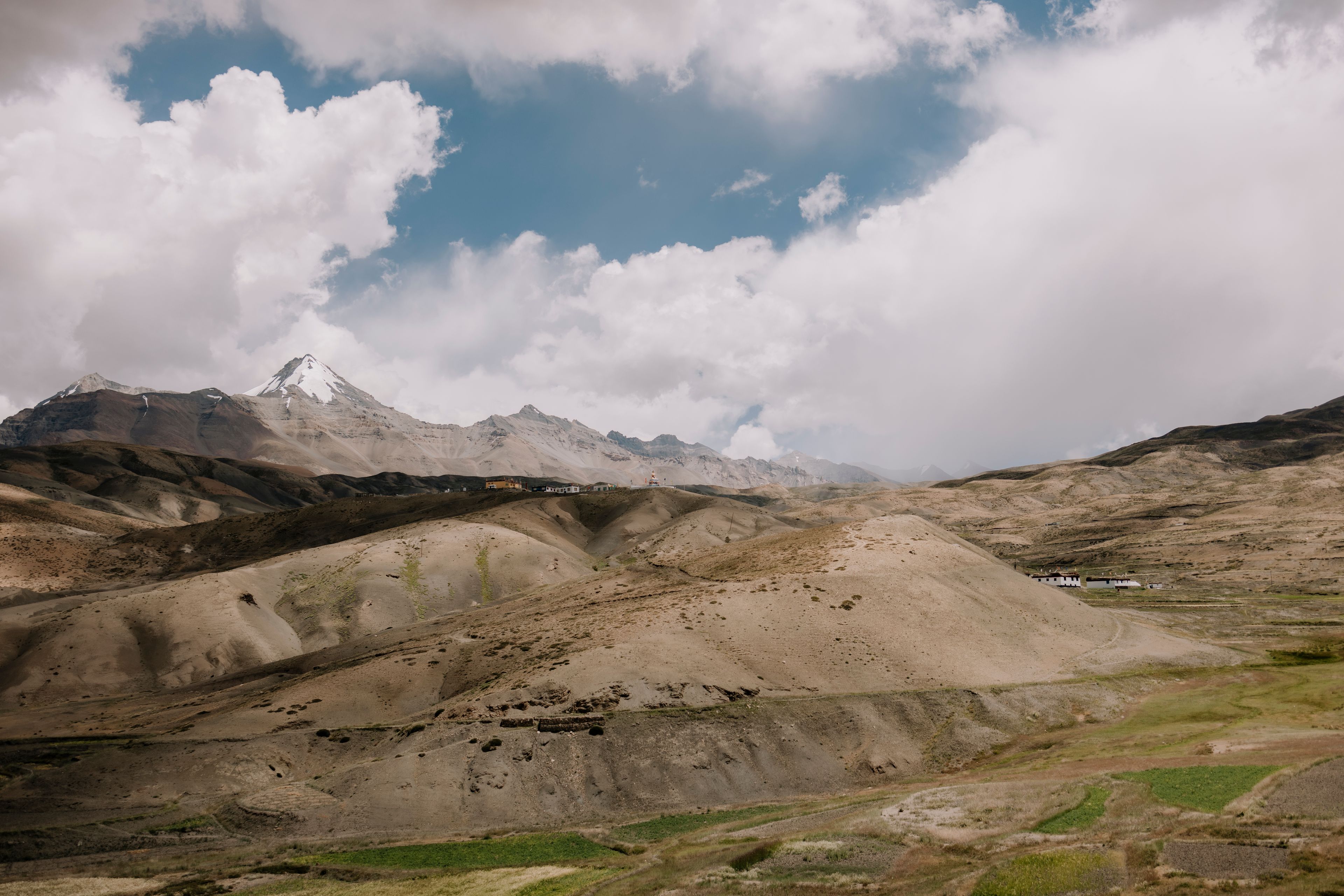
The Pir Panjal and Greater Himalaya ranges block much of the monsoon from reaching Lahaul and Spiti, which is why these areas are cold deserts. This is why Spiti is often visited in July and August, when the rest of the state is rain-hit. But roads into Spiti can still be damaged by monsoon rain on the approach, so conditions need checking.
Sunrise, sunset and daylight
Summer days are long, with light until about 7.30 pm. In winter, sunset arrives around 5.30 pm, and temperatures drop quickly. Plan drives to finish before dark, and expect evenings to be cold and early.
Wind chill and sun
At altitude, wind makes it feel much colder than the thermometer suggests, and the sun's UV is strong. Wear sunscreen, sunglasses and a hat even when it is cold. Snow reflects UV, and snow blindness is a risk for those without eye protection.
What the weather means for activities
| Activity | Best conditions |
|---|---|
| Sightseeing in Shimla and Manali | March to June, September to November |
| Snow play | January and February |
| River rafting | April to June, September |
| Paragliding | March to June, September to November |
| Trekking (Triund, Beas Kund) | April to June, September to October |
| Spiti and the high passes | Mid-June to September |
| Photography | October mornings, winter snow |
What to pack
- Summer (April to June): Light layers, a fleece or jacket for evenings, comfortable shoes and sun protection.
- Monsoon: A waterproof jacket, quick-dry clothes, shoes with grip and bag covers.
- Autumn: Warm layers, a windproof jacket and a cap.
- Winter: Thermals, a heavy jacket, woollen cap, gloves, snow boots and sunglasses.
- All seasons: A power bank, sunscreen, lip balm and any regular medicines.
Weather and safety
Heavy rain and snow can disrupt travel. Landslides, flash floods and avalanches are real risks. Follow weather alerts, avoid riverbeds in the rains, and do not insist on driving if your driver advises against it. Altitude sickness is a risk above 3,000 metres, so ascend gradually.
Seasonal clothing in practice
In summer, cotton and light fleece are enough for most places, but evenings need a jacket. In the monsoon, quick-dry fabrics and waterproof shoes help. In winter, layers beat one heavy coat: thermals, a woollen sweater, a down or padded jacket and waterproof gloves. At altitude, add a windproof shell and sunglasses.
Planning around the weather
Keep a buffer day, particularly in winter and the monsoon. Choose hotels with heating, and check road access. For choosing dates, read the best time to visit Himachal. For a tailored plan, send us your dates.
Practical tips
- Treat figures as typical ranges; altitude changes the weather quickly.
- Pack layers in every season, even in June.
- In winter, carry thermals, a waterproof jacket, gloves and boots with grip.
- Check forecasts for the specific place and altitude, not only the nearest city.
- In the monsoon, check weather alerts before every long drive.