On this page 9 sections
If Baga and Calangute are Goa at full volume, the far north is the opposite. Mandrem, Ashwem, Morjim and Arambol have wide, open beaches, fewer high-rise hotels and a pace that suits yoga, writing, reading and long, slow days. Since Mopa airport opened, the area has become easier to reach, but it has kept its relaxed character.
What each area is like
Morjim sits on the north side of the Chapora river estuary. Its beach is a nesting ground for Olive Ridley turtles in the cooler months, and the shoreline is long and quiet. Cafes and guest houses line the road behind.
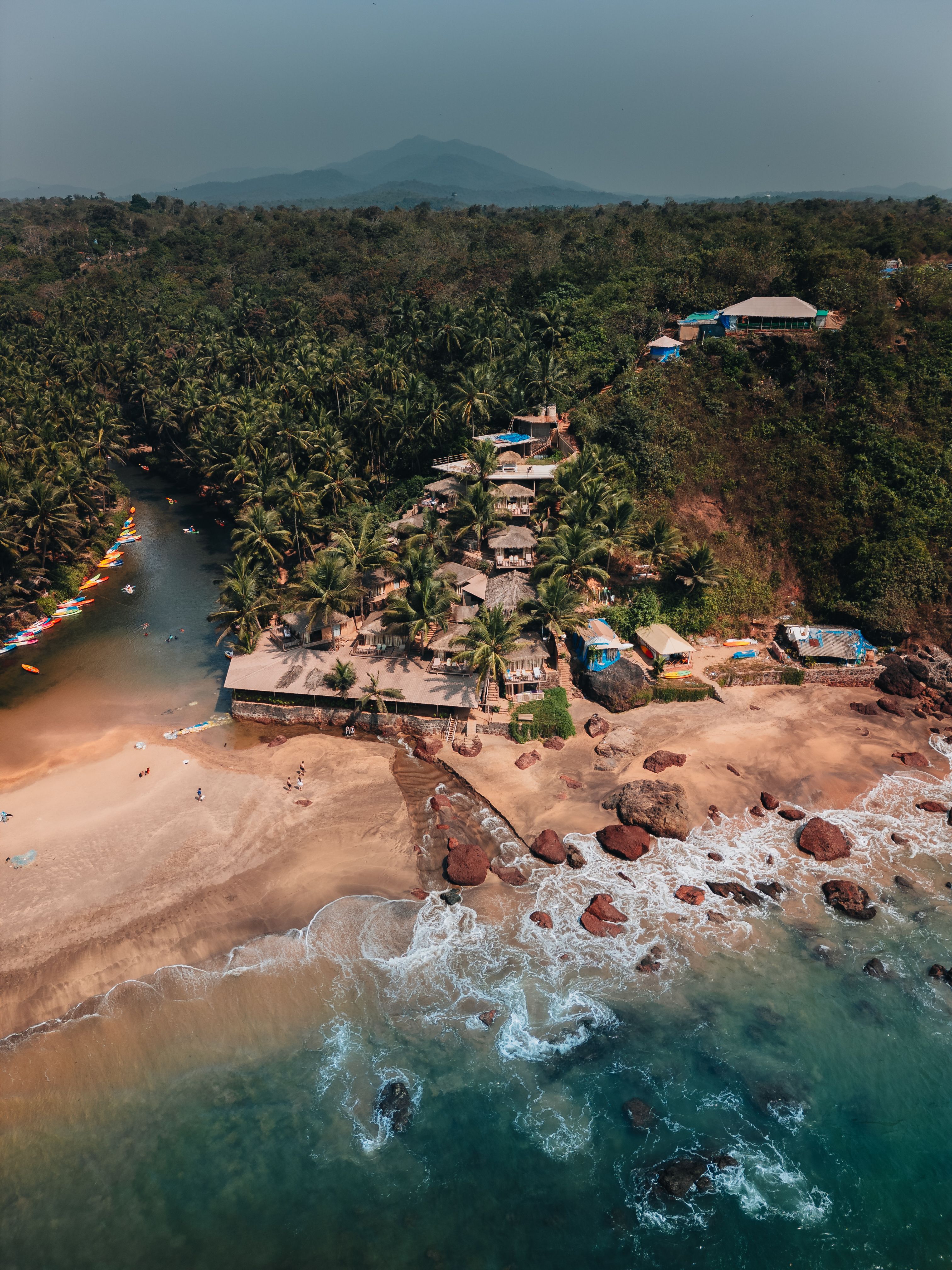
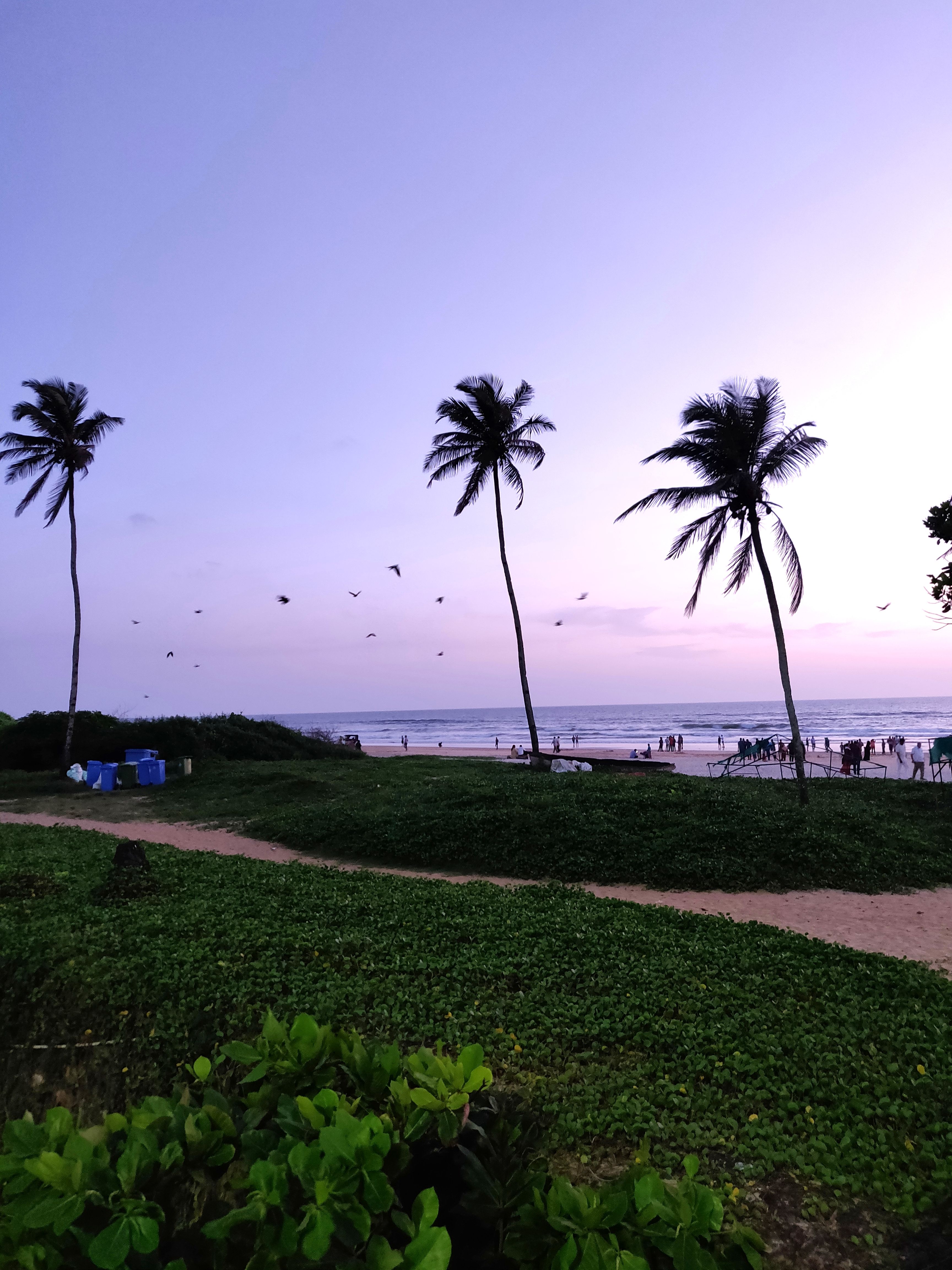
Ashwem and Mandrem are the stretch of wide sand and casual beach cafes that many people associate with yoga retreats. Stays here are mostly small hotels and boutique resorts, set among coconut trees.
Arambol (Harmal) is the northernmost beach town, with a bohemian streak, a sweet-water lake a short walk from the sea, paragliding from the cliff and a busy evening market. It draws backpackers, long-stay travellers and musicians.
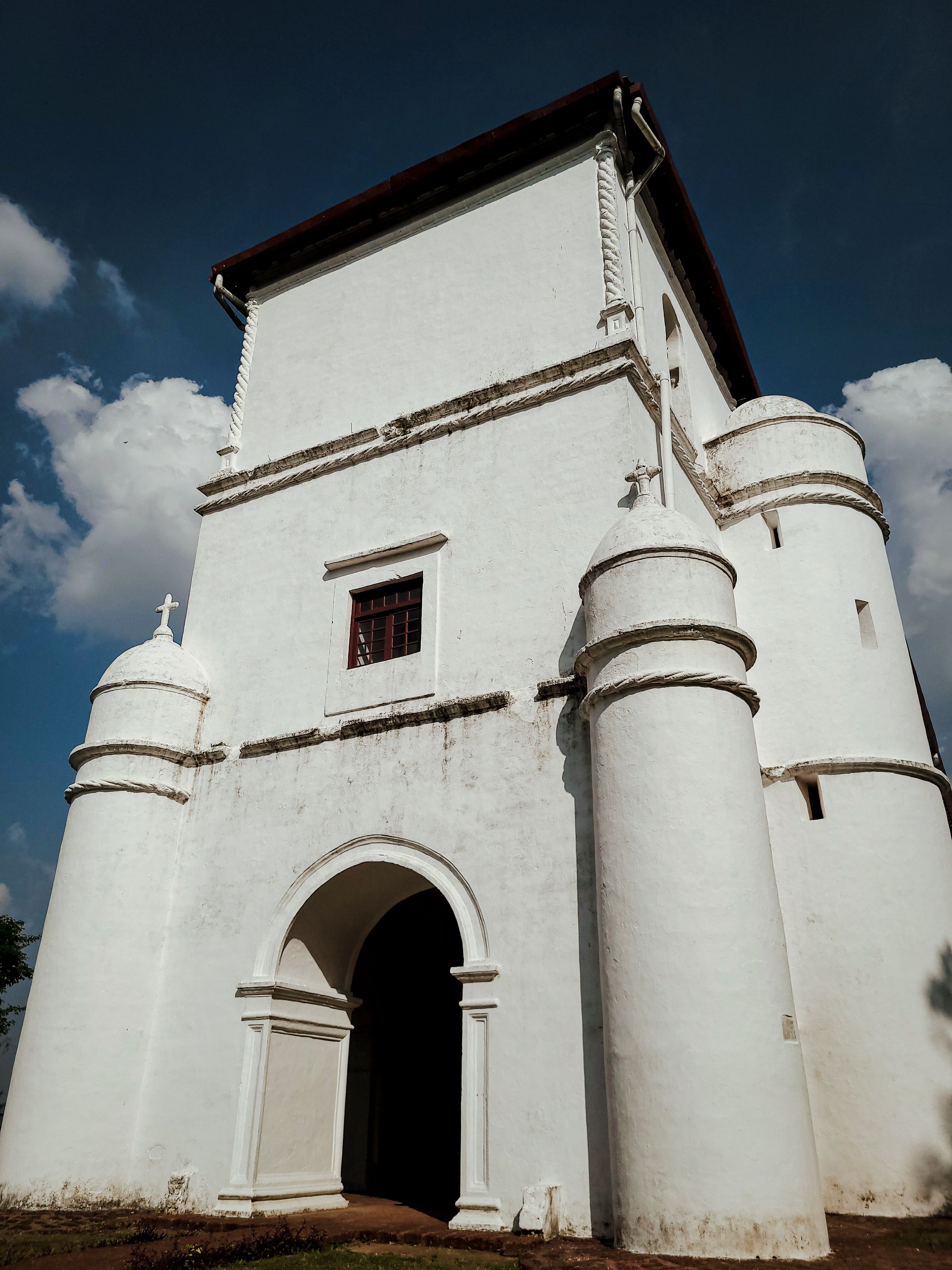
Querim and Tiracol lie at the northern edge, where a small ferry crosses the Terekhol river to Fort Tiracol, now partly a heritage hotel and a chapel on a headland.
What to do
- Walk or run on Mandrem and Ashwem beaches in the early morning, when the sand is almost empty.
- Take a yoga class. Studios and retreat centres offer drop-in and multi-day sessions in season.
- Visit the Arambol sweet-water lake and the cliffs for sunset.
- Try paragliding at Arambol, with licensed operators in the open season.
- Cross the river to Tiracol for the fort, the chapel and the views.
- See the turtles at Morjim, but only through responsible guided walks; never disturb nests.
Where to stay
Boutique hotels, guest houses and villas are the norm. Rooms near the beach are in demand from December to February. Walking distance to the sand can be a key factor, as distances between the beach and the road vary. Long-stay rentals are common here.
Getting there and around
Mopa airport is about 30 to 40 minutes away. Taxis are the main option, and many visitors rent scooters for short rides. The area is spread out, so plan transport in advance.
When to visit
November to February is the main season, and the area is at its liveliest from December. Shoulder months of October and March are quieter. In the monsoon the sea is dangerous and most places close.
A day in the quiet north
Wake early for a walk on Mandrem or Ashwem beach, when the sand is cool and nearly empty. Breakfast at a cafe, then a yoga class or a swim before the sun gets strong. Lunch is a simple fish thali or a salad bowl, followed by an afternoon with a book or a visit to the Arambol sweet-water lake. In the late afternoon, take the short climb to the Arambol cliffs for sunset and a drum circle if the season is on. Dinner at a beachside restaurant, and an early night.
Responsible travel and turtle nesting
Morjim and Agonda are among the nesting beaches for Olive Ridley turtles between roughly November and March. If you see roped-off areas or volunteers, keep your distance, avoid bright lights and torches on the beach at night, and do not touch nests or hatchlings. Do not drive scooters or vehicles on the beach. Choose cafes and stays that follow local guidance, and take your litter away with you.
Is it right for you?
Choose this area if you want calm, space and a slower rhythm. It is less suited to travellers who want shops, big restaurants or an easy nightlife scene. For a mix of activity and quiet, North Goa's Calangute-Candolim belt is a better fit.
Plan with us
This area is a good base for a long stay, a yoga trip or a quiet Goa honeymoon. Share your dates and we will suggest places that suit the pace you want.