Short answer
Rajasthan has hot summers, a short monsoon and a dry, sunny winter. Winters are comfortable by day and cool at night, summers often exceed 40 degrees, and rain is light and mostly falls between July and September.
On this page 12 sections
- Month by month
- The seasons in detail
- Sun and heat safety
- Fog, dust and visibility
- Reading the weather before you go
- The rhythm of a Rajasthan day
- Weather and wildlife
- Dust, wind and visibility
- What the weather means for activities
- What to pack
- Weather and your clothes in the evening
- Planning around the weather
Rajasthan has a dry climate with large swings in temperature through the year and, in the desert, between day and night. Understanding the pattern helps you pack properly and plan your day around the weather. The figures below are typical ranges, not forecasts.
Month by month
| Month | Jaipur (approx.) | Jaisalmer (approx.) | What it feels like |
|---|---|---|---|
| January | 8 to 22 °C | 6 to 22 °C | Cold nights, bright cool days, morning fog |
| February | 11 to 26 °C | 9 to 26 °C | Mild days, cool evenings |
| March | 16 to 33 °C | 15 to 33 °C | Warming, Holi weather |
| April | 22 to 39 °C | 21 to 40 °C | Hot and dry |
| May | 27 to 42 °C | 26 to 43 °C | Very hot, hot winds |
| June | 28 to 40 °C | 28 to 42 °C | Hot, humidity builds |
| July | 26 to 34 °C | 27 to 38 °C | Monsoon showers begin |
| August | 25 to 33 °C | 26 to 36 °C | Humid, some rain |
| September | 24 to 34 °C | 25 to 36 °C | Rains ease, still warm |
| October | 19 to 34 °C | 20 to 36 °C | Dry and warm, evenings cooling |
| November | 13 to 28 °C | 13 to 30 °C | Pleasant, clear skies |
| December | 9 to 23 °C | 8 to 24 °C | Cool, foggy mornings |
Udaipur is generally a few degrees cooler than Jaipur in summer and has a more noticeable monsoon. Jodhpur sits between Jaipur and Jaisalmer in temperature. Mount Abu, the state's only hill station, is cooler throughout the year.
The seasons in detail
Winter (November to February). Days are sunny and pleasant, ideal for sightseeing. Desert nights can be near freezing, and mornings in Jaipur and Delhi can be foggy, which sometimes delays flights and trains.
Summer (March to June). Heat rises quickly in March and peaks in May and June. The afternoon loo, a hot dry wind, makes outdoor exploring risky. Dust storms can appear suddenly, and evenings stay warm.
Monsoon (July to September). Rainfall is far lower in the west than in the east. In Udaipur and the south, monsoon rain is regular, and the hills turn green. Humidity is high, and roads can be slippery.
Sun and heat safety
Even in winter, the sun is strong. In summer, heat exhaustion and heatstroke are real risks.
- Drink water regularly, even when you do not feel thirsty.
- Wear light cotton, a hat and sunglasses.
- Take breaks in shade or air-conditioned spaces.
- Avoid heavy meals at midday.
- Recognise warning signs: dizziness, nausea, headache and confusion.
Fog, dust and visibility
Winter fog in northern Rajasthan can affect flights and road visibility from late December to January. In summer, dust storms limit views and cause delays. Keep a buffer on days with onward flights.
Reading the weather before you go
Look at both the day and night temperatures. A figure of 25 degrees by day may fall to 8 by night in Jaisalmer in January, and your clothing needs to cover both. Check the humidity as well. In the monsoon, a modest temperature can feel heavy and sticky. For wildlife trips, look at the forecast for rain and wind, since both affect sightings. Weather apps for specific cities are more reliable than state-level summaries.
The rhythm of a Rajasthan day
In summer, the day belongs to the early morning and the evening. Locals rest in the afternoon, markets reopen after sunset and dinner is late. In winter, the day starts a little later, markets stay open through the afternoon and the sunset is the highlight. Adjusting your own schedule to this rhythm makes sightseeing far easier.
Weather and wildlife
Tiger sightings at Ranthambore tend to improve in the hotter months, because animals gather near water, but that is also the hardest season for visitors. Winter safaris are cold but comfortable once the sun is up. Bird-watchers should aim for November to February at Bharatpur, when migratory species arrive in large numbers. If wildlife is a priority, mention it early, because it influences the best months for your trip.
Dust, wind and visibility
Dust storms and haze can limit views in summer, and winter fog can reduce visibility on highways in the morning. If you plan to photograph sunrise at a fort, check the forecast and be flexible, because the best light often arrives on clear, crisp days after a cold front.
What the weather means for activities
| Activity | Best conditions |
|---|---|
| Fort sightseeing | November to February, mornings |
| Desert camps | November to February |
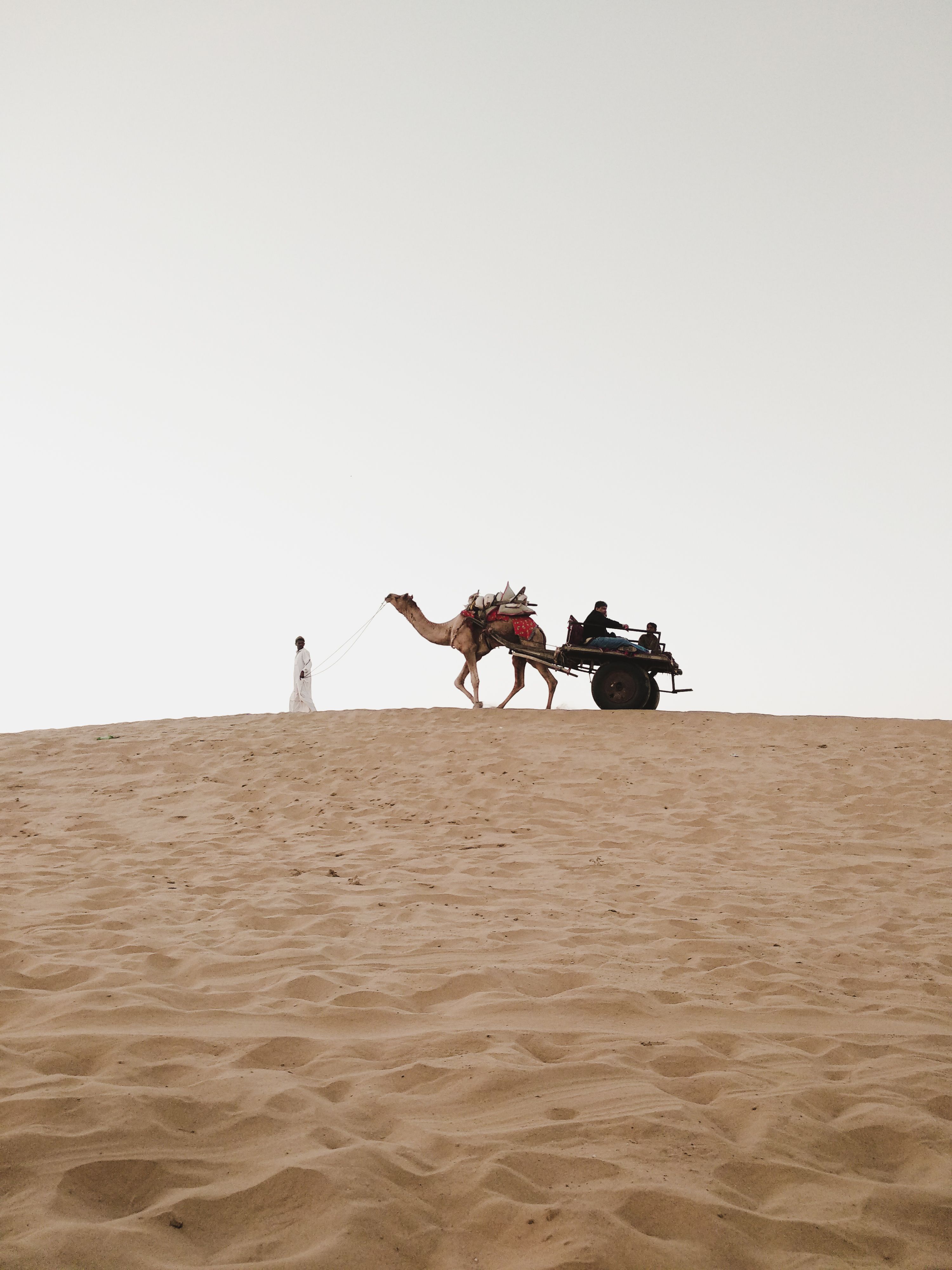
| Camel safaris | Sunset in winter |
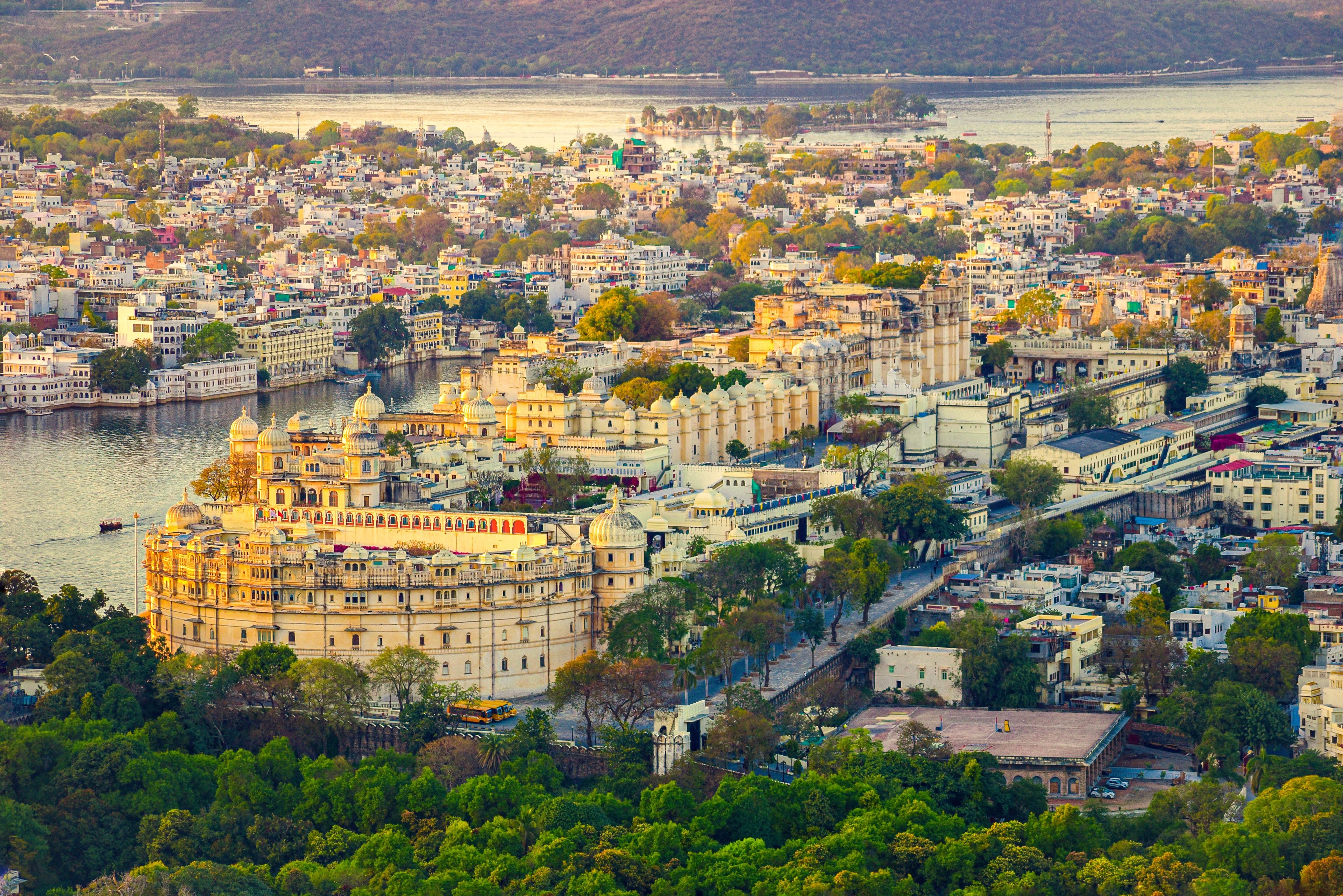
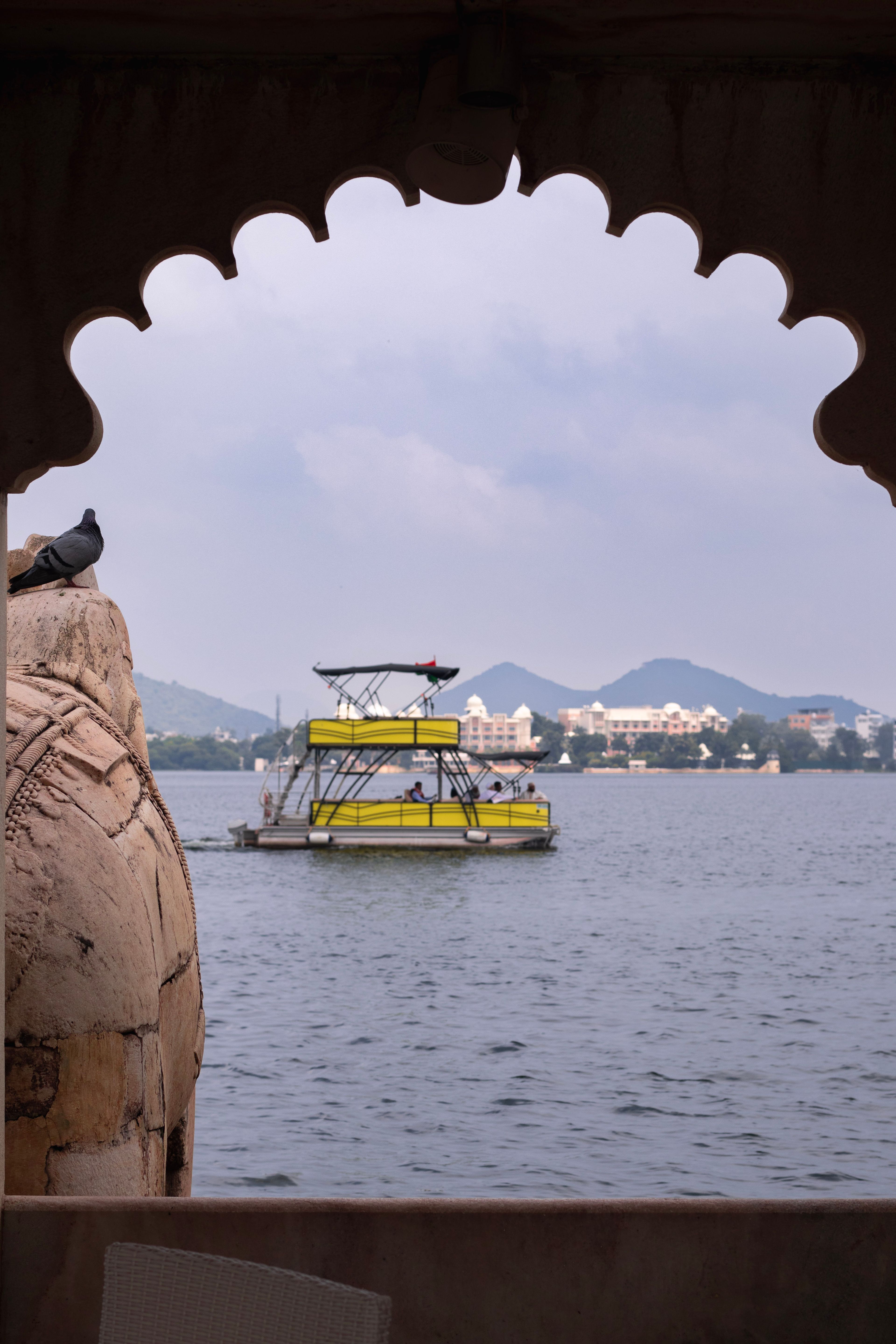
| Lake boat rides in Udaipur | October to March, and the post-monsoon months |
| Tiger safaris | November to April |
| Shopping and bazaar walks | Evenings in any season |
What to pack
- Winter: Warm jackets, thermal wear for desert nights, a scarf and closed shoes.
- Summer: Light cotton, hat, sunscreen, sunglasses and a water bottle.
- Monsoon: Light rain jacket or umbrella, quick-dry clothes and grippy shoes.
- All seasons: Comfortable walking shoes for forts, modest clothing for temples and a small daypack.
Weather and your clothes in the evening
Even in warm months, desert evenings cool quickly after sunset, so carry a light wrap. In winter, thermal inner wear under normal clothes is enough for most cities, but camps and early safaris call for proper jackets, gloves and a cap.
Planning around the weather
If you travel in summer, plan sightseeing before 10 am and after 4 pm, and spend the afternoon at the hotel. In winter, plan to start after the morning chill. In the monsoon, be flexible. For choosing dates, read the best time to visit Rajasthan. For a tailored plan, send us your dates.
Practical tips
- Treat the temperature figures as typical ranges, since real conditions vary by year.
- Pack layers for winter: mornings and desert nights are cold.
- In summer, start sightseeing early and finish by late morning.
- Carry sunscreen, a hat, sunglasses and water in all seasons.
- Check forecasts for heat advisories or dust storms before long road drives.