On this page 11 sections
Kochi is where most trips to Kerala begin, and it deserves more than a night. For five centuries the port has been a meeting place of traders from Arabia, China, Portugal, the Netherlands and Britain, and the layers are visible on a short walk through Fort Kochi: a Portuguese church, a Dutch palace, a Jewish synagogue, a Chinese fishing net and a row of colonial bungalows turned into cafes and boutique hotels. It is also a gateway, with an international airport 35 km away, rail and metro links and roads to Munnar, Thekkady and Alleppey.
What Kochi is like
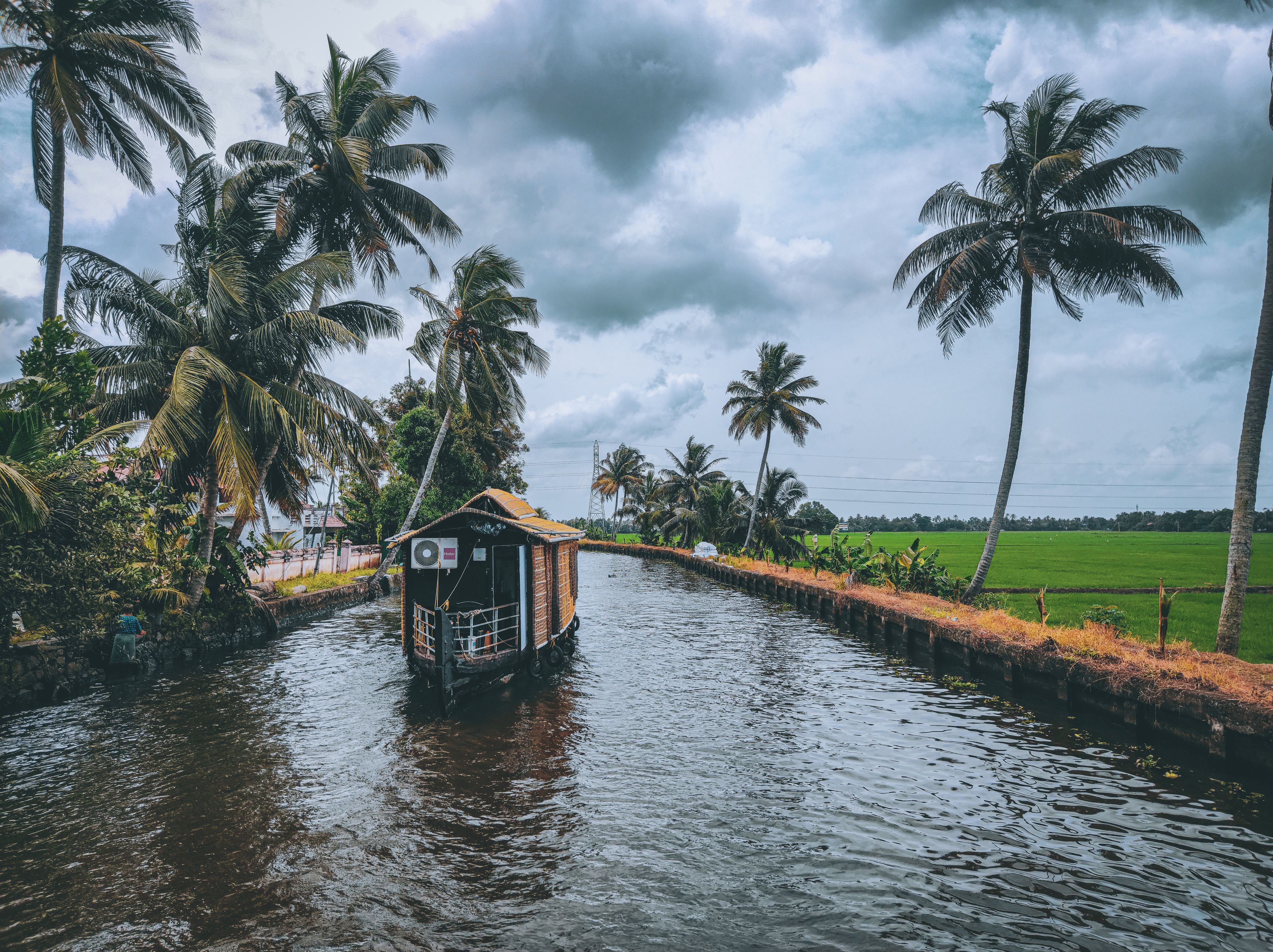
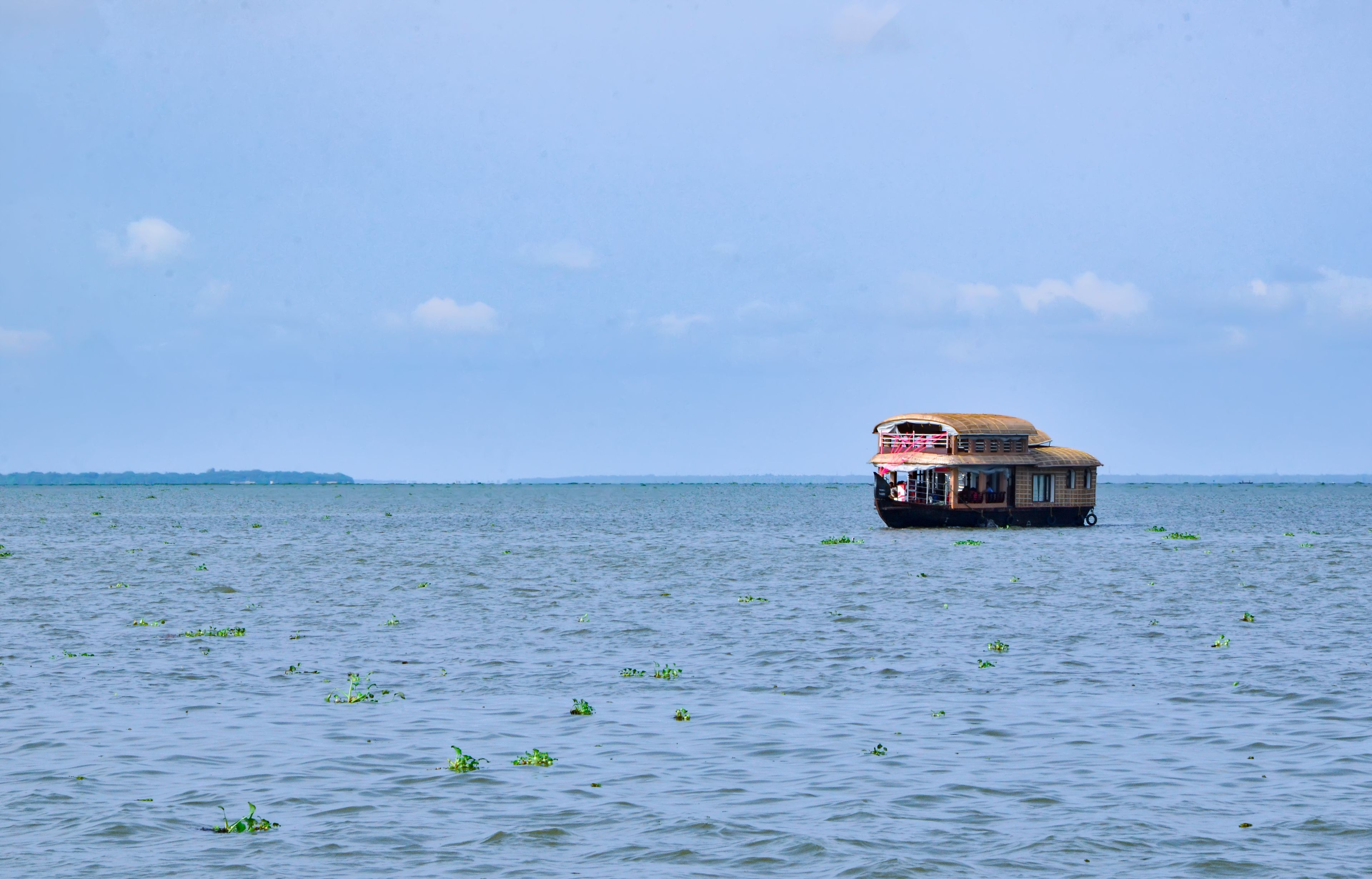
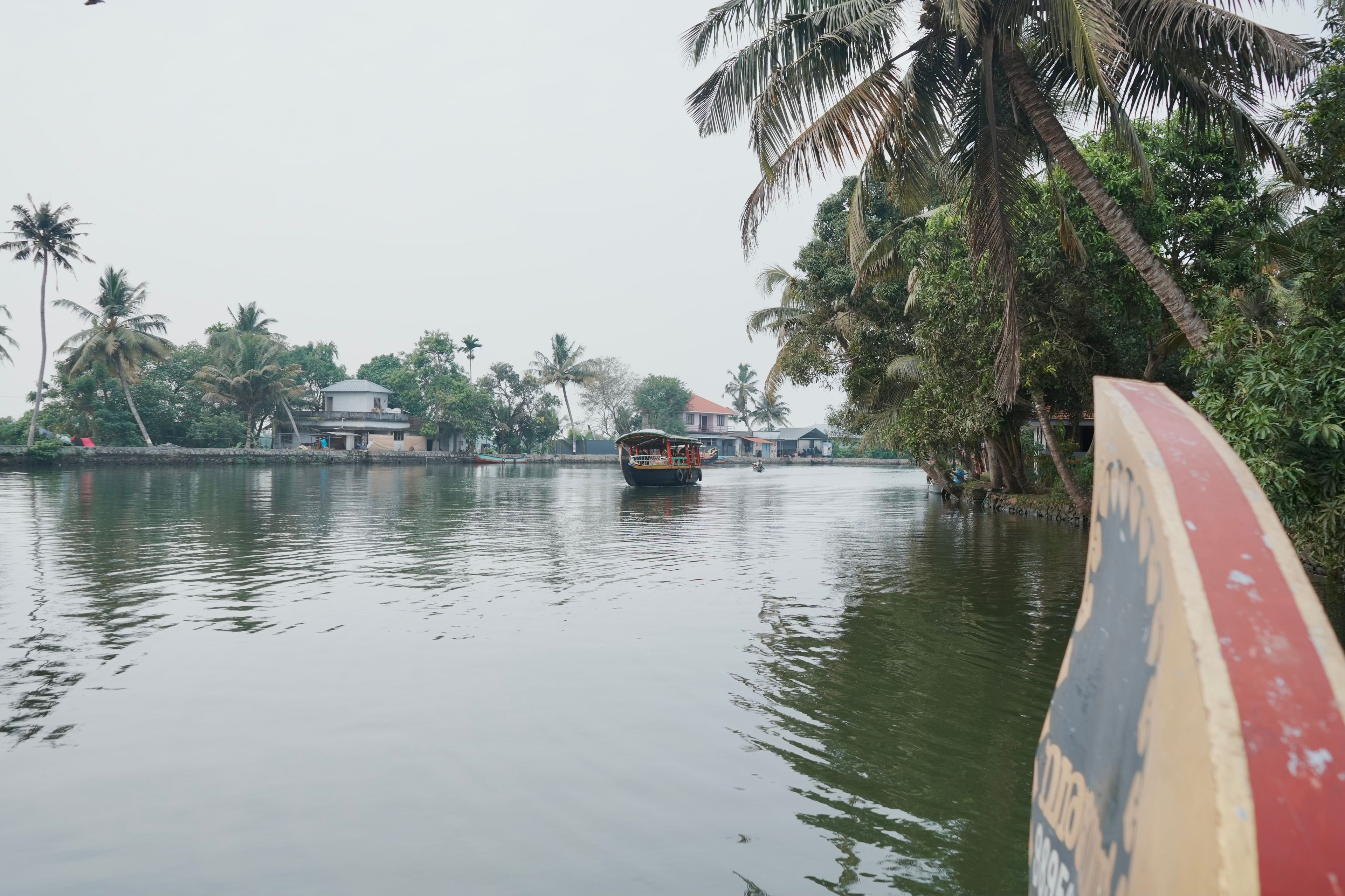
Kochi is a cluster of areas rather than a single centre. Fort Kochi and Mattancherry are the old, low-rise heritage quarter on a peninsula, atmospheric and walkable. Ernakulam is the modern mainland city, with the railway station, markets, malls and the metro. Bolgatty and Willingdon Island hold hotels and the port. Ferries and the new Kochi Water Metro link them across the backwaters, which makes moving around part of the experience.
What to see in Fort Kochi
Fort Kochi is the heart of the heritage zone. The Chinese fishing nets at the waterfront are the signature image, and the nearby lanes hold the Santa Cruz Basilica, St Francis Church (one of the oldest European churches in India), the Dutch Cemetery and the Indo-Portuguese Museum. In Mattancherry, the Dutch Palace has murals of Hindu epics, and in Jew Town the Paradesi Synagogue, built in 1568, sits among antique shops and spice warehouses. Evenings in Fort Kochi are for cafes, small galleries and, in alternate years, the Kochi-Muziris Biennale, which fills old warehouses with contemporary art.
Kathakali and Kerala arts
Short Kathakali demonstrations, including a look at the makeup, are staged in the evenings at cultural centres. They are a good introduction to Kerala's performing arts, though full performances run for hours. Martial arts displays of kalaripayattu are also offered. Choose centres that have a good reputation and begin with the make-up session.
Day trips from Kochi
- Athirappilly Waterfalls, about 70 km away, a wide waterfall in a forest setting, best in and after the monsoon.
- Cherai Beach, a quiet beach about an hour from Fort Kochi.
- Kumarakom and Alleppey, 55 to 70 km south, for the backwaters.
- Thrissur, about 80 km north, for the Vadakkunnathan Temple and the spring Pooram festival.
How many days
One night is the minimum, and two nights lets you see Fort Kochi, Mattancherry and an evening performance at a relaxed pace. Many travellers use Kochi as the first and last stop of a Kerala circuit, which makes it a good place to rest.
Where to stay
Fort Kochi has heritage homes and boutique hotels, many in restored Dutch and Portuguese buildings, and is the best choice for atmosphere. Ernakulam suits business travellers and those who need the station or an early flight. Bolgatty offers a resort feel near the water. Book early from December to February.
Food
Kochi's food reflects its mixed history: Syrian Christian dishes with coconut and pepper, Mappila seafood, Jewish-influenced baking, Chinese and Portuguese touches. Fresh seafood from the fishing nets is a draw, with prawns, crab and fish fried or curried to your choice. Vegetarians will find appam with vegetable stew, thalis and sadya at traditional restaurants. See our Kerala food guide.
Getting around
Auto-rickshaws and app cabs work in the city. The Kochi Metro serves Ernakulam, and the Water Metro links islands to the mainland. Ferries from Ernakulam to Fort Kochi are cheap and scenic. Walking is the best way to see Fort Kochi, but it can be hot and humid.
A suggested day in Fort Kochi
Start early with the Chinese fishing nets, when the fishermen are at work, then walk through the lanes to St Francis Church and Santa Cruz Basilica. Have a late breakfast at a cafe, then take a short ride to Mattancherry Palace and Jew Town before the heat of midday. After a long lunch and a rest, return for the Dutch Cemetery, a stroll along the waterfront at sunset and a Kathakali demonstration or a seafood dinner.
Best time
December to February is the most comfortable. The monsoon brings heavy showers, but the city remains accessible and is lush. March to May is hot and humid.
Plan Kochi with us
Kochi is the start of our Classic Kerala tour and appears in the 5-day and 7-day itineraries. Tell us your dates and we will suggest how long to stay.