On this page 10 sections
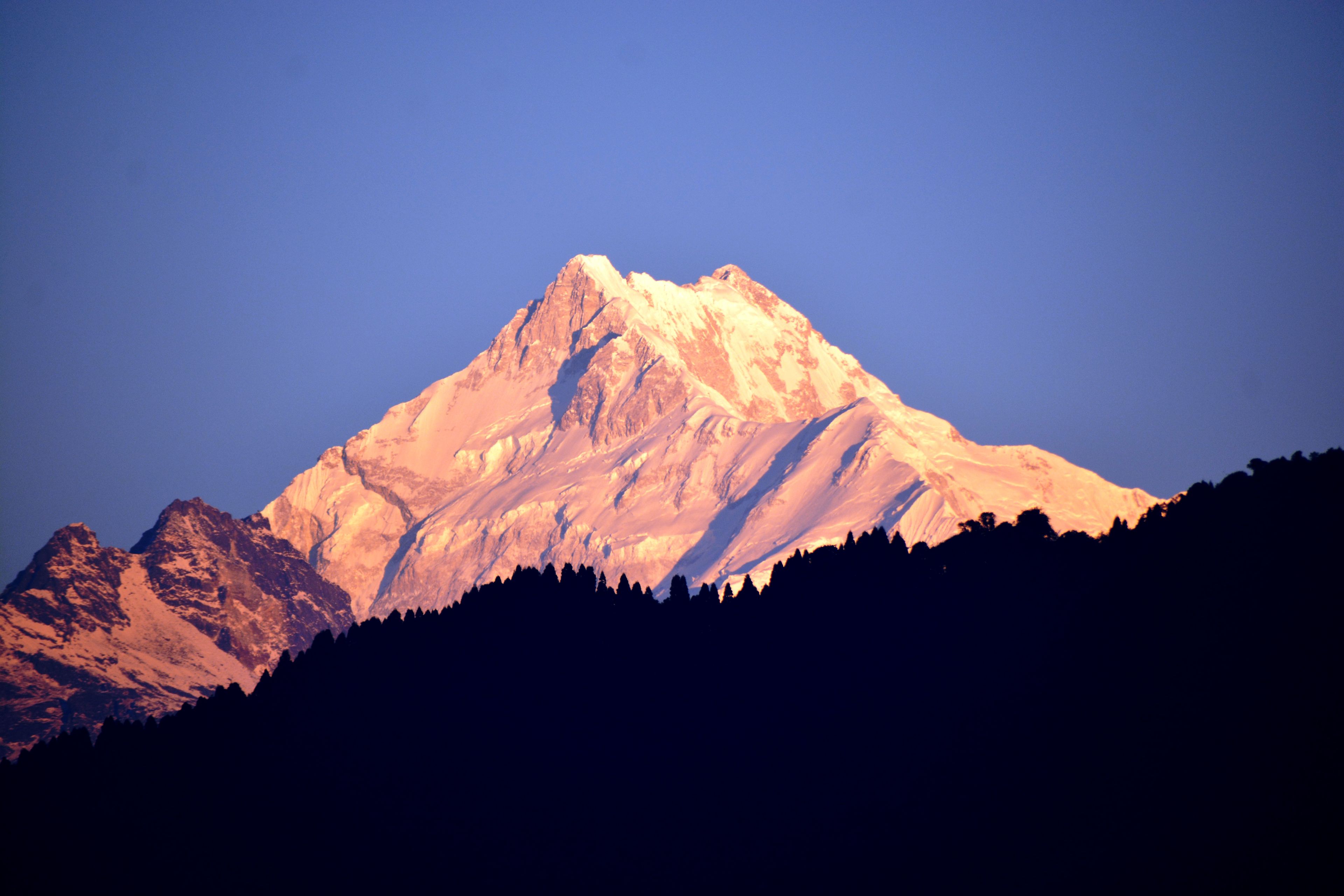
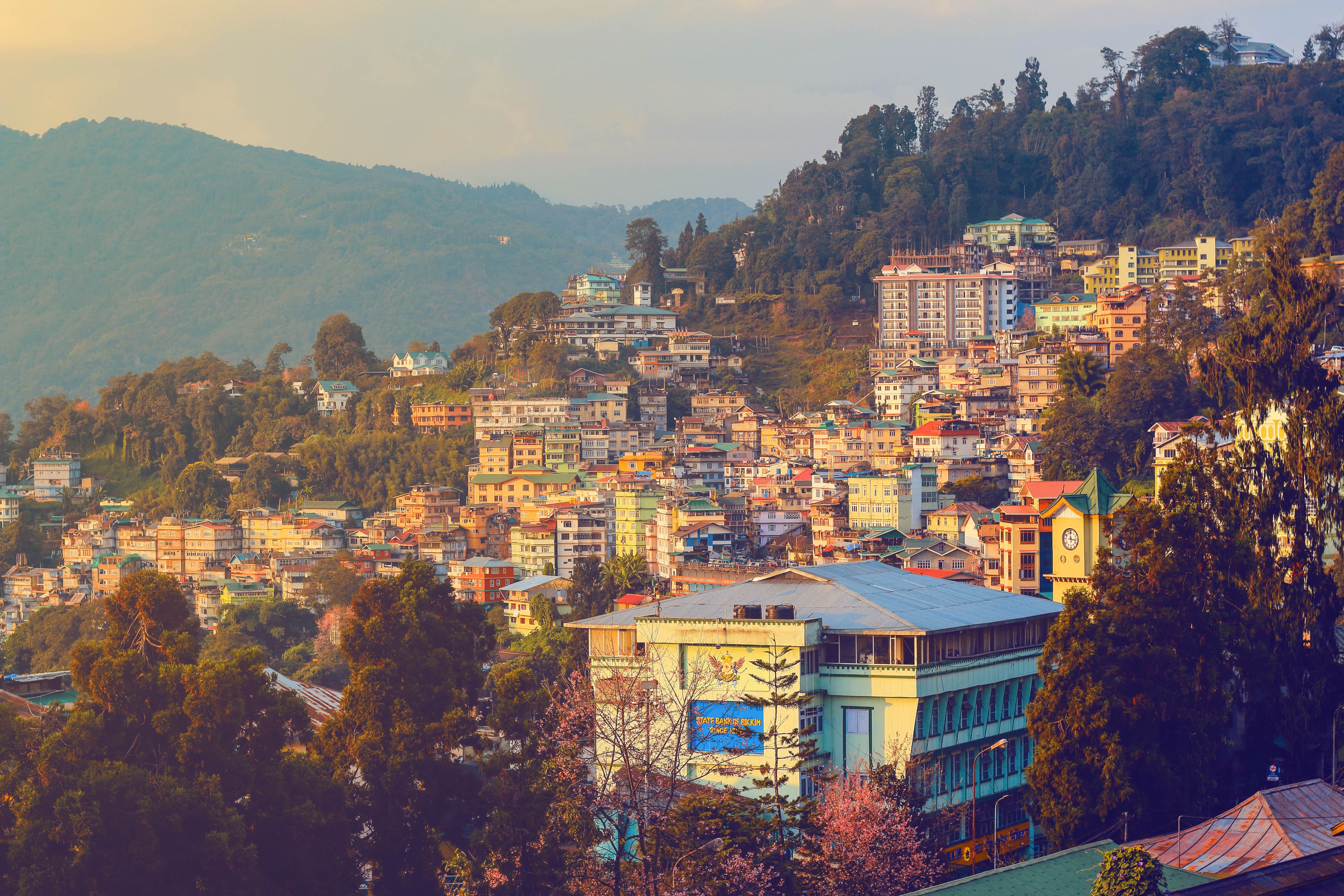
Darjeeling spreads along a ridge at about 2,000 metres in the eastern Himalaya, looking north towards Kanchenjunga. It grew from a British hill station in the nineteenth century into a town of tea, schools, churches, monasteries and a narrow-gauge railway. Today it is crowded, slightly worn and unmistakably atmospheric, especially in the early morning, when mist lifts from the valleys and the peaks emerge.
What Darjeeling is like
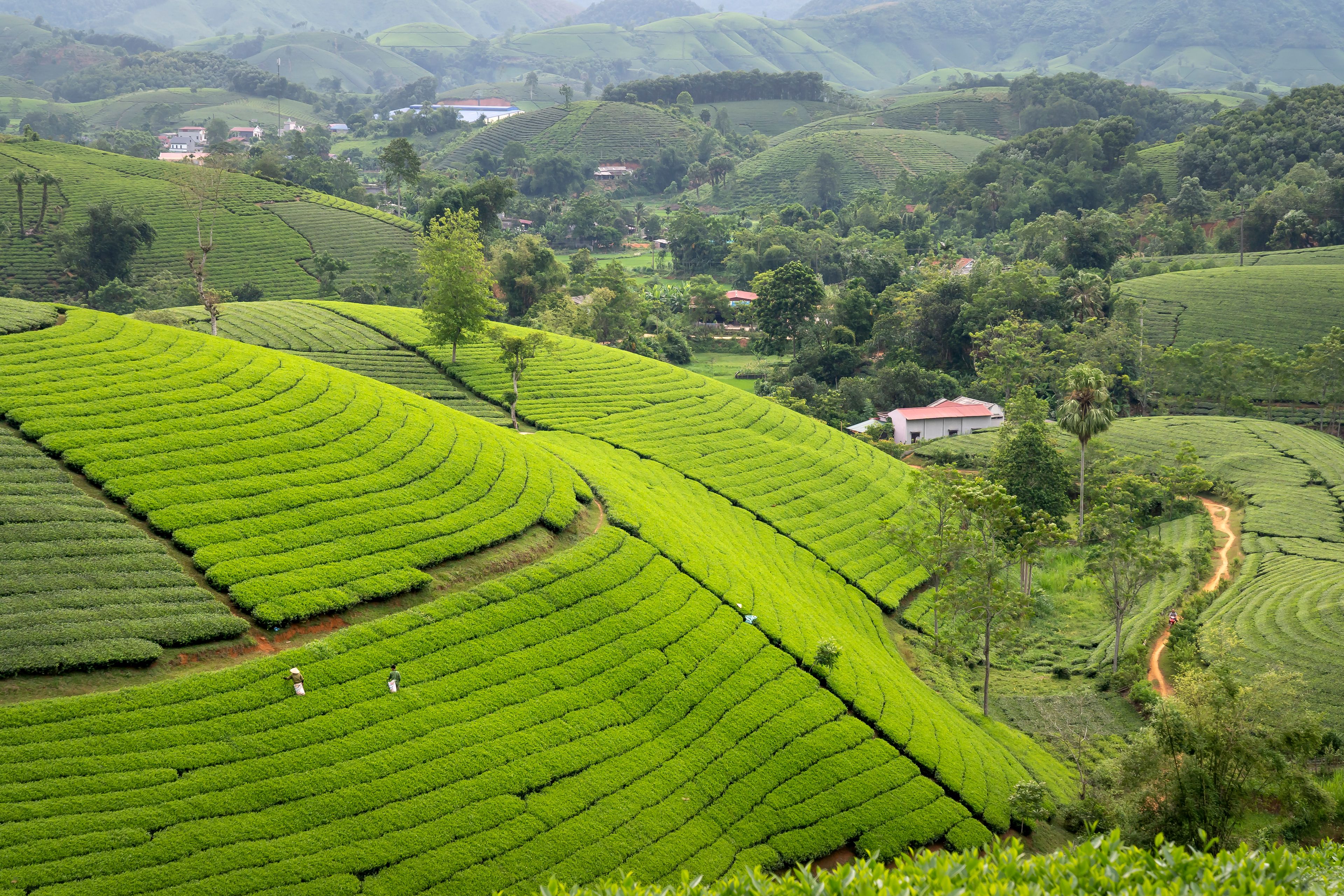
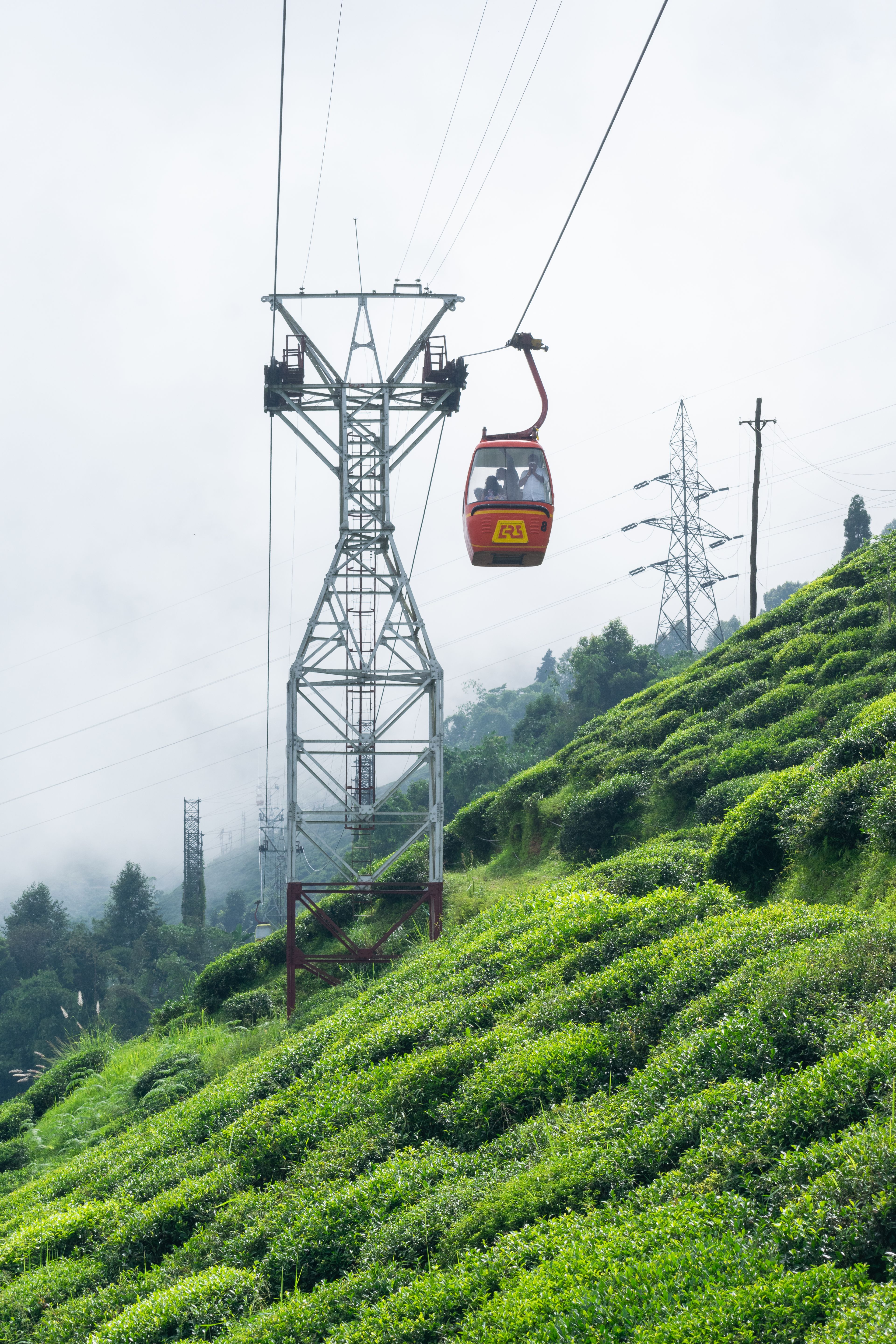
The town climbs steeply, with lanes and staircases linking levels. Chowrasta, an open square at the centre, is the meeting point, with Observatory Hill above it and the Mall Road around it. Shops sell tea, woollens, thangka paintings and handicrafts. Cafes and old bakeries line the streets. Traffic is heavy, the pavement is narrow, and hotels cling to the slope. Away from the centre, tea estates cover the surrounding hills in green terraces.
What to do
- Sunrise at Tiger Hill, an early start for light on Kanchenjunga, when the weather allows.
- The Darjeeling Himalayan Railway, a heritage narrow-gauge railway with short joyrides to Ghum and the Batasia Loop.
- Tea estates, for a walk, a factory visit and a tasting.
- Ghum Monastery and the Peace Pagoda, for Buddhist heritage and quiet views.
- Himalayan Mountaineering Institute and the zoo, founded after the first ascent of Everest in 1953, with a museum and the red panda enclosure.
- Observatory Hill and Mahakal Temple, a shared sacred site above the Mall, with monkeys.
- Happy Valley and the Rock Garden, for walks and waterfalls on the outskirts.
- Chowrasta and the Mall, for food, shopping and people-watching.
How many days
Two nights are the minimum for sunrise, the Toy Train and a tea estate. Three nights allow a slower pace and a day trip to Kalimpong or Lamahatta. Darjeeling pairs with Gangtok in our Darjeeling and Gangtok classic tour and with Kalimpong in our family holiday.
Where to stay
- Heritage hotels: old colonial buildings with character, fireplaces and, sometimes, limited modern facilities.
- Hotels near Chowrasta: convenient, but noisy, and crowded in season.
- Hotels on the ridge or in the tea estates: quieter, with views, and a drive from the centre.
- Homestays: a chance to meet local families and eat home-cooked food.
Ask about heating in winter, the view and the distance from the main road. Book early for October, November, the Puja holidays and May to June.
Weather and the views
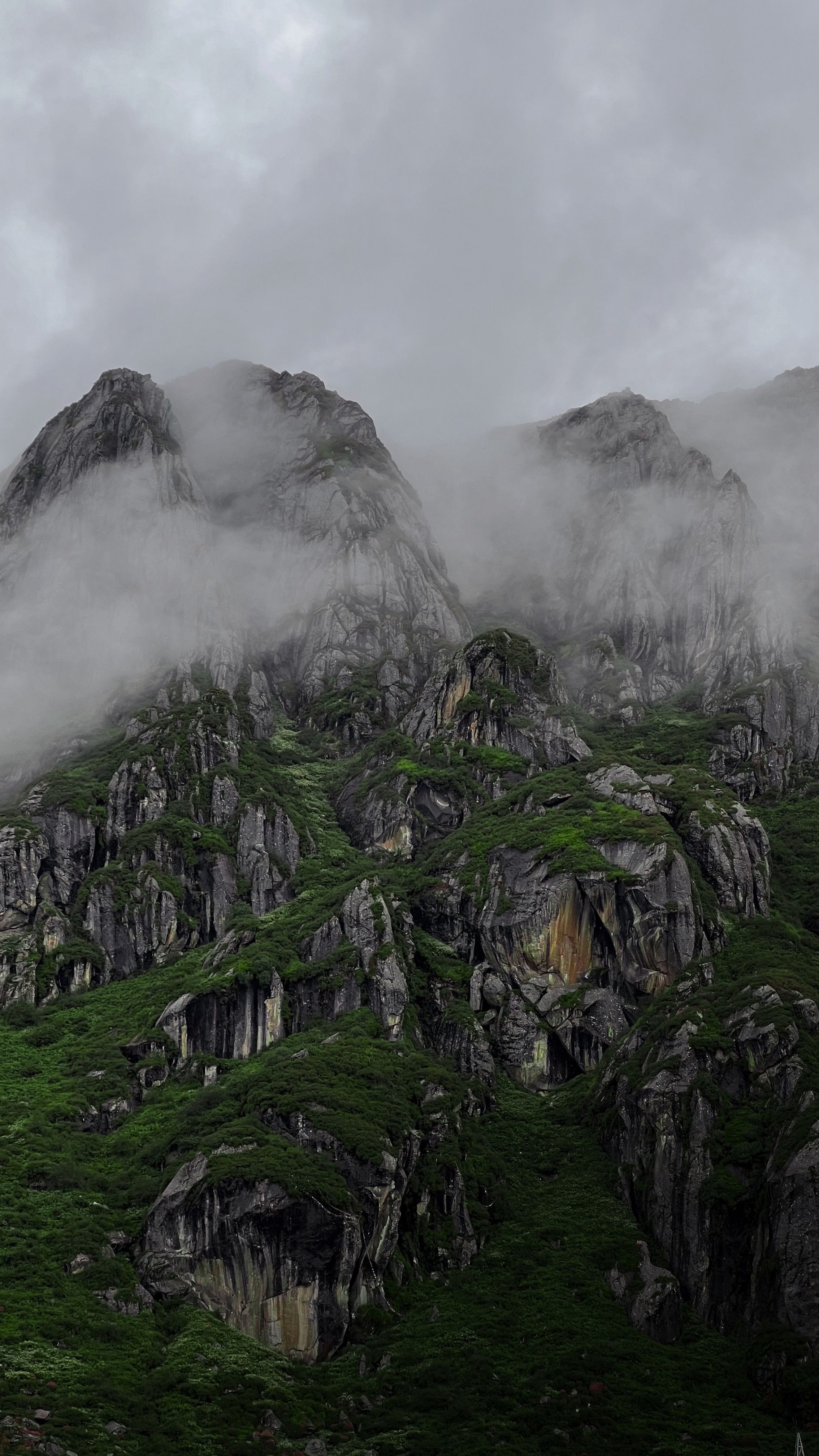
Mornings are cool and often misty, with a chance of clear views from October to early December and in March and April. The monsoon, from June to September, is wet and foggy, with landslide risk. Winters are cold, with frost and occasional light snow. No month guarantees a clear peak. Keep two mornings free for viewpoints, and see the weather guide.
Food
Darjeeling is known for tea, momos, thukpa, thenthuk, sel roti, churpi cheese and old-fashioned bakeries. Try a first-flush tea tasting in spring, a plate of steamed momos with chilli sauce and a slice of cake in a Mall Road cafe. Vegetarians eat well, and the town has Tibetan, Nepali, North Indian and continental restaurants.
Getting there and around
Bagdogra airport is about 90 km away and New Jalpaiguri station about 85 km, a three- to four-hour drive. The Toy Train runs between New Jalpaiguri and Darjeeling in some periods, though schedules change. Within town, you walk, take shared jeeps and taxis. The ridge is steep, so good shoes help. Roads can slip in the rain.
Local situation
Darjeeling has seen political strikes (bandhs) in the past that disrupted tourism. We check the local situation close to your dates and tell you plainly if anything affects your plans.
Responsible travel
Use a reusable bottle, avoid plastic, and respect monasteries and residents. Buy tea from reputable shops, and ask about authenticity. Support small homestays and local guides.
Plan Darjeeling with us
We choose the right hotel, the right season and the right morning for the view. Send us your dates for a tailored plan.