Short answer
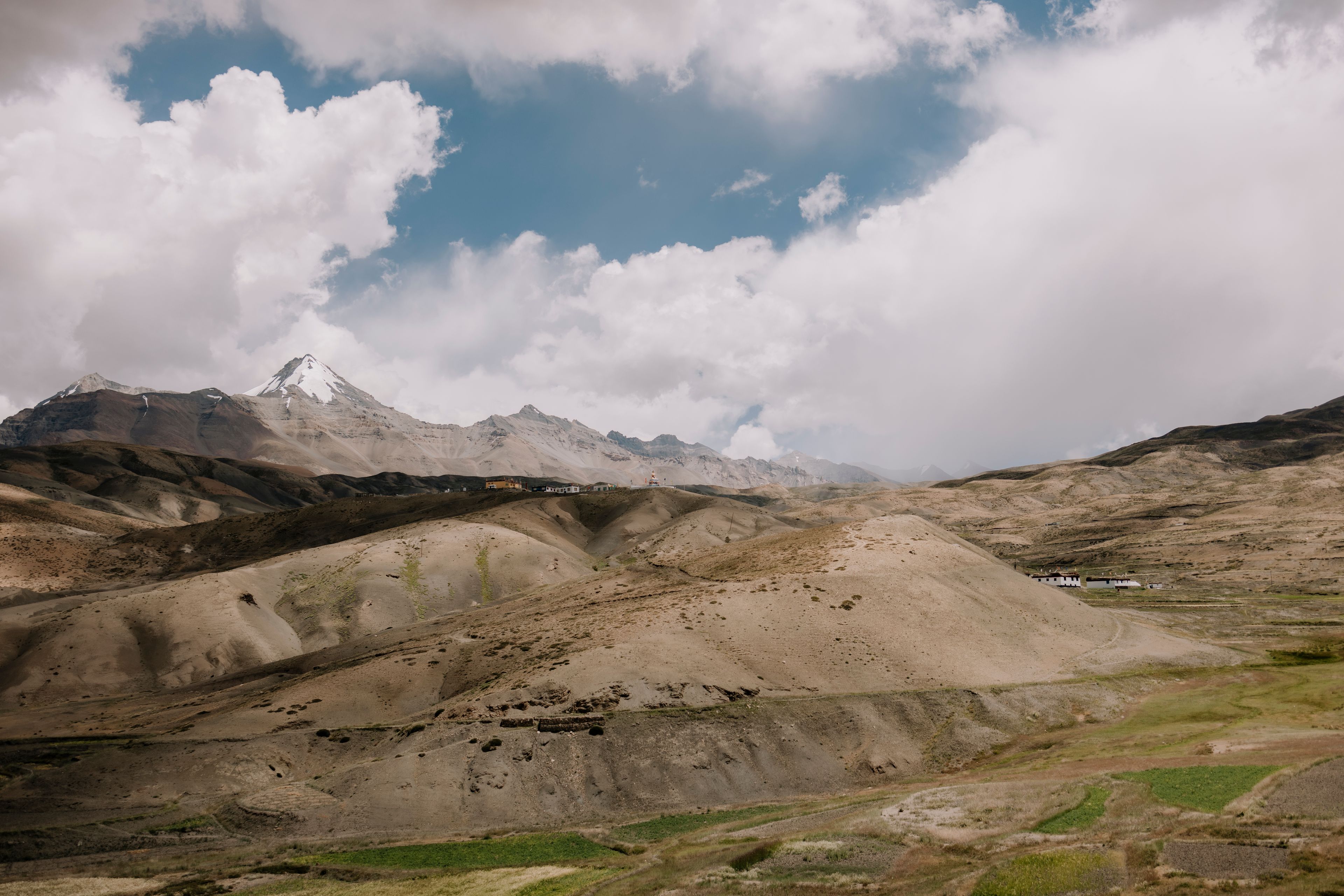
March to June and September to November are the best months for most of Himachal, with pleasant weather and open roads. December to February is the snow season. July and August are the monsoon, with landslide risk. Spiti and the high passes are accessible mainly from mid-June to October.
On this page 11 sections
Himachal Pradesh is a mountain state, so the season shapes everything: what you can see, which roads are open, how crowded the hill stations are and even whether a trip is a good idea. The state has a pleasant spring, a busy summer, a clear autumn, a cold winter and a risky monsoon. This guide takes each period in turn and ends with a simple way to choose.
Spring: March to May
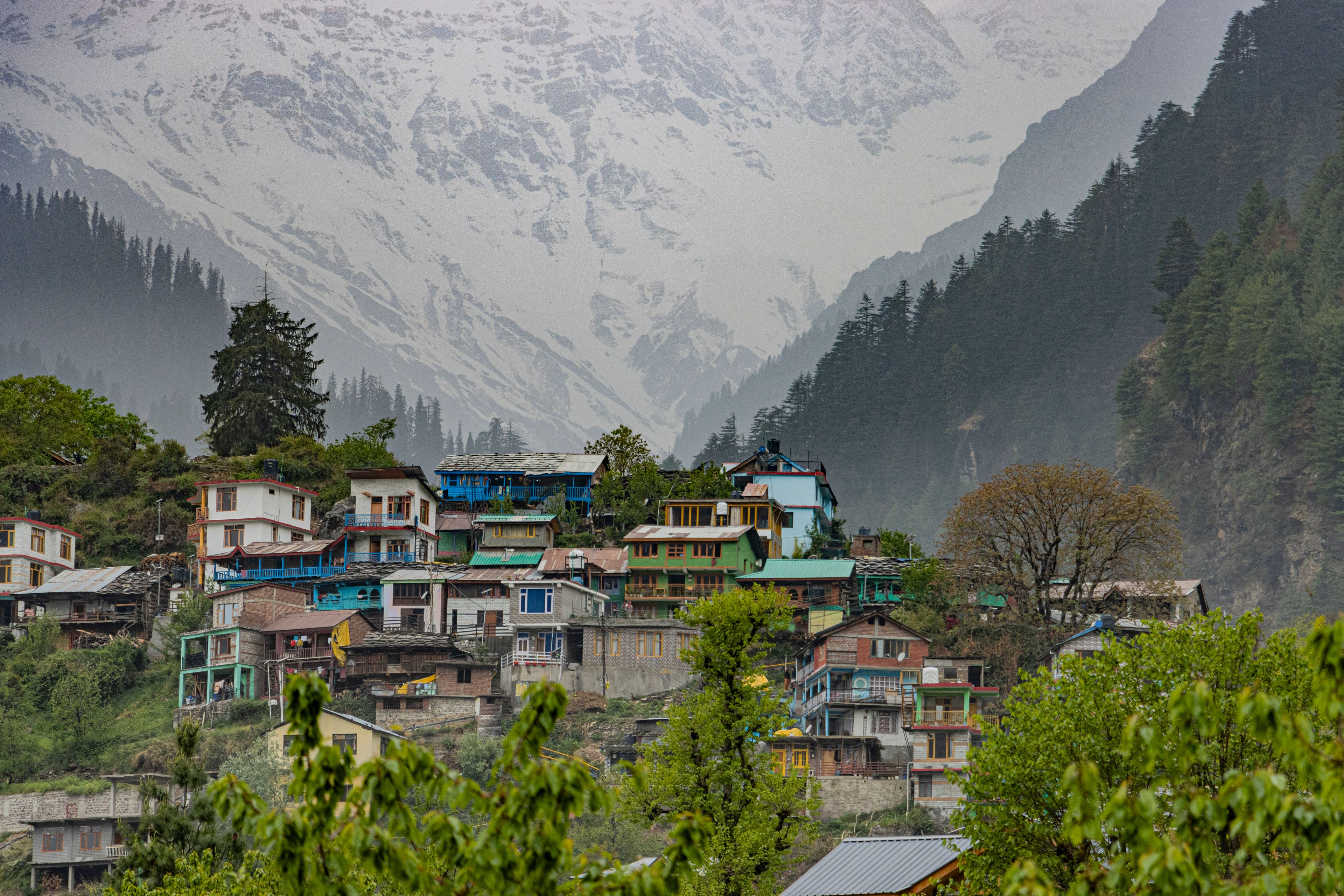
Spring is when the hills come to life. Rhododendrons bloom in March and April, apple orchards flower in April, and the air is clear. Days are pleasant, with temperatures from the mid-teens to the mid-twenties in Shimla and Manali, and the nights are cool. Snow remains at higher altitudes, which makes for dramatic scenery. By May, school holidays begin and the hill stations fill up. Rohtang Pass usually opens around mid-May if snow clearance goes well.
Good for: sightseeing, honeymoons, families, photography, blossom. Watch for: crowds and high rates from late April, unpredictable showers and traffic jams on the approach roads.
Summer: June
June is the peak of the tourist season. The plains are scorching, and the hills are comfortable, so families and groups pour in. The high roads are open, including Rohtang and, towards the end of the month, the passes towards Spiti. The monsoon arrives in the last days of June, so the first weeks are often the best.
Good for: families, adventure, high passes, Spiti from mid-June. Watch for: hotel rates, queues, parking problems and the first monsoon rain.
Monsoon: July to mid-September
Heavy rain hits Himachal in July and August. Landslides, flash floods and road closures are common, particularly on the Chandigarh to Manali highway, in Kullu, Mandi and Kangra and on the roads to Lahaul. Recent monsoons have caused serious damage and loss of life. The scenery is lush, and prices fall sharply, but the risks are real.
Good for: experienced travellers with flexible plans, Spiti and Ladakh-side valleys (which are in the rain shadow), budget stays. Watch for: closures, delays, damaged roads and weather alerts. We usually recommend avoiding Manali and Shimla in July and August, or shortening the trip and keeping buffer days.
Autumn: September to November
As the rains retreat, the sky clears and the mountains stand out. September and October are among the best months in the hills, with fewer tourists, golden light, apple harvests and the Kullu Dussehra festival in October. Nights turn cold in November, and the first snow can fall on the high passes. High roads such as Kunzum begin to close in October.
Good for: photography, quiet travel, trekking, apple orchards, Spiti in September. Watch for: colder nights from late October and early closure of high passes.
Winter: December to February
The state turns white. Kufri, Narkanda, Manali, Solang and Dalhousie see regular snow, and Shimla gets it in many years. Skiing and snow play are possible. Temperatures drop below freezing at night, and roads can be icy. Christmas and New Year are peak weeks, with high prices. Rohtang, Kunzum and the Manali-Leh road are closed, but the Atal Tunnel keeps Lahaul accessible.
Good for: snow, winter honeymoons, cosy stays. Watch for: icy roads, delays, high rates at weekends and the need for heating and warm clothes.
Festivals and events
- February to March: Winter sports at Solang and Narkanda.
- April: Baisakhi and spring fairs.
- May: The Dungri Fair at Hadimba Temple, Manali.
- June: The Minjar fair in Chamba, in July or August.
- October: Kullu Dussehra, a large week-long festival.
- December to January: Christmas and New Year celebrations in Shimla and Manali.
Month-by-month snapshot
- January: Snow in Manali, Solang and Kufri; very cold nights.
- February: Snow continues; winter sports; fewer crowds after January.
- March: Blossom begins; cool days; some snow lingers.
- April: Spring colours; pleasant weather; crowds start building.
- May: Peak season; warm days; Rohtang usually opens.
- June: Busiest month; high roads open; monsoon arrives late.
- July and August: Monsoon; landslides; low prices; risk.
- September: Clearing skies; fewer people; excellent for Spiti.
- October: Golden light; Kullu Dussehra; cold nights begin.
- November: Cold; early snow on passes; quiet.
- December: Winter begins; Christmas crowds; snow possible.
A simple comparison
| Priority | Best months |
|---|---|
| Pleasant sightseeing | March to June, September to November |
| Snow | January and February |
| Blossom | March to April |
| Adventure and rafting | April to June, September |
| Spiti and the high passes | Mid-June to October |
| Fewer crowds | Early March, September to early November |
| Lowest prices | July and August (with risk) |
Crowds and prices
Peak weeks are May to mid-June, Christmas to New Year and winter weekends with fresh snow. Hotels in Manali and Shimla can be several times more expensive then than in shoulder months. September and October, and March, give the best balance of weather and value. If your dates are fixed by school holidays, book early.
Matching the season to your group
Families with school-age children usually travel in May and June. Couples often choose winter or October. Senior travellers do best in spring and autumn, when it is mild. Adventure groups like June and September. Photographers favour October and winter mornings.
How to decide
- Choose what matters most: snow, blossom, adventure or quiet.
- Check your fixed dates, such as holidays.
- Think about who is travelling and how they feel about cold and winding roads.
- Decide how flexible you can be.
See Himachal weather month by month for temperatures and packing, or look at our Himachal tour packages. You can send us your dates for a tailored plan.
Practical tips
- Book hotels two to three months ahead for April to June, and for Christmas and New Year.
- For snow, aim for January and February, and keep a buffer day.
- In July and August, avoid tight schedules and high valleys, and follow weather alerts.
- Plan Spiti and Rohtang for the summer window, roughly mid-June to October.
- Pack layers in every season; temperatures change quickly with altitude.