Destination guide
Plan your time in Goa
On this page 14 sections
- Goa at a glance
- North Goa or South Goa: how to choose
- The places in this guide
- When to go
- How many days to give Goa
- Beyond the beach
- Where to stay
- Getting around
- Safety, rules and respect
- Goa for different kinds of traveller
- Culture, language and local etiquette
- What most Goa itineraries get wrong
- Costs to expect
- How we plan Goa trips
Goa is easier to enjoy when you understand how it is laid out. Many first-time visitors arrive expecting one long party beach and are surprised by quiet palm-lined bays in the south, Portuguese-era churches in the capital, spice farms inland and a coast that has two completely different personalities. This page is our working guide to planning a Goa holiday: how the coast divides, which season suits which kind of trip, where to base yourself and what to settle before you ask for a quote.
Goa at a glance
Goa is a small state on the west coast, with roughly 100 km of coastline running north to south between the Terekhol and Galgibag rivers. The Mandovi and Zuari rivers divide it in rough thirds, with the capital, Panaji, sitting on the Mandovi. The state has two airports, Manohar International Airport at Mopa in the north and Dabolim Airport in the south, and a railway line that joins the Konkan Railway at Madgaon and Thivim.
Most visitors spend their time on the beaches, but Goa is also a place of old churches, temples, markets, spice plantations, waterfalls and some of the best food in India. Understanding which part of the coast fits your group is the first and most important decision.
North Goa or South Goa: how to choose
| North Goa | South Goa | |
|---|---|---|
| Feel | Busy, social, energetic | Quiet, spacious, slower |
| Beaches | Calangute, Baga, Candolim, Anjuna, Vagator, Arambol | Colva, Benaulim, Palolem, Agonda |
| Nightlife | Most of the state's clubs, bars and night markets | Low-key beach shacks and a few live-music spots |
| Water sports | Widely available in season | Fewer, with calmer water in places |
| Stays | Hotels, hostels, guest houses and villas | Resorts, beach huts and boutique stays |
| Best for | Friends, first-timers, nightlife and shopping | Couples, families, long stays and relaxing |
If your group wants a bit of both, a split stay works well: three nights in the north and two in the south, with a day in the middle for Old Goa and Panaji. Our Goa beaches and heritage package follows that pattern.
The places in this guide
- North Goa covers the busy Calangute, Baga and Candolim belt, with water sports, shacks, Fort Aguada and the best-known nightlife.
- Anjuna and Vagator are the cliff-backed beaches, with flea markets, cafes and Chapora Fort.
- Arambol, Morjim and Mandrem form the quieter northern end, popular with yoga travellers and long stays.
- South Goa brings Colva, Benaulim and the resort belt, with easy access to Dudhsagar and spice country.
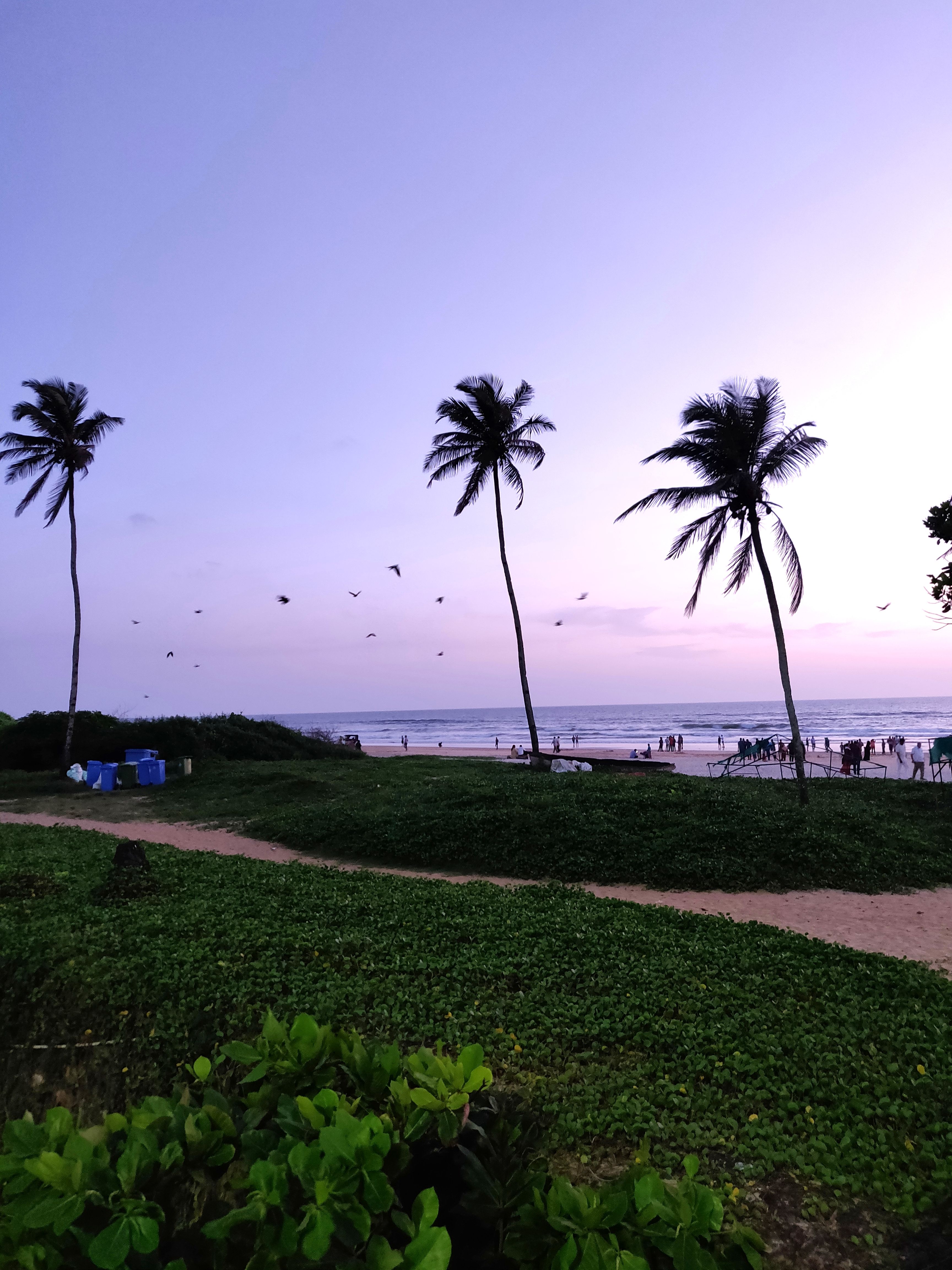
- Palolem and Agonda are the crescent-shaped southern bays that many people think of as the real Goa.
- Panaji and Old Goa are the heritage heart, with UNESCO churches, the Latin Quarter and river cruises.
When to go
| Months | What it is like | Suits |
|---|---|---|
| October | Monsoon ends, humid, shacks start to reopen | Value stays, fewer crowds |
| November to February | Dry, sunny, comfortable evenings, full season | Beaches, nightlife, festivals, honeymoons |
| March to May | Hot and humid, calm sea, fewer crowds | Budget stays, pool holidays, quiet beaches |
| June to September | Heavy rain, rough seas, closed shacks | Greenery, waterfalls, Ayurveda, low prices |
The peak of the peak is the period between Christmas and the first week of January, when rates and crowds are at their highest. Our best time to visit Goa guide goes month by month, and Goa weather month by month covers temperatures and rain.
Planner's note: If you want beach life with fewer crowds, aim for the shoulder weeks of mid-October to mid-November and late February to March. The weather is good, prices are lower and shacks are open.
How many days to give Goa
- 3 days: one coast only, with a mix of beach time and one sightseeing day.
- 4 to 5 days: a base on one coast, a day for Old Goa and Panaji, and a day trip such as Dudhsagar or a river cruise. This is our recommended length for a first visit.
- 6 to 7 days: a split stay across North and South, with time for markets, a spice plantation, a sunset cruise and slower evenings.
See our 3-day Goa itinerary and 5-day Goa itinerary for day-by-day plans.
Beyond the beach
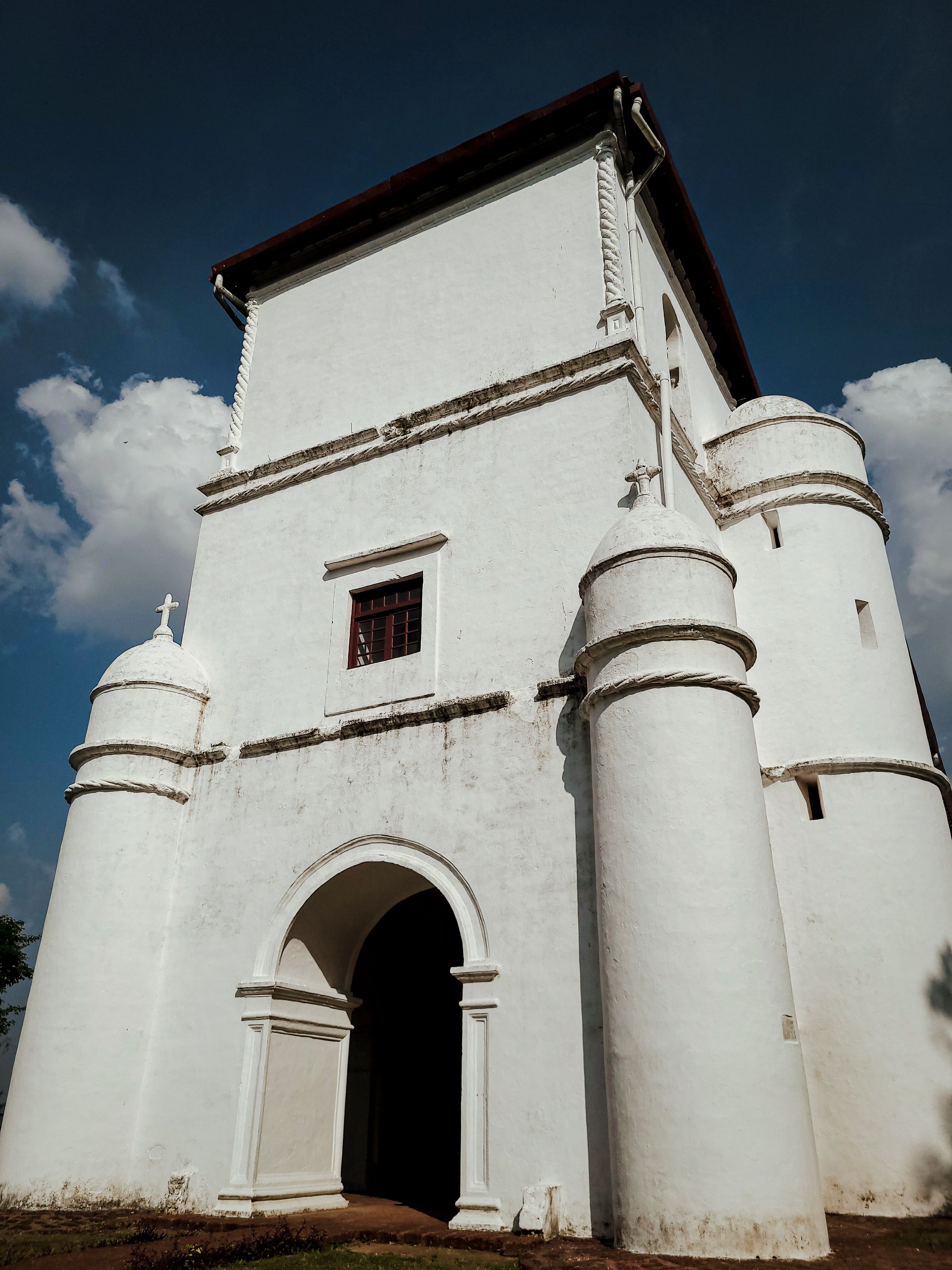
Goa rewards a bit of curiosity. The Basilica of Bom Jesus and Se Cathedral in Old Goa are UNESCO-listed churches, and Fontainhas in Panaji is a colourful Latin Quarter that is best explored on foot in the morning. Inland, the spice farms near Ponda offer lunches and guided walks, and the Mollem area has Dudhsagar Waterfalls and the wildlife sanctuary around it. On the coast, kayaking at Palolem, dolphin-spotting boat trips, yoga retreats in Mandrem and sunset river cruises on the Mandovi give you something different from the usual beach day.
Food is part of the trip. Goan fish curry rice, prawn balchão, pork vindaloo and sorpotel, vegetable xacuti, bebinca and fresh pão from the neighbourhood bakery are all worth trying, and vegetarians can eat well too. Our Goa food guide covers what to order and where to look.
Where to stay
- Calangute, Baga and Candolim: central, lively and well connected, with the widest range of hotels and restaurants.
- Anjuna, Vagator and Assagao: cafes, boutique stays and a younger crowd.
- Arambol, Mandrem and Morjim: peaceful, with guest houses, yoga stays and long-stay villas.
- Colva, Benaulim and Varca: relaxed resort country with wide, calmer beaches and large hotels.
- Palolem, Patnem and Agonda: beach huts, boutique resorts and simple guest houses on beautiful bays.
- Panaji: heritage hotels and easy access to Old Goa, but not a beach base.
For a more detailed comparison, see the Goa first-time visitor guide.
Getting around
Goa has no metro and public transport is limited, so most visitors use a prepaid taxi, a pre-booked cab with driver, or a rented scooter or car. Distances look short on the map but are slow on the road, especially in the evening in Calangute and Baga. A day with a driver is usually the easiest way to cover Old Goa, Panaji and a few beaches. Scooters are popular but accident risk is real, as our guide to getting around Goa explains.
Safety, rules and respect
Beaches have lifeguard cover in much of the open season, and red flags mean stay out of the water. Do not leave belongings unattended on the sand, avoid isolated areas late at night and stick to licensed operators for water sports and nightlife. Fire-safety enforcement in nightclubs and restaurants has been tightened since a fatal fire in December 2025. Dress respectfully when visiting churches and temples, and do not litter or use glass bottles on beaches. Read our safety and local tips guide for more detail.
Goa for different kinds of traveller
Couples and honeymooners usually do best splitting a stay: a lively few nights in the north for restaurants and sunsets, then a quiet bay in the south. The mood you want matters more than the star rating of the hotel, and a room ten minutes' walk from the sand is often better value than a pricey beachfront one.
Families with children need a pool, a calm beach and short transfers. South Goa's resort belt and Candolim are the usual choices; Baga and Anjuna are better saved for another trip. Pick a hotel that serves an early dinner and has a doctor on call, and keep midday for the pool, as the sun is strong.
Friends' groups gravitate to Calangute, Baga, Anjuna and Vagator, which is fine if you plan for the nights as well as the days: a cab with driver for evenings, a clear rule about scooters and a shared plan for getting everyone back.
Senior travellers do well in Candolim and South Goa, where hotels have lifts, gardens and quieter evenings. Churches and heritage sites in Old Goa and Panaji are comfortable half-days, and a Mandovi river cruise is gentle and enjoyable.
Solo travellers and long-stay visitors often choose Arambol, Mandrem, Palolem or Agonda, where cafes, yoga studios and co-working spots make it easy to settle in, particularly between November and March.
Workation and remote-work trips are increasingly common. Check mobile coverage and broadband at your stay before you book, and avoid the peak December weeks if you need quiet.
Culture, language and local etiquette
Goa has been shaped by more than four centuries of Portuguese rule, and its culture is a blend of Hindu, Catholic and Konkani traditions. You will hear Konkani, English, Hindi and Marathi, and see churches, temples and wayside crosses side by side. The local ideal of susegad, loosely meaning "contentment", is real: things move more slowly than in most Indian cities, shops close for a long lunch in smaller villages and a polite smile gets further than a rush.
Away from the beach, dress modestly, especially in churches, temples and villages. Ask before photographing people, particularly fishermen and market sellers. Respect Sunday Mass and festival processions by giving way and keeping your voice low. In bars and restaurants, tipping is appreciated but not expected beyond a service charge, and bargaining is fair in markets but not in restaurants or at fixed-price counters.
What most Goa itineraries get wrong
Many itineraries look good on paper and feel exhausting in practice. The usual mistakes are scheduling too many beaches in a day, underestimating the evening traffic between the north and south, planning Old Goa for midday when the heat is at its worst, and forgetting that the sea is not safe for swimming for much of the year. The best itineraries do fewer things, leave a free afternoon and place the heritage visits early in the morning. If someone offers you a plan with four sights a day, ask what it leaves out.
Costs to expect
Goa can be done at almost any budget. Hotel rates change more with the season than with the location, with the December to January peak the most expensive and the monsoon the lowest. Meals, scooters, water sports and nightlife add to the total, and many are paid on the spot. See our Goa trip cost guide for how a quote is built.
How we plan Goa trips
We begin with a short conversation about who is travelling, how you like to spend a day and what you do not want to do. Then we suggest a coast, a base and a pace, and write down hotels, transfers and inclusions in a quote you can review. There is no fee to start the conversation. You can browse our Goa tour packages, including a honeymoon plan and a family holiday, or tell us your dates and we will draft a plan.