Short answer
Rest for at least 48 hours after arriving in Leh, drink plenty of water, avoid alcohol and heavy exertion, ascend gradually and descend immediately if symptoms worsen. Headache, nausea and breathlessness are common; confusion, loss of balance, severe breathlessness at rest or a persistent wet cough are emergencies.
On this page 15 sections
Altitude is the main health risk in Ladakh, and it affects the fit and the unfit alike. Leh is at around 3,500 metres, and many places travellers want to visit, such as Khardung La, Pangong and Tso Moriri, are much higher. Understanding how your body reacts, and respecting the early warning signs, makes the difference between a wonderful trip and a miserable or dangerous one. This guide is general information, not medical advice. Please speak to your own doctor.
What happens at altitude
Air at 3,500 metres has about two thirds of the oxygen found at sea level. Your body adapts by breathing faster, raising your heart rate and, over days, producing more red blood cells. This process takes time. If you ascend faster than your body can adapt, you may develop acute mountain sickness (AMS).
The 48-hour rule
Ladakh's tourism advisory recommends at least 48 hours of rest on arrival in Leh before going higher. This is the single most useful piece of advice. In practice:
- Day 1: complete rest. Sleep, drink water, eat lightly.
- Day 2: gentle sightseeing at the same altitude, with no steep climbs.
- Day 3: monasteries and viewpoints by car, still without exertion.
- Day 4 onwards: go higher, ideally with a lower night in between.
Spending a night at Nubra before going to Pangong, for instance, is more sensible than going straight up.
Common symptoms of AMS
- Headache, often the first sign
- Nausea or loss of appetite
- Dizziness
- Unusual tiredness
- Trouble sleeping
- Breathlessness on exertion
Mild AMS is common. Rest, hydration and time often resolve it. Do not climb higher while you have symptoms.
Danger signs
Severe altitude illness can be life-threatening. Descend at once and seek medical help if you notice any of these: confusion or odd behaviour, loss of balance or coordination, severe headache that does not improve, breathlessness at rest, a persistent wet or bubbly cough, blue lips or fingers, or vomiting that does not stop.
These may signal high altitude pulmonary oedema (HAPE) or high altitude cerebral oedema (HACE). The treatment is to descend, give oxygen if available and get medical care. Do not wait until morning.
Who needs extra care
- Anyone with heart or lung disease, high blood pressure, diabetes or blood disorders.
- Pregnant women.
- Young children, who cannot always describe symptoms.
- Older travellers.
- People who have had altitude illness before.
There is no reliable way to predict who will be affected. Fitness does not protect you. Talk to a doctor before booking, and share the advice with us.
Medicines
Some doctors prescribe acetazolamide to help with acclimatisation. It is a prescription medicine, and not right for everyone, so discuss it with your own doctor. Do not take sleeping pills or strong sedatives, which depress breathing. Carry basic medicines: painkillers, anti-nausea tablets, rehydration salts, antacids and any regular prescriptions. Keep them in your hand luggage.
Hydration, food and alcohol
Drink three to four litres of water a day, more than you think you need, because the air is dry. Eat small, regular, carbohydrate-rich meals. Avoid alcohol for at least the first days, since it dehydrates you and worsens symptoms. Avoid smoking.
Sleeping altitude matters
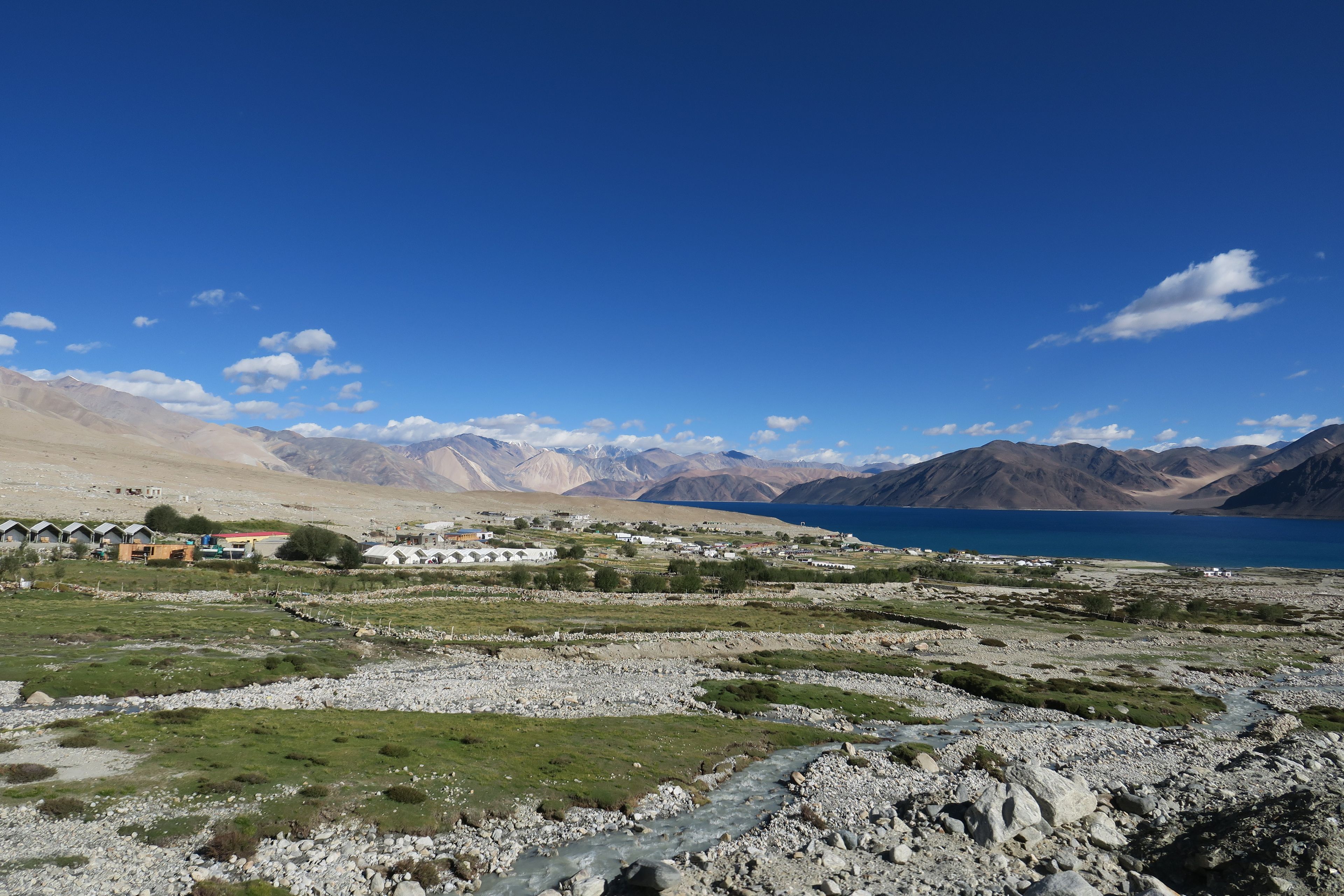
What counts most is the height at which you sleep. Going high during the day and coming back down is easier on the body than sleeping at a very high point. Pangong and Tso Moriri require sleeping at over 4,000 metres, so they should come after several days in Ladakh. Camps near Sarchu on the Manali highway are particularly demanding.
Oxygen and medical facilities
Leh has a hospital and clinics, and oxygen cylinders are available. Facilities elsewhere are limited. Our vehicles can carry an oxygen cylinder on request, and drivers know where the nearest help is. The national emergency number is 112. In remote areas, mobile coverage may not work, so tell your guide about any symptoms early.
A simple morning check
Each morning, ask yourself a few questions. How did I sleep? Do I have a headache, and does it ease with water and paracetamol? Is my appetite normal? Do I feel unusually breathless or dizzy? If you travel in a group, ask each other. If the answers are bad, delay your ascent by a day, hydrate and rest. Most altitude problems improve with a day of rest at the same height, and nearly all improve with descent. Your tour should always be flexible enough to allow this, and ours is.
Sun, cold and dehydration
UV is intense. Use high-SPF sunscreen, lip balm, sunglasses and a hat. Dress in layers, since temperatures change fast. Frostbite and hypothermia are risks in winter and on passes. Protect your hands, feet and face.
Other safety points
- Road safety. Mountain roads are narrow and steep. Do not press drivers to go faster. Do not travel at night.
- Stray dogs. Be careful with food and feeding.
- Water crossings. Do not wade streams that flow fast.
- Border areas. Follow rules and do not photograph military sites.
- Local situation. In September 2025, protests in Leh led to a curfew. We follow official advice and tell you plainly if anything affects your plans.
Travel insurance
Buy insurance that covers altitude, medical care and evacuation. Many standard policies exclude trekking or activities above a certain altitude, so read the terms. Share the policy details with us.
Respect the place
Water is scarce. Use it sparingly. Take your waste back. Do not use single-use plastic where you can avoid it. Ask before photographing people. Support local families and businesses.
Plan with us
Our plans build in acclimatisation days and flexibility. See the first-time visitor guide, or send us your dates and health notes and we will plan around them.
Practical tips
- Plan at least two nights in Leh before going higher, and avoid sleeping at much higher altitude on the third night.
- Drink three to four litres of water a day, and avoid alcohol and sedatives in the first days.
- Talk to your doctor before travelling, especially if you have heart, lung or blood-pressure conditions, or if you are pregnant.
- Never ignore symptoms that get worse, and never ascend with symptoms.
- Buy travel insurance that covers altitude and evacuation.