On this page 10 sections
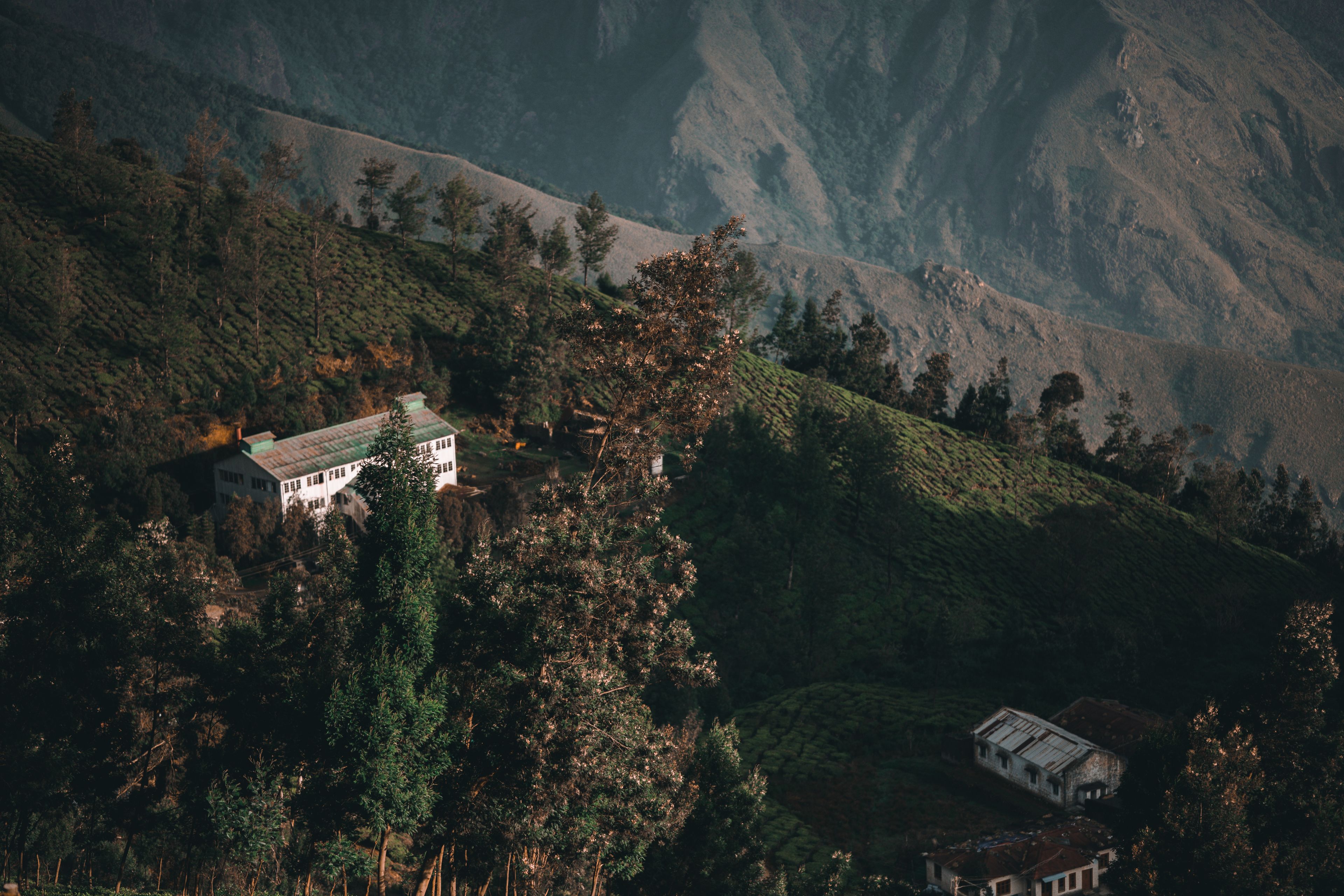
Munnar sits at around 1,600 metres in the Western Ghats, where the hills are carpeted in tea and the air is cool all year. It began as a plantation retreat for British planters in the nineteenth century, and the tea estates still define the landscape, with bright green terraces rolling into the mist. It is Kerala's most popular hill station, and one of the easiest places in the state to relax.
What Munnar is like
The town itself is a small, busy market centre, and most visitors stay in the hills around it, in resorts, plantation bungalows and homestays. Scenery is the main attraction: tea terraces, forested ridges, waterfalls and lakes. Mornings often start in mist, and the light is soft and golden in the late afternoon.
What to see and do
- Tea plantations and the tea museum. Walk among the bushes, see how tea is processed and taste the result. Some estates arrange guided walks.
- Eravikulam National Park, home to the Nilgiri tahr, a mountain goat found only in the Western Ghats, and a high plateau of grassland.
- Mattupetty Dam and Echo Point. A reservoir with boating and a scenic viewpoint.
- Top Station. A high viewpoint at the Kerala-Tamil Nadu border, with sweeping views on clear days.
- Kolukkumalai. One of the highest tea estates in the world, reached by jeep on a rough road, famous for sunrise.
- Attukad and Lakkam waterfalls. Best after rain.
- Spice plantation visits, where you can see cardamom, pepper and cloves growing.
How long to stay
Two nights is the minimum, as the road from Kochi takes four to four and a half hours. Three nights allows a relaxed pace, with a full day for Eravikulam and the viewpoints. If you are travelling with children or older relatives, take it slow.
Weather and seasons
Munnar is cool in all seasons, with daytime temperatures usually between 15 and 25 degrees, and cold nights from December to February. The monsoon, from June to September, brings heavy rain, mist and landslide risk on roads; in recent seasons, travel restrictions and closures have affected visitor numbers. September to March is the most reliable window. April and May are warm and sunny, and popular with families.
Where to stay
Plantation bungalows and resorts around Chithirapuram, Devikulam and Pothamedu give views and quiet. Homestays in the tea estates offer home cooking and local advice. The town centre has budget hotels but is noisy and crowded. Book early for December to January and holidays, and check heating, hot water and road access.
Getting there
Munnar is about 130 km from Kochi (four to four and a half hours) and 160 km from Coimbatore. Roads are winding and, in the rains, can be slow or closed. Many travellers hire a private car for the climb. Public buses run from Kochi and Thekkady.
A suggested two days
On the first day, drive up in the morning, check in and visit a tea estate in the afternoon, ending with a quiet sunset viewpoint. On the second day, go to Eravikulam early before the crowds, then Mattupetty and Echo Point, and enjoy a long lunch. Keep the late afternoon free for tea, a walk or simply sitting with the view. Munnar is a place that rewards doing less.
Safety notes
Hill roads are narrow with sharp bends, so avoid night driving. In the monsoon, check district advisories for landslide warnings and rainfall alerts. Wear grippy shoes on wet trails, and carry rain gear. Respect the plantation workers and stay on marked paths.
Munnar for different travellers
Couples like the misty mornings and quiet cottages. Families enjoy the boating, the tea museum and short walks. Photographers favour sunrise at Kolukkumalai and the layers of tea terraces. Older travellers do well with a comfortable resort and a car. Trekkers can arrange guided hikes with registered guides.
Plan Munnar with us
Munnar anchors our Kerala honeymoon and Classic Kerala tour. Tell us your dates and we will advise on weather and a stay.