Short answer
October to March is the best time to visit Rajasthan, with sunny days and cool evenings. November to February is peak season for festivals and desert camps. April to June is extremely hot, and July to September brings humid monsoon weather that turns Udaipur and the hills green.
On this page 12 sections
Rajasthan sits at the edge of the Thar Desert, so the season matters more here than in many other parts of India. A trip in January can be crisp and golden, while the same route in June can feel like walking through an oven. This guide explains what each part of the year is like, which festivals fall when and how to choose the right months for your kind of holiday.
Winter: November to February
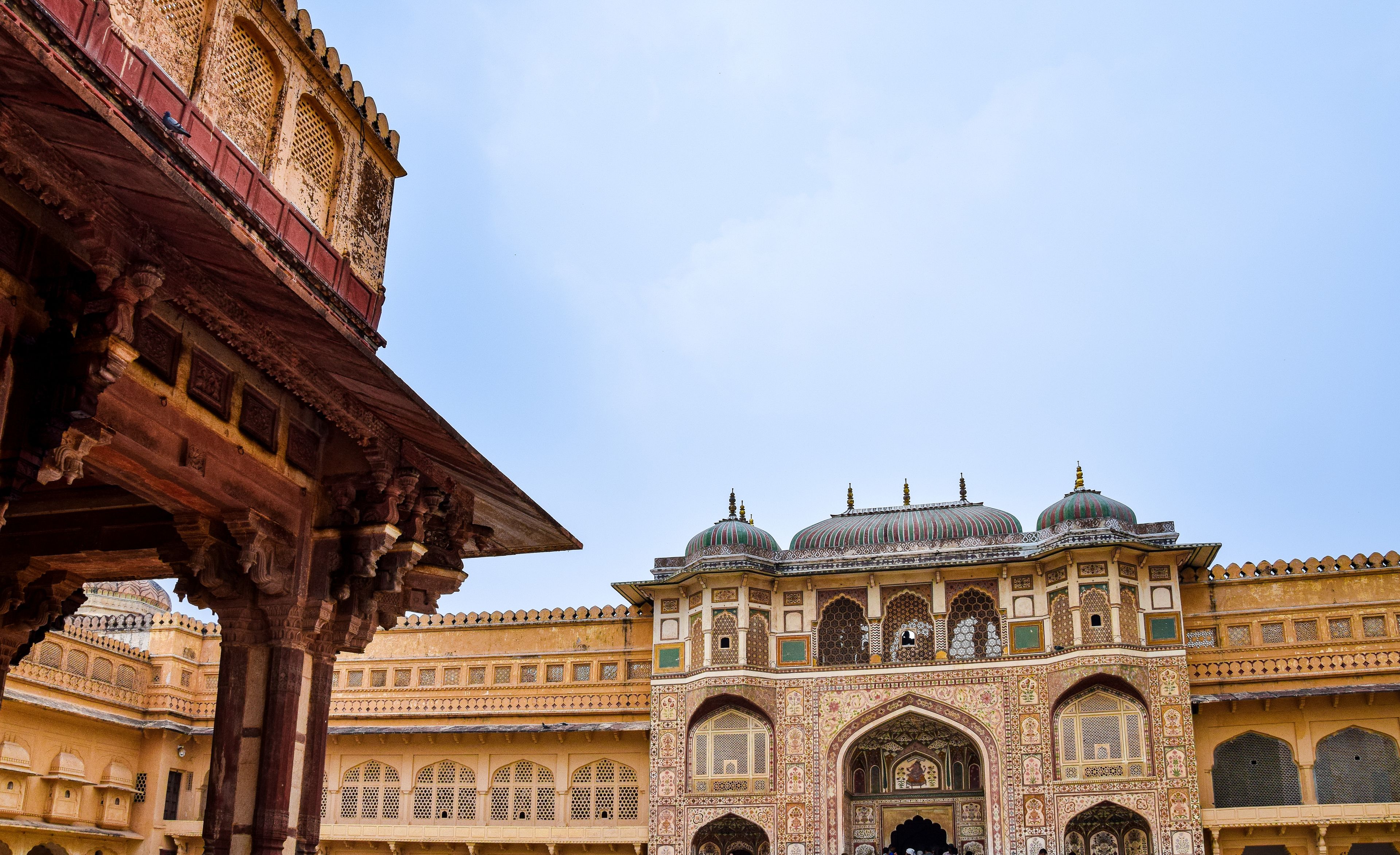
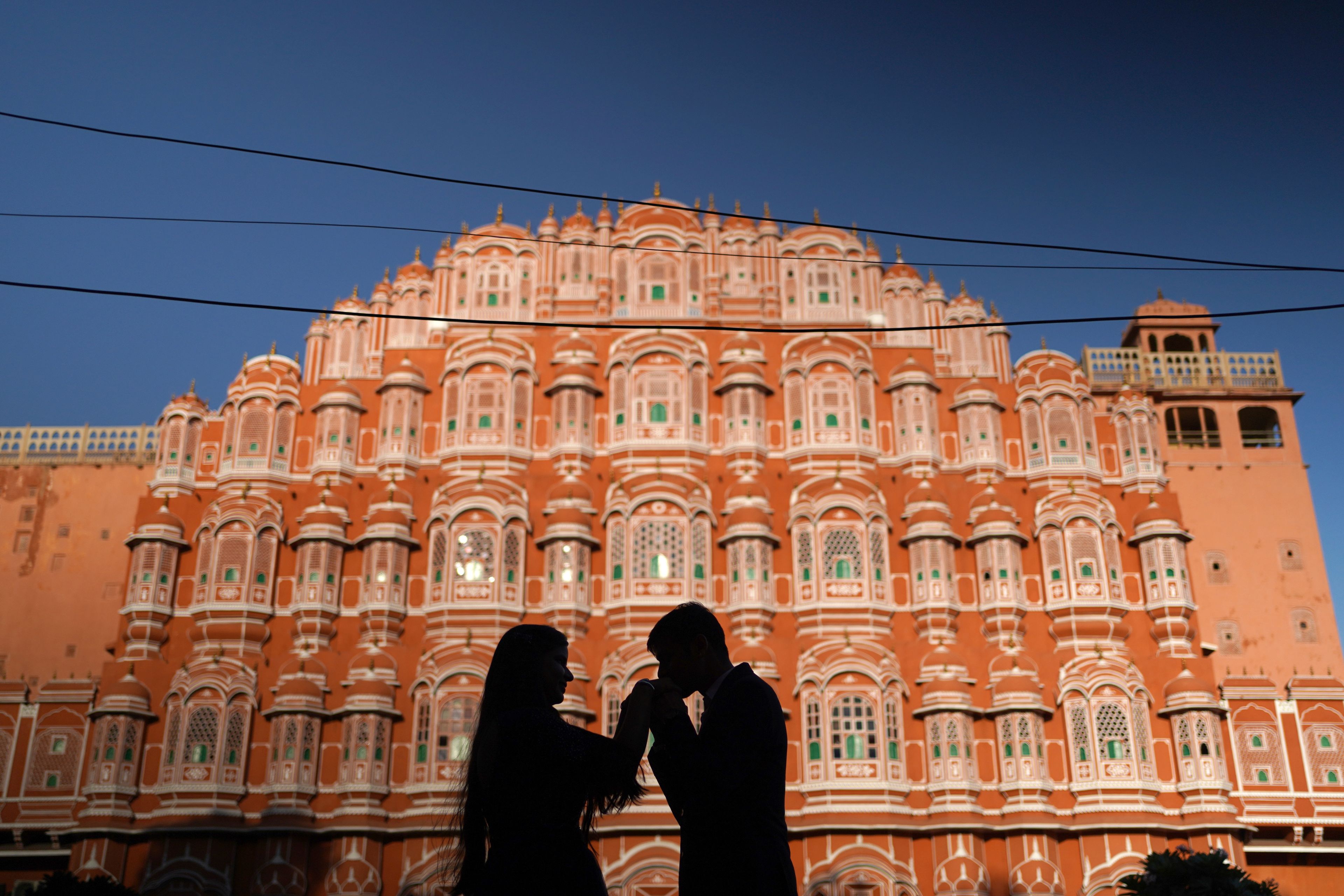
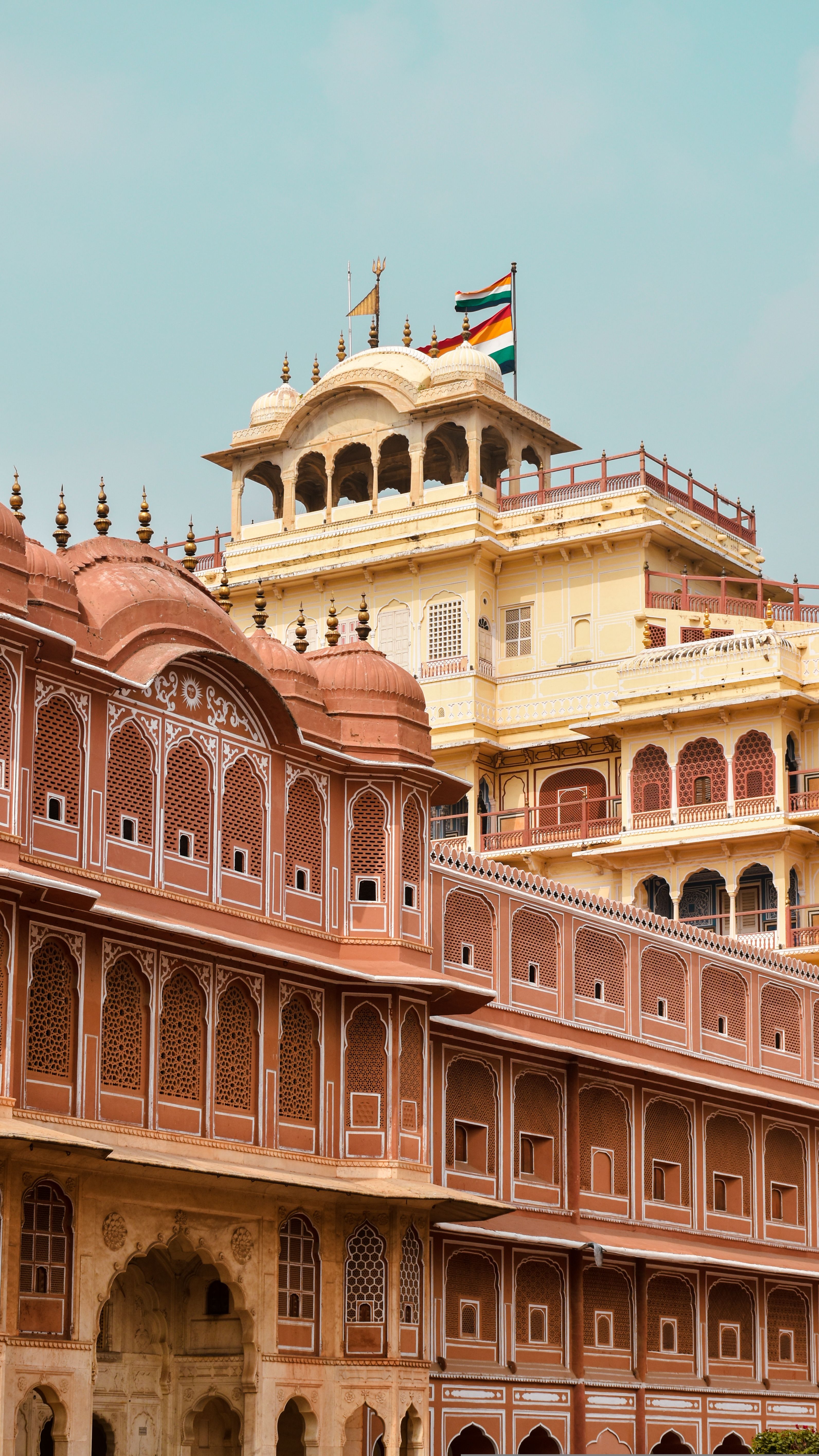
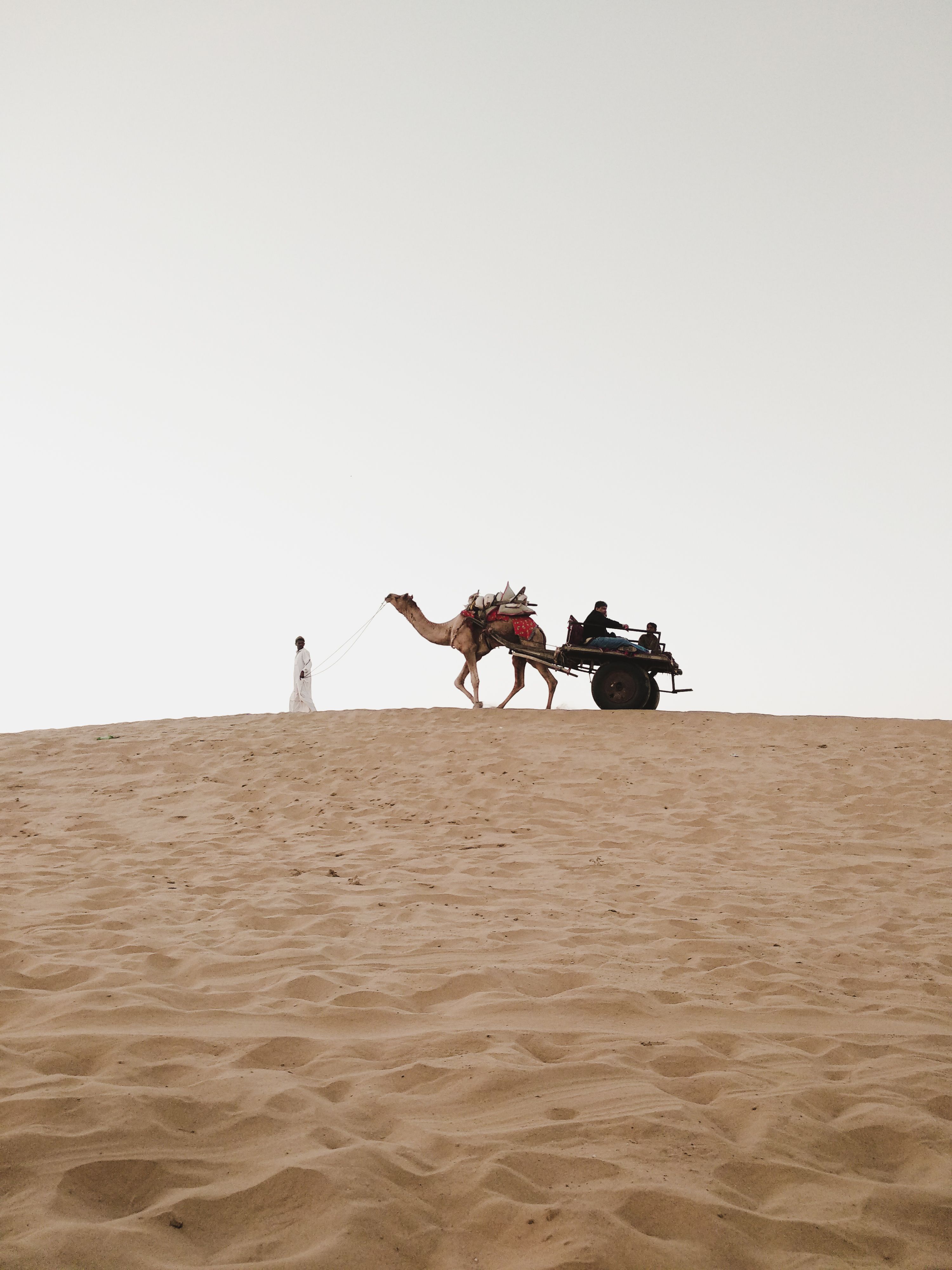
This is the classic Rajasthan season. Days are sunny and clear, with temperatures between roughly 20 and 28 degrees in the cities, and evenings are cool. In the desert, nights can fall to single digits. Forts are comfortable to climb, camel rides are pleasant and photography is at its best, with crisp light on sandstone. This is also the season for the main festivals and the highest hotel rates.
Good for: sightseeing, desert camps, heritage hotels, festivals, photography. Watch for: crowds at monuments, high rates between mid-December and mid-January, foggy mornings in the north, and very cold desert nights.
Spring: late February to March
The air warms and the crowds ease. March is lively with Holi and Gangaur, and the weather is still comfortable in the morning though afternoons begin to heat up. Late March is the last good month for sightseeing before the summer heat takes over.
Good for: festivals, fewer crowds, flowers in some gardens. Watch for: rising afternoon temperatures, especially in Jodhpur and Jaisalmer.
Summer: April to June
Rajasthan becomes very hot. Daytime temperatures often reach the high 30s and low 40s, and in May and June can exceed 45 degrees in the desert. Hot, dry winds called loo blow in the afternoon, and dust storms are common. Hotels offer discounted rates and monuments are quieter, but sightseeing is difficult, and wildlife safaris at Ranthambore, while hot, can give good sightings at waterholes.
Good for: budget stays, quiet monuments, wildlife near water. Watch for: extreme heat, heat-related illness, dehydration, limited outdoor time.
Monsoon: July to September
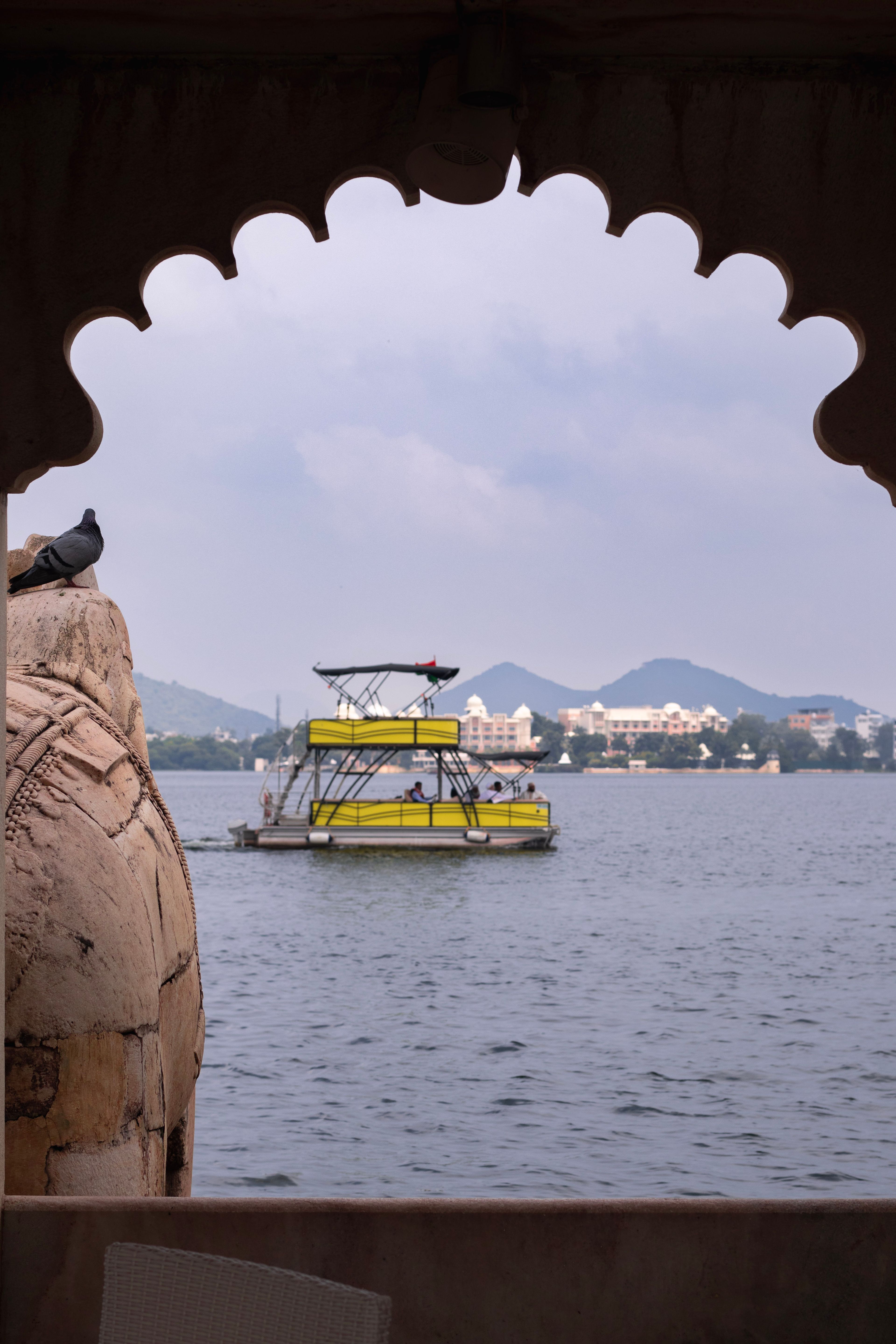
Rain arrives in late June or early July and reaches the east and south first. The west is much drier, but the hills around Udaipur, Mount Abu and Kumbhalgarh turn green, lakes fill and waterfalls appear. It is humid, with showers rather than constant rain. Crowds drop and hotels reduce rates. Teej, a monsoon festival, brings processions and swings in Jaipur. The Ranthambore park is closed.
Good for: Udaipur's lakes, greenery, photography, lower prices. Watch for: humidity, patchy rain, closed wildlife parks, slippery fort steps.
Early autumn: October
The monsoon retreats, temperatures ease and the state prepares for the main season. Early October is still warm, but by Diwali the days are comfortable. It is a good month for value, with festivals such as Dussehra and Diwali.
Festivals through the year
- January: The Jaipur Literature Festival, Makar Sankranti (when the skies fill with kites) and the Bikaner Camel Festival.
- February: The Jaisalmer Desert Festival, with music, turban-tying and camel events.
- March: Holi and Gangaur, with processions and colourful costumes, and the Mewar Festival in Udaipur.
- July and August: Teej, a monsoon festival of swings and songs.
- October to November: Dussehra and Diwali, the Pushkar Camel Fair around Kartik Purnima in November and the Marwar Festival in Jodhpur.
Exact dates move every year with the lunar calendar. The Pushkar Fair was expected to run from about 17 to 24 November in 2026.
Crowds and prices
The busiest and most expensive weeks are from mid-December to mid-January, and around festivals. Hotels in Udaipur, Jaipur and Jaisalmer fill early. October, early March and the monsoon offer the lowest rates for decent weather, apart from summer. If your dates are fixed by a holiday, book at least two to three months ahead for peak weeks.
Month-by-month snapshot
- October: Warm days, cooling evenings, Dussehra and Diwali energy.
- November: The start of peak season, with the Pushkar Fair and clear skies.
- December: Cool, sunny and busy; fog can affect early flights.
- January: Cold mornings, kite festival and the literature festival in Jaipur.
- February: Mild, with the Desert Festival at Jaisalmer.
- March: Holi, Gangaur and warming days.
- April to June: Hot; quiet monuments and discounted hotels.
- July to September: Monsoon showers, green hills and quiet cities.
What changes for wildlife and birds
Ranthambore's safaris run from October to June and the park is closed during the monsoon. Tiger sightings are often better in the hot months, when animals come to waterholes, though the heat is intense. Keoladeo National Park near Bharatpur is at its best between November and February, when migratory birds fill the wetlands.
A simple comparison
| Priority | Best months |
|---|---|
| Comfortable sightseeing | November to February |
| Desert camps | November to February |
| Festivals | October to March |
| Fewer crowds and good weather | Early October, March |
| Green hills and lakes | July to September |
| Lowest prices | April to June, July to September |
| Wildlife (Ranthambore) | November to April |
Match the season to your group
Families with school-age children usually travel in winter or during holidays in October and December. Couples often choose November to February. Senior travellers should avoid April to September. Photographers favour winter mornings and the monsoon. Groups and corporate trips can use October and March to save money.
How to decide
- Choose what matters most: sightseeing, festivals, the desert or lakes.
- Check fixed dates, such as school holidays or leave.
- Consider who is travelling.
- Decide how flexible you can be about route and hotels.
See Rajasthan weather month by month for temperatures and packing, or look at our Rajasthan tour packages. You can send us your dates for a tailored plan.
Practical tips
- Book hotels and desert camps two to three months ahead for November to January.
- If you must travel in summer, sightsee before 10 am and after 4 pm and stay somewhere with a pool.
- Pack warm layers for winter nights in Jaisalmer and the desert, which can drop close to freezing.
- Check festival dates, such as the Pushkar Fair and the Jaipur Literature Festival, before fixing your trip.
- Consider the monsoon for Udaipur if you want green hills, lower prices and fewer crowds.