On this page 11 sections
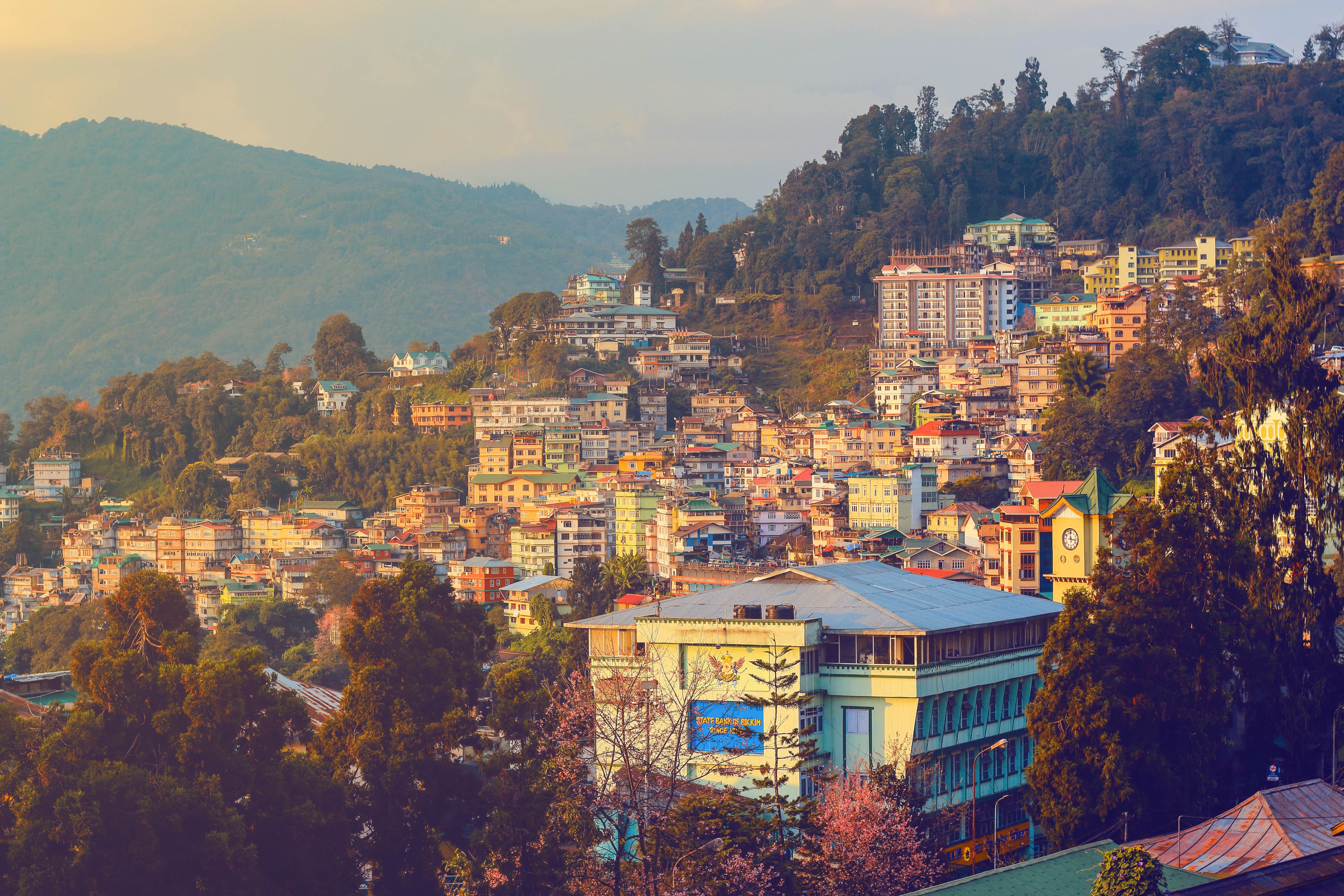
Kalimpong sits at about 1,250 metres on a ridge between the Teesta and Relli rivers, and is calmer, greener and warmer than Darjeeling. It was once a trading post on the route to Tibet, and today it is a town of monasteries, old mission schools, flower nurseries and cheese. For travellers who find Darjeeling too busy, Kalimpong offers a gentler version of the hill-town experience.
What Kalimpong is like
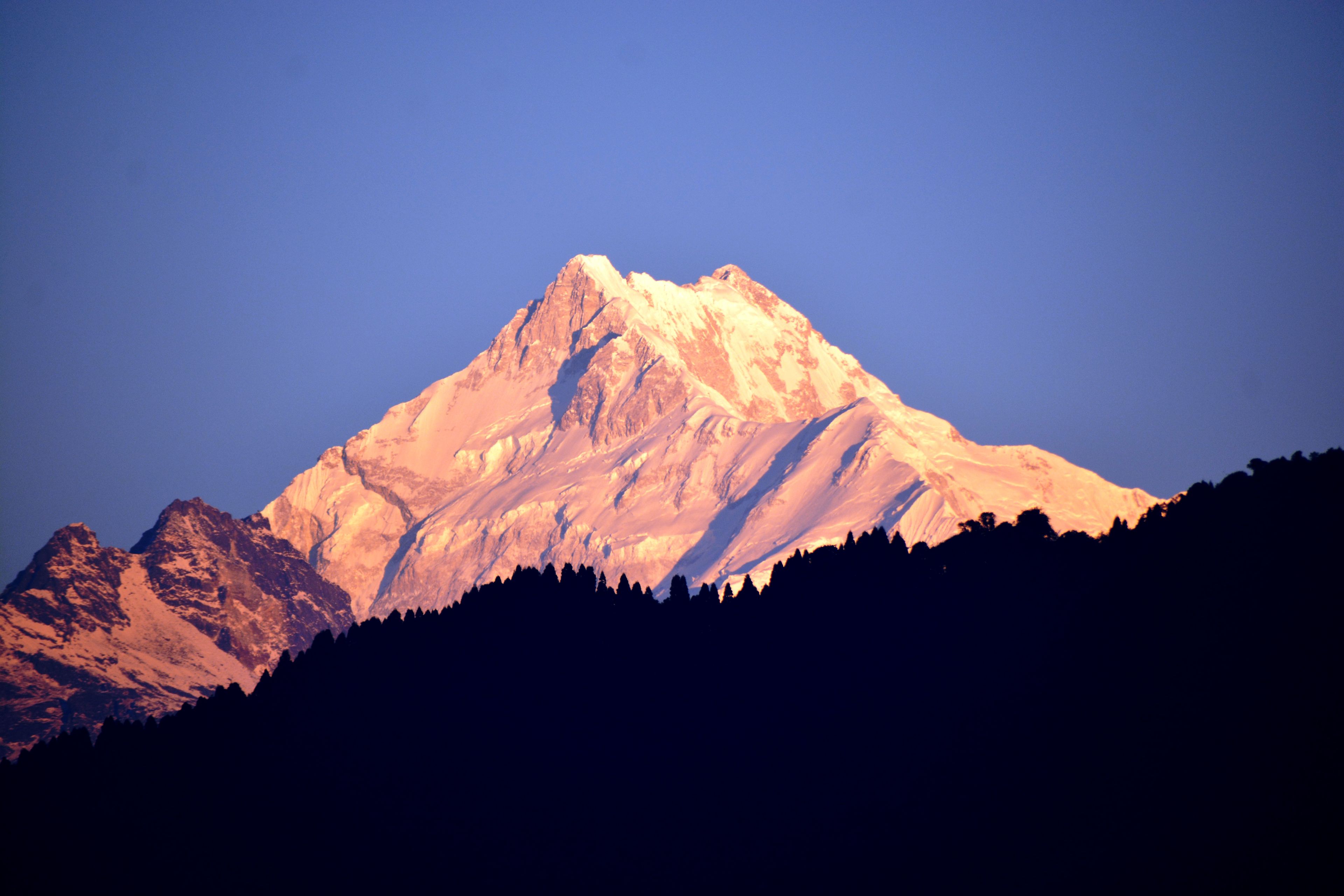
The town is spread across several hills, with a central market and a busy main road. The pace is slower than Darjeeling, and traffic is lighter. Visitors come to walk, visit gardens, drink tea and enjoy the quiet. The air is milder, so it works well in winter and early spring, and the forests around the town are a good base for bird-watching. On clear days, the Kanchenjunga range appears on the horizon.
What to see
- Monasteries and nurseries, the two things Kalimpong does best.
- Durpin Dara and Zong Dog Palri Fo-Brang Monastery, a hilltop monastery consecrated by the Dalai Lama in 1976.
- Thongsa Gompa, one of the oldest monasteries in town.
- Deolo Hill, a viewpoint at the top of town, with views of the Teesta valley and the mountains.
- Dr Graham's Homes, a historic school campus with colonial-era buildings.
- Mangal Dham, a modern temple.
- Local markets, for Himalayan cheese, tea, handicrafts and silk.
- The Teesta river and nearby viewpoints for rafting in some seasons.
How many days
One to two nights suit a gentle stay. Kalimpong is typically a stopover between Darjeeling and Gangtok. It works well in our family holiday, where a night here breaks the long road from Darjeeling to Gangtok.
Where to stay
Kalimpong has heritage guesthouses, boutique hotels and family-run homestays, many with gardens and mountain views. Staying slightly out of the centre gives more peace. Ask about heating in winter, since evenings can be cold. Some properties are old and charming, with uneven floors and creaky stairs.
Food
Kalimpong is known for Himalayan cheese, dairy products and Nepali-style food. Try momos, thukpa, thenthuk, sel roti, churpi and local sweets. Cafes in town serve European-style cakes and coffee, a legacy of the missionary era. Vegetarians eat well.
Getting there
Kalimpong is about 50 km from Darjeeling (2 hours), 80 km from Gangtok (3 to 4 hours) and 70 km from Bagdogra (2 to 3 hours). The road follows the Teesta and is prone to landslides in the monsoon. Taxis and shared jeeps run from Siliguri, Darjeeling and Gangtok.
Best time to visit
October to early December and March to May are the best months. Winters are cool and clear but quiet. The monsoon is wet and green, with landslide risk. Orchids and flowers bloom in spring.
Day trips from Kalimpong
Kalimpong is a good base for gentle excursions. The villages of Lava and Rishop, higher in the hills, offer forest walks, bird-watching and cool air, with simple homestays. Samthar Plateau and Lolegaon have views and quiet trails. Down at the river, Teesta Bazaar is the starting point for rafting in some seasons. Each of these needs a car and a local driver, and weather can close roads, so go early and keep your plans flexible.
Staying longer
If you stay three nights or more, Kalimpong's pace grows on you. Mornings are for birds and gardens, afternoons for cafes and the market, and evenings for a fire and a book. It is a place to slow down, and many travellers say it was the unexpected highlight of their trip.
Responsible travel
Respect monasteries, dress modestly and ask before photographing people. Support local nurseries, dairies and small cafes. Keep your plastic use low and carry a reusable bottle.
Plan Kalimpong with us
We often use Kalimpong as a calm stop on a Darjeeling and Sikkim route. Send us your dates and we will design a plan.