On this page 10 sections
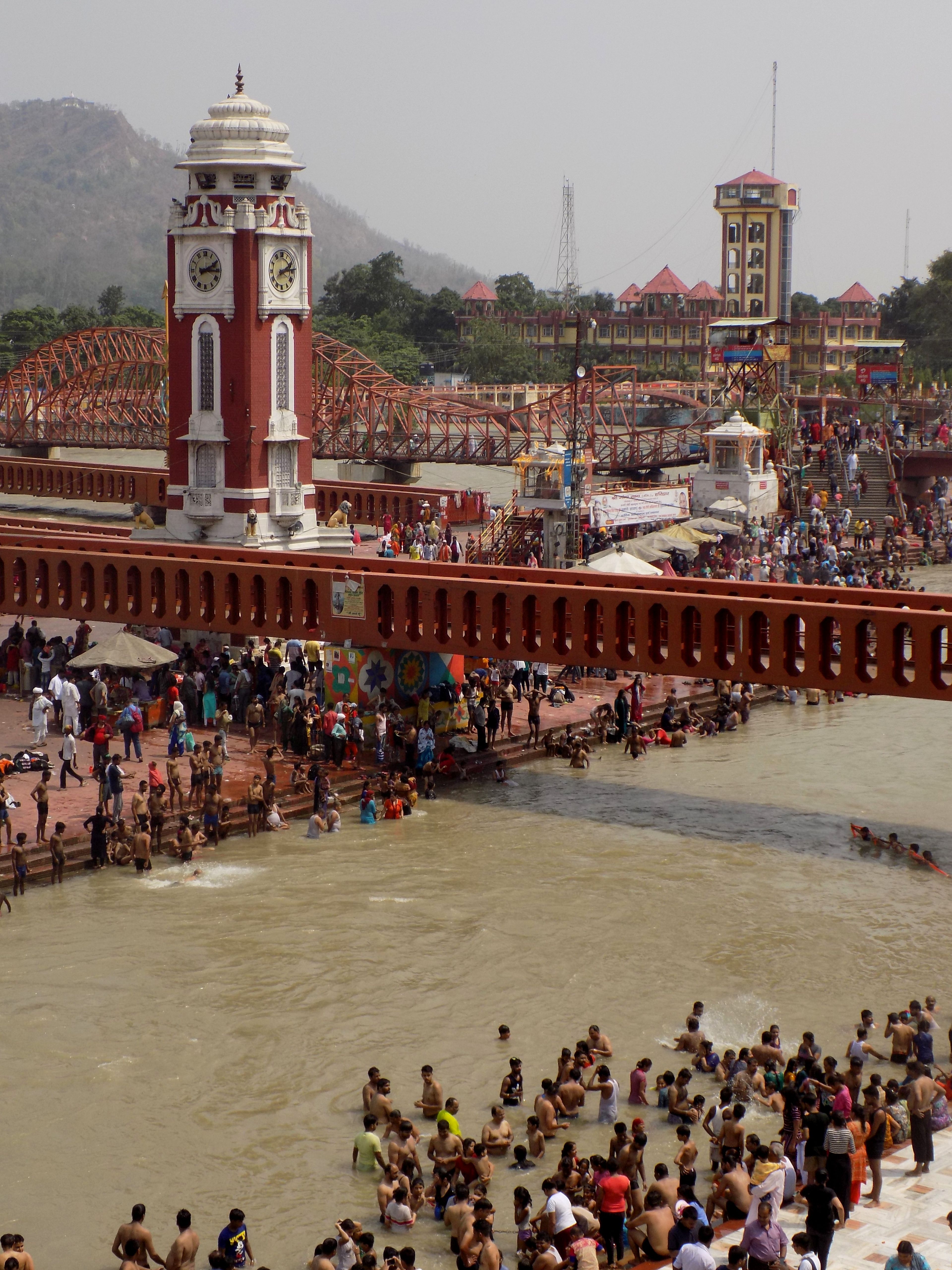
Haridwar is one of the seven holiest cities of Hinduism, and the place where the Ganga leaves the Himalaya and flows into the plains. Its name is often read as "gateway to God" (Hari-dwar) or "gateway to Shiva" (Har-dwar), and for pilgrims it is the starting point for the journey to the Char Dham shrines. Visitors come to bathe in the river, to watch the evening aarti and to attend the Kumbh Mela, one of the largest gatherings of people on earth.
What Haridwar is like
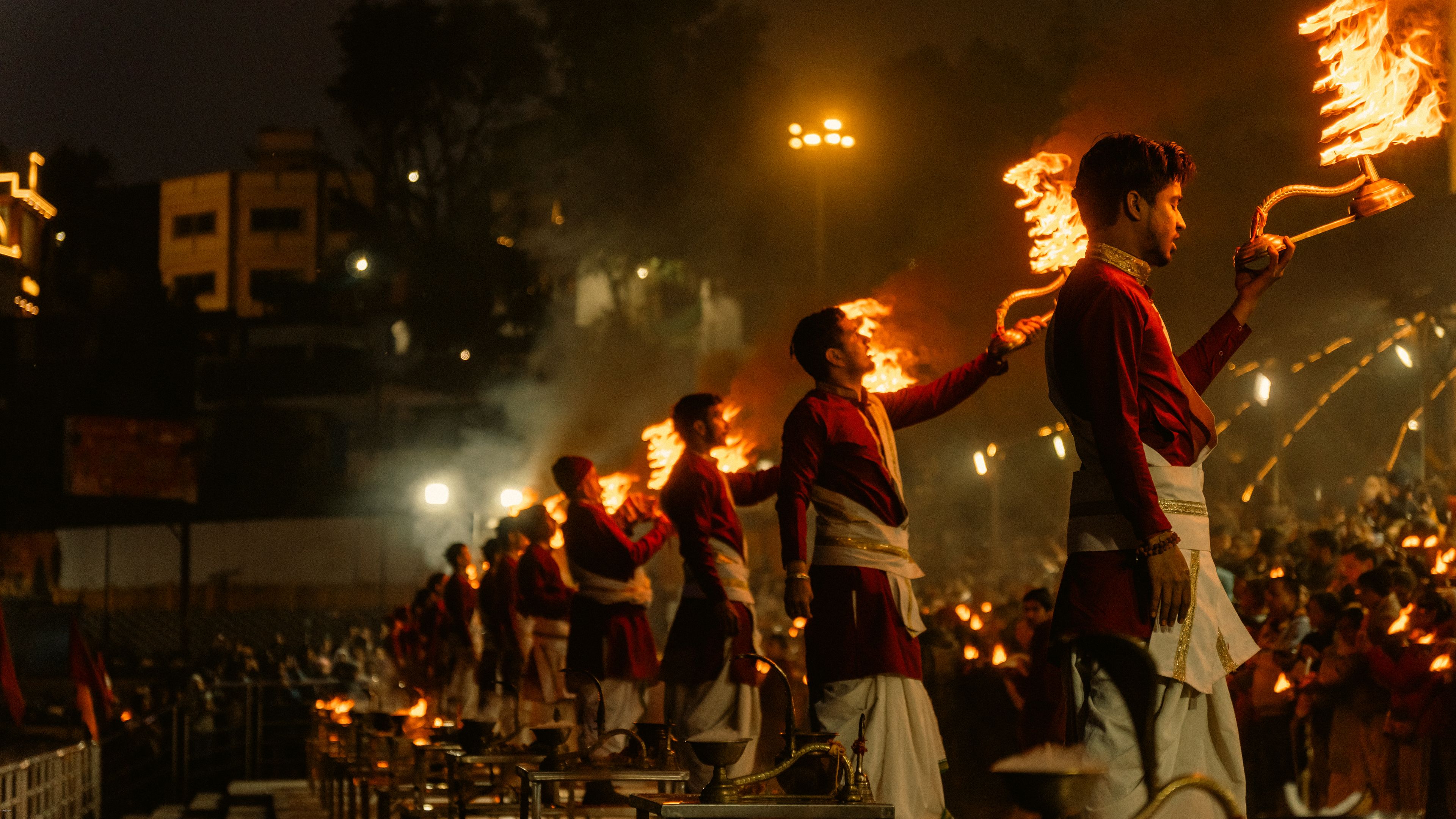
The town is busy, crowded and full of faith. Narrow lanes lead to temples, ashrams and markets selling brass lamps, rudraksha beads, sweets and religious items. The river is divided into channels and canals, and steps called ghats lead down to the water. Bells ring through the day, and the evening aarti draws thousands of people. It is not a quiet town, but it is a vivid and authentic one, and it makes a good first stop on an Uttarakhand journey.
What to see
- Har Ki Pauri, the principal ghat, where the Ganga aarti is held every evening.
- Mansa Devi Temple, on the Bilwa hill, reached by a ropeway or a steep walk, with views over the town.
- Chandi Devi Temple, on the Neel hill across the river, also reached by a ropeway or a trek.
- Maya Devi Temple, one of the oldest shrines in town.
- Bharat Mata Mandir, a multi-storey temple dedicated to national figures and deities.
- Daksh Mahadev Temple in Kankhal, linked to a well-known Shiva legend.
- Sapt Rishi Ashram and Shanti Kunj, for quieter spiritual visits.
- Markets around Har Ki Pauri and Moti Bazaar for offerings and sweets.
The Kumbh Mela
Haridwar hosts one of the four Kumbh gatherings, held every twelve years, with a half-gathering (Ardh Kumbh) in between. The last full Kumbh took place in 2021, and the next Ardh Kumbh is expected in 2027, though dates should be confirmed. During these periods, crowds are enormous, accommodation is scarce and restrictions apply. If you plan to attend, book very early and expect crowd control and traffic diversions.
How many days
One night is enough for the aarti, a temple visit and a market stroll. Two nights allow a ropeway visit and some time in Rishikesh. Haridwar works well as the first stop on a pilgrimage route or as an overnight on the way from Delhi to Rishikesh. See our Uttarakhand classic plan and the Kedarnath and Badrinath yatra.
Where to stay
Haridwar offers dharamshalas (pilgrim guesthouses), budget hotels, mid-range hotels and a few resorts on the road to Rishikesh. Staying close to Har Ki Pauri is convenient, but noisy and crowded. Properties along the river or on the outskirts are calmer. Ask about vegetarian-only rules, check-in times and parking.
Food and etiquette
Haridwar is largely vegetarian and alcohol-free, and many restaurants serve only sattvic food. Try kachori-sabzi, aloo puri, lassi, rabri and the town's sweets. Dress modestly, remove shoes before temples and ghats, and avoid leather items in some shrines. Ask before taking photographs of rituals or people bathing. Do not litter the river.
Getting around
Haridwar has a railway station with trains from Delhi and other cities, and Dehradun's airport is about 40 km away. Within town, you can use e-rickshaws, auto-rickshaws and taxis. Roads near the ghats are often closed to vehicles, especially in the evening.
Best time to visit
October to March is the most comfortable. Summer is hot and crowded with pilgrims. The monsoon is humid and the river is high. The town is busiest in May and June, in festival periods and during the Kanwar Yatra in the monsoon month of Shravan, when roads and hotels are heavily affected.
Safety and tips
Crowds are the main risk. Keep valuables close, hold children's hands and avoid steps when wet. Ignore touts who insist on special rituals for a fee. Use official ropeway counters. Bathing in the river is part of the experience for many, but currents can be strong; stay in the shallow, chained areas.
Plan Haridwar with us
Haridwar is easy to add to any Uttarakhand plan. Tell us your dates, and we will plan a stay that suits your pace.