Destination guide
Plan your time in Rajasthan
On this page 14 sections
- Rajasthan at a glance
- The classic circuits
- How far apart things are
- When to go
- Forts, palaces and havelis: what is the difference?
- Rajasthan for different kinds of traveller
- Food, shopping and festivals
- Where to stay
- Getting around
- Safety, scams and responsible travel
- Beyond the main circuit
- Practical details people forget
- Costs to expect
- How we plan Rajasthan trips
Rajasthan is the India of postcards: forts on hills, palaces on lakes, women in bright bandhani and long roads through the desert. It is also a state that is easy to plan badly. The distances are large, summers are harsh, and itineraries that look neat on a map can mean six hours in a car between every sight. This page is our working guide to Rajasthan: how the main circuits fit together, which season suits which trip, where to base yourself and what to settle before you ask for a quote.
Rajasthan at a glance
Rajasthan is India's largest state by area, stretching from the Thar Desert in the west to the Aravalli hills and the green southern plateau. Historically it was a collection of Rajput kingdoms, and the identity of each region still shapes what you see: Mewar around Udaipur and Chittorgarh, Marwar around Jodhpur, Jaisalmer in the Thar, Dhundhar around Jaipur and Hadoti around Bundi and Kota.
For travellers, the practical picture is simpler. Most trips build around five cities, each with a very different personality:
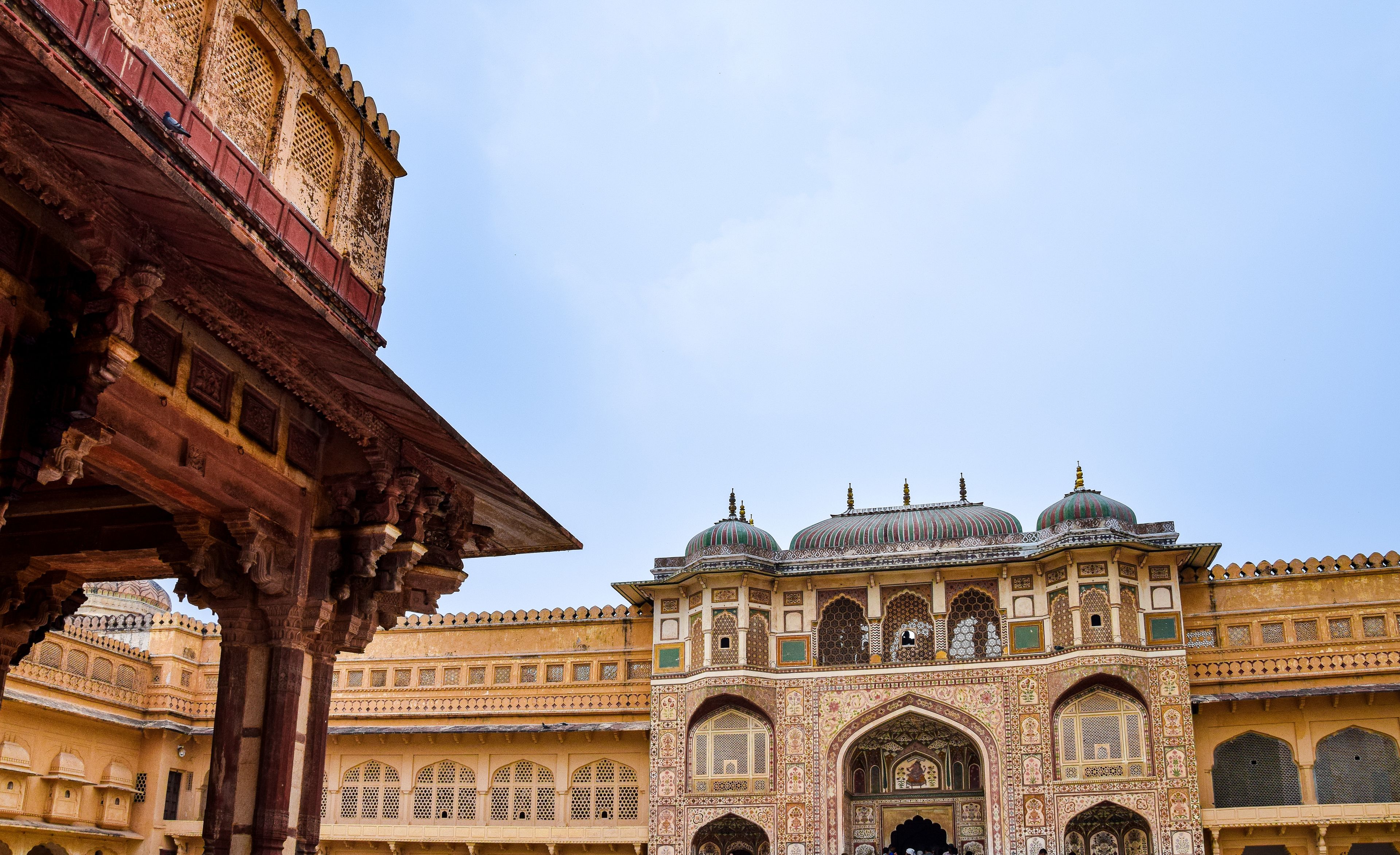
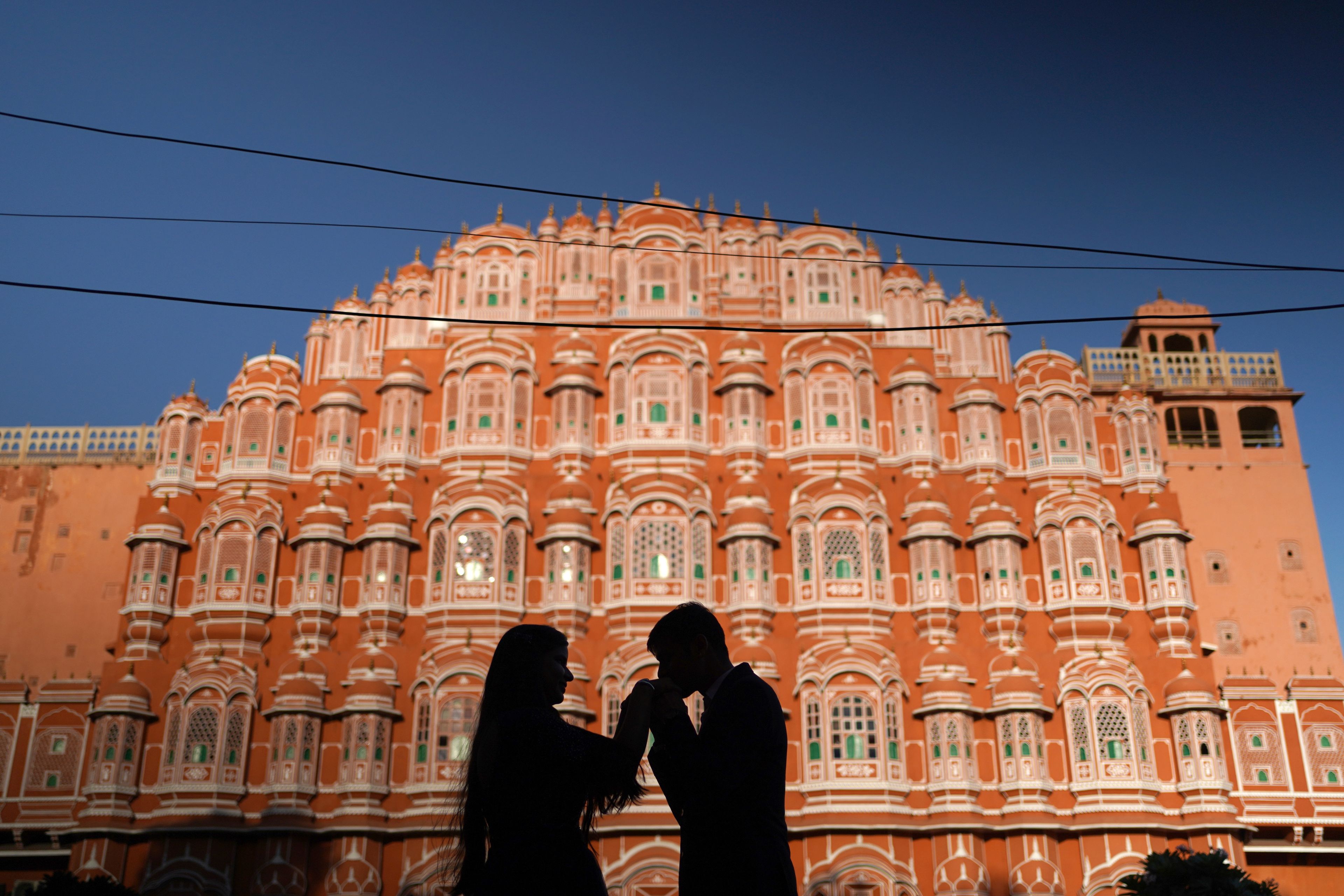
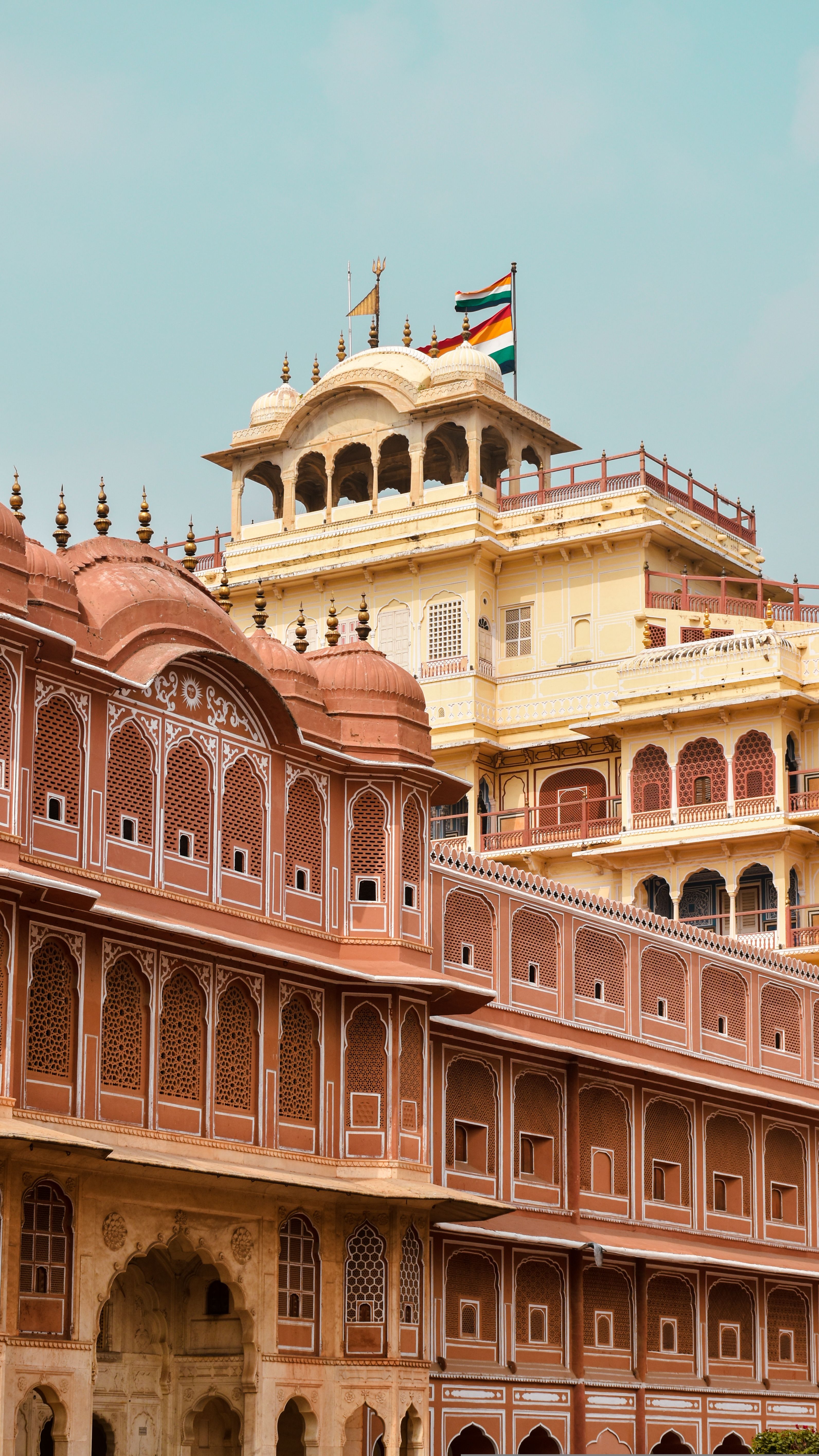
- Jaipur is the pink-walled capital, with Amer Fort, the City Palace, Hawa Mahal and great bazaars.
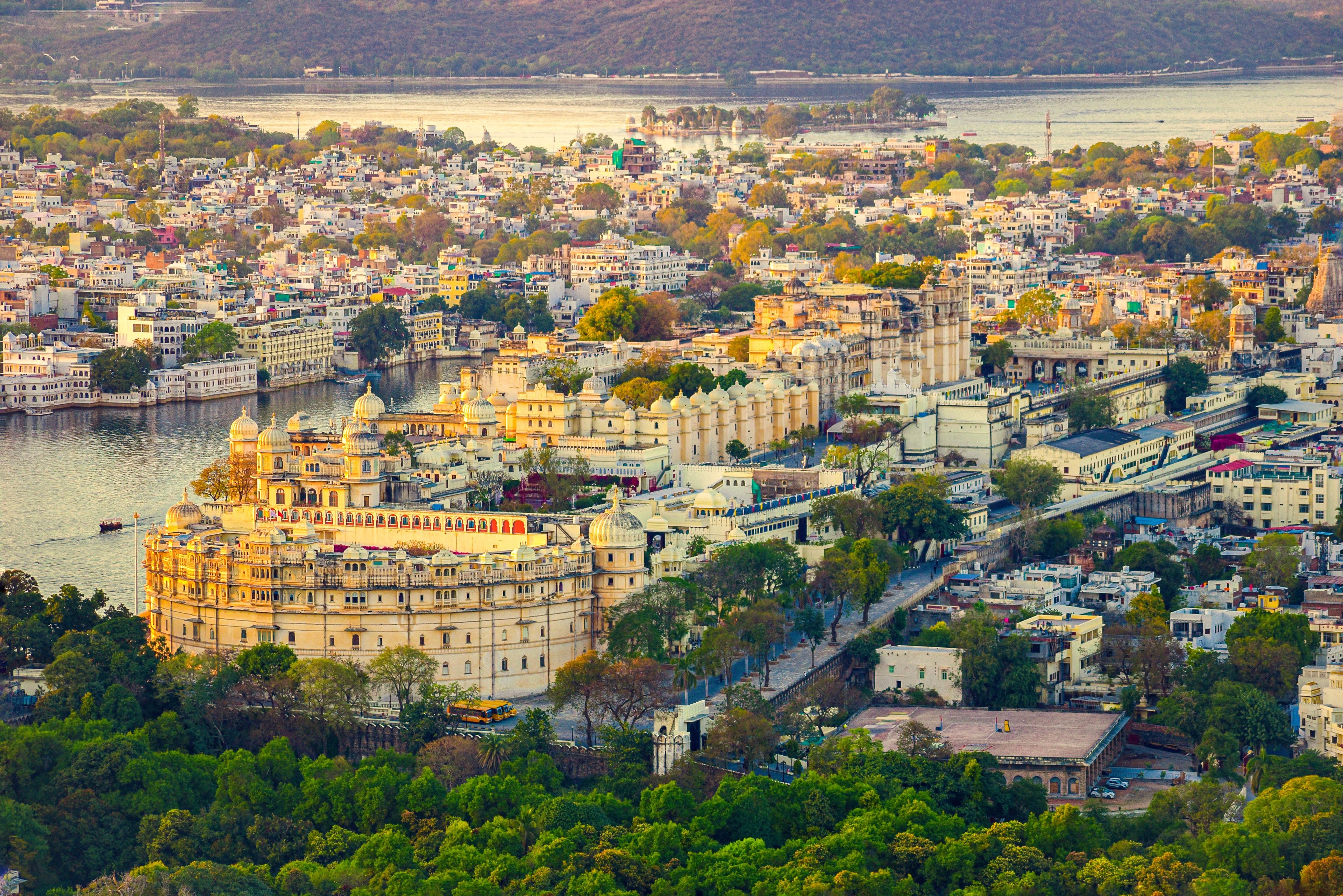
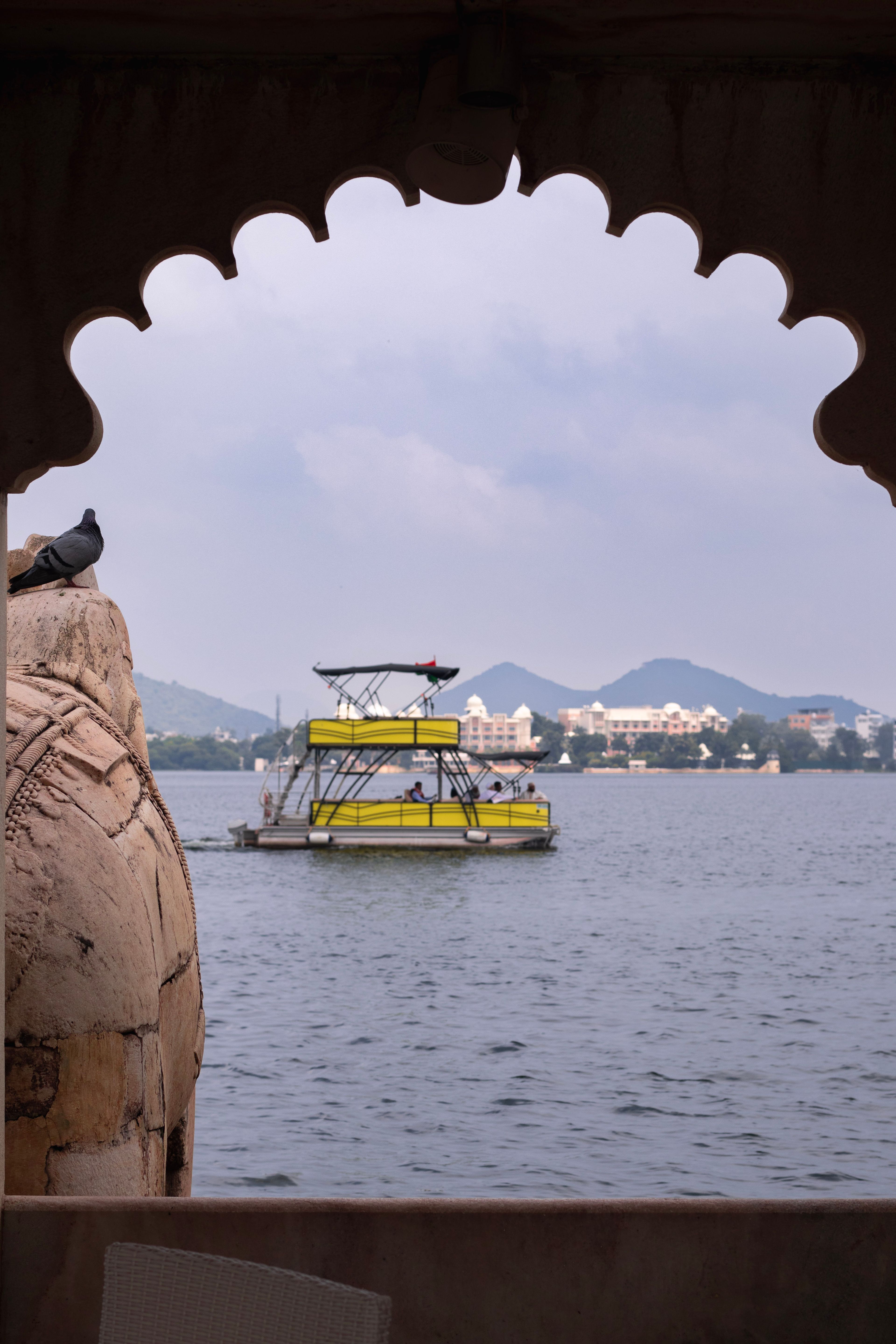
- Udaipur is the lake city, softer and more romantic, with the City Palace, Lake Pichola and old havelis.
- Jodhpur is the blue city under the vast Mehrangarh Fort.
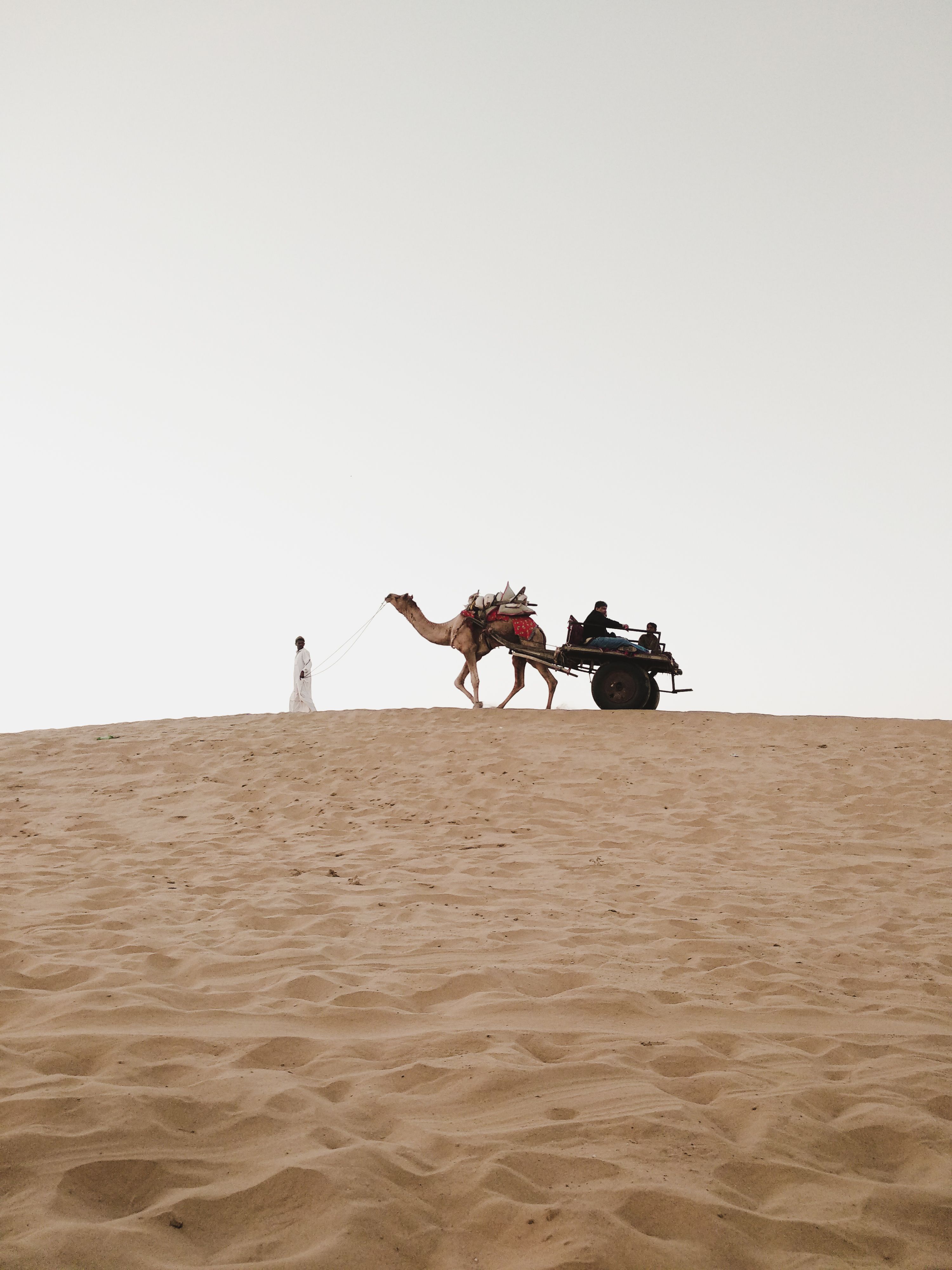
- Jaisalmer is the golden fort town on the edge of the Thar, with dunes and desert camps nearby.
- Pushkar and Ajmer are the pilgrim towns, with a sacred lake, a rare Brahma temple and the Dargah of Khwaja Moinuddin Chishti.
Ranthambore adds wildlife: a tiger reserve with a ruined fort inside it, usually two or three hours from Jaipur.
The classic circuits
The Golden Triangle links Delhi, Agra and Jaipur, and is the quickest introduction to north India: five or six days, with the Taj Mahal, Agra Fort and Jaipur's sights. See our Golden Triangle tour.
Royal Rajasthan runs Jaipur, Jodhpur, Jaisalmer and Udaipur in a loop of eight or nine days, with a night in a desert camp and time to see forts, palaces and lakes. Our Royal Rajasthan circuit follows it.
Jaipur and Udaipur is the short, popular pairing for couples and families, often done with a flight or train between the two. See the Jaipur and Udaipur honeymoon plan.
Desert and forts focuses on Jodhpur and Jaisalmer for travellers who want landscape and fortress cities over bazaars; see Desert and forts.
Wildlife add-on. Ranthambore fits between Delhi or Jaipur and the rest of the trip, and works well for families; see the Rajasthan family holiday with Ranthambore.
How far apart things are
Road distances are the single biggest planning factor. These are approximate and assume normal traffic.
| Route | Distance | Usual drive time |
|---|---|---|
| Delhi to Jaipur | about 270 km | 5 hours |
| Jaipur to Pushkar | about 145 km | 3 hours |
| Jaipur to Jodhpur | about 340 km | 6 hours |
| Jodhpur to Jaisalmer | about 285 km | 5 hours |
| Jodhpur to Udaipur | about 260 km | 5 hours, via Ranakpur |
| Udaipur to Jaipur | about 400 km | 6.5 to 7 hours |
| Jaipur to Ranthambore | about 180 km | 3.5 hours |
| Jaipur to Agra | about 240 km | 4 to 4.5 hours |
Because of these distances we usually recommend one of three things: keep the loop to three or four cities, use a train or a short flight for the longest sector, or add a night at a midway stop such as Ranakpur or Pushkar so that no day is more than four or five hours on the road.
When to go
| Months | What it is like | Suits |
|---|---|---|
| October | Warm days, cooler evenings, post-monsoon green | Early-season travel, festivals such as Diwali |
| November to February | Clear, mild days, cold desert nights | Peak season for heritage hotels, camps, fairs |
| March | Warming up, Holi and Gangaur festivals | Colourful festivals, fewer crowds |
| April to June | Very hot, often above 40 degrees | Only for travellers prepared for the heat |
| July to September | Monsoon showers, green hills, humid | Udaipur lakes, fewer tourists, lower rates |
The peak weeks fall between late November and the end of January. Our best time to visit Rajasthan guide covers each month, and Rajasthan weather month by month explains the temperatures and what to pack.
Planner's note: The Pushkar Camel Fair, the Jaipur Literature Festival in January and the Jaisalmer Desert Festival in February all push hotel rates up and book out the best properties months ahead. If a festival is the point of your trip, book early.
Forts, palaces and havelis: what is the difference?
Visitors often wonder why a trip has "so many forts". They are not all the same.
- Hill forts such as Amer, Mehrangarh, Kumbhalgarh and Ranthambore were military fortresses, and several are UNESCO World Heritage Sites as the "Hill Forts of Rajasthan".
- City palaces, like those in Jaipur and Udaipur, are part museum and part royal residence, with courtyards, galleries and some still lived in.
- Havelis are merchant houses with painted walls, courtyards and carved balconies, found in Jaisalmer, the Shekhawati region and across the state. Some are now hotels or museums.
- Lake palaces and pleasure gardens were built for rest and entertainment, and give Udaipur much of its character.
A good itinerary picks one or two of each kind, not all of them. Our guides to Amer Fort, Mehrangarh and Jaisalmer Fort explain what is distinctive about each.
Rajasthan for different kinds of traveller
Couples usually prefer Udaipur and a lake palace night, with Jaipur for sightseeing and perhaps a desert camp. Families do well with Jaipur, Ranthambore and Udaipur, with short drives, a pool at the hotel and one fort per day. Friends and groups often take the desert circuit, with a camel ride, folk music and a camp night. Senior travellers should choose fewer cities and book hotels with lifts and car access to the main sights. Photographers will want sunrise at a fort, a blue lane in Jodhpur, the Pushkar ghats and the golden hour in Jaisalmer.
Food, shopping and festivals
Rajasthani food is rich, spicy and, for many dishes, vegetarian. Dal baati churma, gatte ki sabzi, ker sangri, laal maas, pyaaz kachori and ghewar are worth trying. Our Rajasthani food guide covers what to order. Shopping is also a draw, with block-printed textiles, blue pottery, jewellery, leather and miniature paintings; see the shopping guide before you buy.
Festivals include the Pushkar Camel Fair in November, Diwali, the Jaipur Literature Festival in January, the Jaisalmer Desert Festival in February, Gangaur and Holi in March, and Teej in the monsoon. Local dates change every year, so confirm them before planning.
Where to stay
Rajasthan has everything from budget guest houses to palace hotels. Heritage stays in havelis and converted forts give atmosphere, while modern hotels often offer better bathrooms, pools and air conditioning. For a first trip we suggest mixing the two: a palace or haveli in Udaipur or Jodhpur and comfortable modern hotels elsewhere. Check the category, recent photos, the walking distance to the main sights and whether the vehicle can reach the property, because some old-city hotels sit in narrow lanes.
Getting around
Private cars with drivers are the usual way to travel between cities, and they let you stop at roadside viewpoints and villages. Trains are quick on selected routes: a Vande Bharat connects Delhi with Jodhpur via Jaipur, and several other fast trains link the main cities. Within cities, auto-rickshaws, prepaid taxis and app cabs work in most towns. Our how to reach Rajasthan guide has details.
Safety, scams and responsible travel
Rajasthan is a heavily visited state, and most trips are trouble-free. Be alert to touts at stations and bus stands, and use prepaid taxis or hotel pickups. Agree prices before accepting rides, camel rides or guides. Be cautious in shops where a "friend" has taken you; the gem and carpet export schemes are a known scam. Dress modestly at temples, and ask before photographing people. Protect yourself from the sun, and carry water.
Think about the animals you meet. Elephant rides at Amer Fort remain controversial, camel and horse rides should only be done with well-treated animals, and wildlife safaris should be booked through official forest-department channels. Our travel tips and safety guide explains more.
Beyond the main circuit
Once you have seen the big five, Rajasthan keeps giving. Bikaner has a fine fort, a camel-breeding farm and the rat temple at Deshnok, and is known for its snacks and sweets. Chittorgarh has the biggest fort in the state, steeped in Rajput history. Bundi, a small, blue-washed town of stepwells and faded frescoes, is a favourite of travellers who want a quieter alternative to Jaipur. Mount Abu, the state's only hill station, offers cool air and the beautiful Dilwara Jain temples. Shekhawati is a region of painted havelis, and Bharatpur's Keoladeo National Park is one of India's best bird sanctuaries from November to February. These add days, so they suit second visits or longer itineraries, and we are glad to build them in.
Practical details people forget
Carry a government photo ID for every traveller, because hotels and some monuments ask for it. Keep a light scarf for temples and the sun, and bring small notes for tips and entrance fees. Phone coverage is good in cities but patchy in the desert, so download maps in advance. Many palace hotels are in narrow lanes where cars cannot reach the door, so ask about the last stretch and how luggage is carried.
Costs to expect
Costs in Rajasthan vary more with the season and the hotel category than with the route. Heritage hotels can cost many times a standard hotel for the same city, and festival weeks are especially expensive. Entry tickets, camel rides, safaris and meals are often paid on the spot. Our Rajasthan trip cost guide shows how a quote is built.
How we plan Rajasthan trips
We start with a conversation about who is travelling, how many days you have and what you enjoy. Then we propose a route that respects the distances and the season, name the stays and vehicles, and write down what is included and what you pay locally. You review the quote, change what you like and confirm only when it works. There is no fee to start. Browse our Rajasthan tour packages, read the first-time visitor guide, or share your dates and group and we will draft a plan.