Short answer
Rajasthan is a well-visited, tourist-friendly state. The main issues are heat, touts and commission scams, aggressive selling and animal-welfare concerns. Plan sightseeing around the heat, use trusted transport and guides, dress modestly at religious sites and avoid gem or carpet resale schemes.
On this page 14 sections
Rajasthan welcomes millions of visitors each year, and most have a trouble-free trip. The problems that do occur are fairly predictable, and most can be avoided. This guide covers the main issues and gives practical advice for staying safe and being a thoughtful visitor.
Heat and health
The sun is strong at any time of year, and summer temperatures are dangerous. Drink plenty of water, wear a hat, use sunscreen and avoid being outdoors in the middle of the day from April to June. Carry oral rehydration salts, and recognise the signs of heat exhaustion: dizziness, headache, nausea and heavy sweating. Eat at busy places, avoid raw salads if your stomach is sensitive and carry hand sanitiser. Pharmacies are easy to find in cities, and hotels can call a doctor.
Common scams
Most Rajasthanis are honest and hospitable, but tourist hubs attract some opportunists.
- Touts at stations and airports who claim your hotel is closed, or offer cheap rides to hotels where they earn commission. Confirm with your hotel directly.
- The gem or carpet scam. A friendly stranger or driver brings you to a shop where you are encouraged to buy stones or carpets for resale abroad. This never works. Decline politely.
- Inflated rickshaw and taxi fares. Use meters, apps or prepaid counters, or agree a price before getting in.
- Fake guides and tickets. Use licensed guides with ID, and buy tickets at the official counter or online.
- "Free" tours and gifts that lead to pressure to buy.
If something feels wrong, walk away and go to a well-known hotel or restaurant.
Animal welfare
Rajasthan has many experiences involving animals, and some raise welfare concerns.
- Elephants. Rides at Amer Fort remain controversial. A committee has recommended phasing them out, and many visitors prefer to walk or take a jeep.
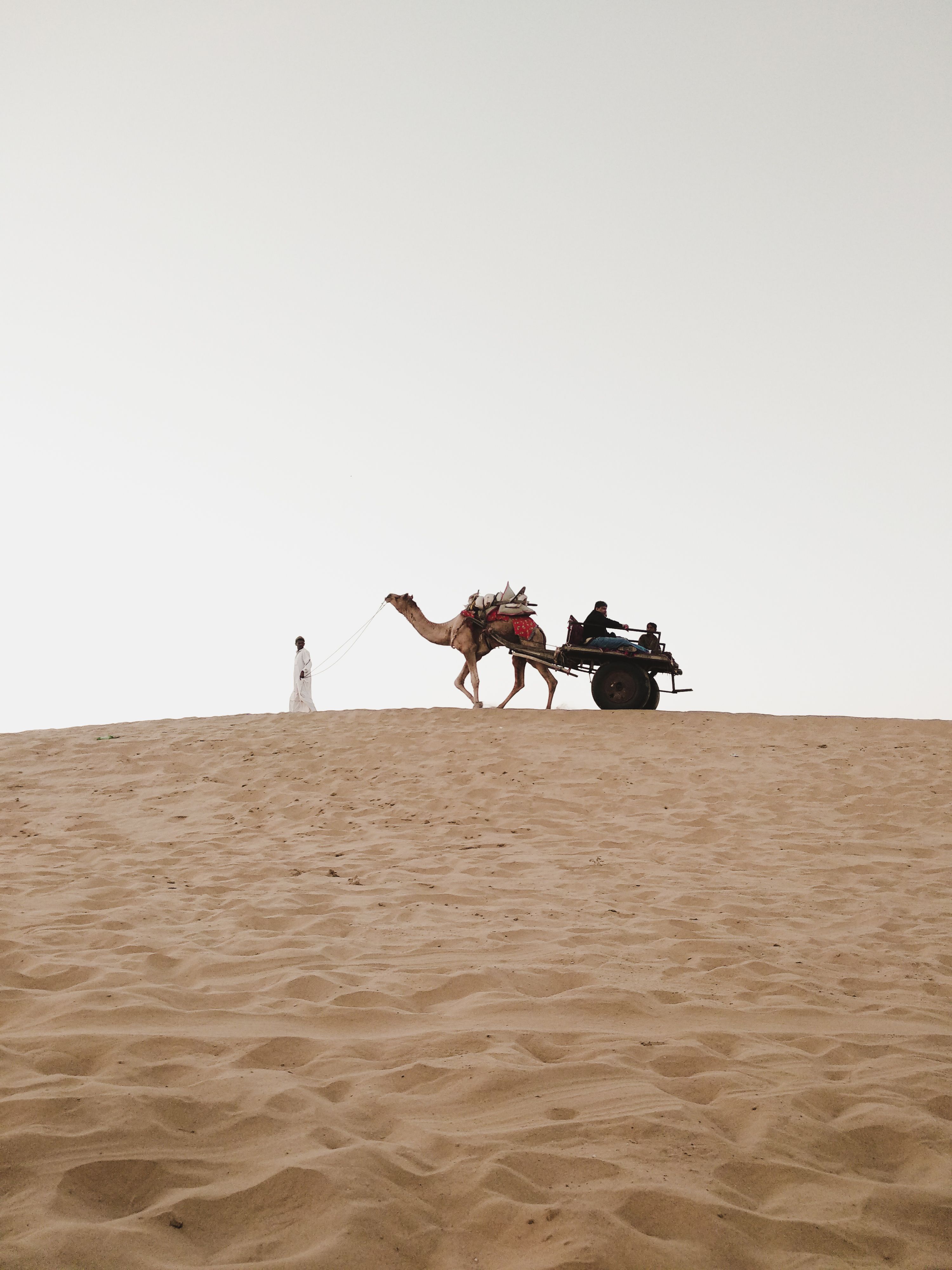
- Camels. Choose operators who rest and feed their animals, do not overload them and avoid forcing them to walk long distances in heat.
- Tiger safaris. Book through official channels, follow the park rules and keep a respectful distance. Avoid operators who push drivers to chase animals.
- Snake charmers and dancing bears are illegal and cruel. Do not support them.
Etiquette and dress
Rajasthan is conservative, especially away from the main tourist areas. Cover shoulders and knees at temples and in villages, remove shoes at religious sites and ask before taking photographs of people. Show respect at Jain temples, where leather items may be prohibited, and at Pushkar, where meat and alcohol are not allowed. Public displays of affection attract attention.
Women, families and solo travellers
Many women, families and solo travellers visit Rajasthan and enjoy it. Some women report unwanted attention in crowded areas, so basic precautions help.
- Choose hotels with good reviews and well-lit access.
- Avoid walking alone late at night in unfamiliar areas.
- Use registered taxis or apps, and share your trip details with someone.
- Dress modestly and carry a scarf for temples and sun protection.
- Trust your instincts, and be firm when you need to be.
Money and documents
Carry a government photo ID and a copy of your booking. ATMs are common in cities but less so in villages, so carry some cash. UPI works widely. Keep valuables in the hotel safe, and be careful in crowded bazaars.
Road and travel safety
Highway driving at night is risky because of trucks, animals and poor lighting. Cows, camels and tractors share the road in rural areas. Wear a seatbelt even in the back. Avoid very long drives in a day, and keep a buffer for onward flights.
Photography and monument rules
Photography is allowed at most monuments, though some charge a camera fee, and some interiors restrict it. Drones are banned at most heritage sites, and flying them without permission can bring fines. Do not climb on walls or touch frescoes.
In an emergency
India's single emergency number is 112, which connects to police, fire and ambulance services. The Ministry of Tourism's tourist helpline is 1363. Save your hotel's number and your planner's number. If something goes wrong on a booked trip, call us and we will help coordinate with hotels and drivers.
Dealing with persistent sellers
Sellers in Rajasthan can be very persistent, especially around forts and bazaars. A calm, polite "no, thank you" and a smile usually works; if not, keep walking and do not engage. Avoid eye contact with touts, and do not accept anything "free" unless you are ready to pay. A simple response such as "maybe later" is easily misunderstood, so be clear.
Staying connected
Mobile networks cover cities and highways well, but may be patchy in the desert and the hills. Download offline maps and tickets before you leave, and carry a power bank. Keep copies of your ID and bookings on your phone.
Health and hygiene
Carry a basic medical kit with antacids, rehydration salts, antiseptic, plasters and any regular medicines. Wash your hands often and drink only bottled or filtered water. If you have stomach troubles, rest and hydrate; consult a doctor if symptoms persist.
Be a responsible traveller
Carry your waste with you, especially at forts, lakes and desert camps. Use water sparingly in dry towns such as Jaisalmer. Buy crafts from artisans and pay a fair price. Respect local customs and people.
Plan with confidence
Safety is mostly about planning. Our Rajasthan tour packages include private transfers, vetted hotels and clear information. Tell us what you need and we will plan around it.
Practical tips
- Start sightseeing early and drink plenty of water, especially in warm months.
- Use prepaid taxis, apps or hotel pickups, and agree prices in advance.
- Avoid gem, carpet or antique resale schemes; they are a well-known scam.
- Think about animals: avoid elephant rides and choose ethical camel and safari operators.
- Save emergency numbers and share your plans with someone.