On this page 10 sections
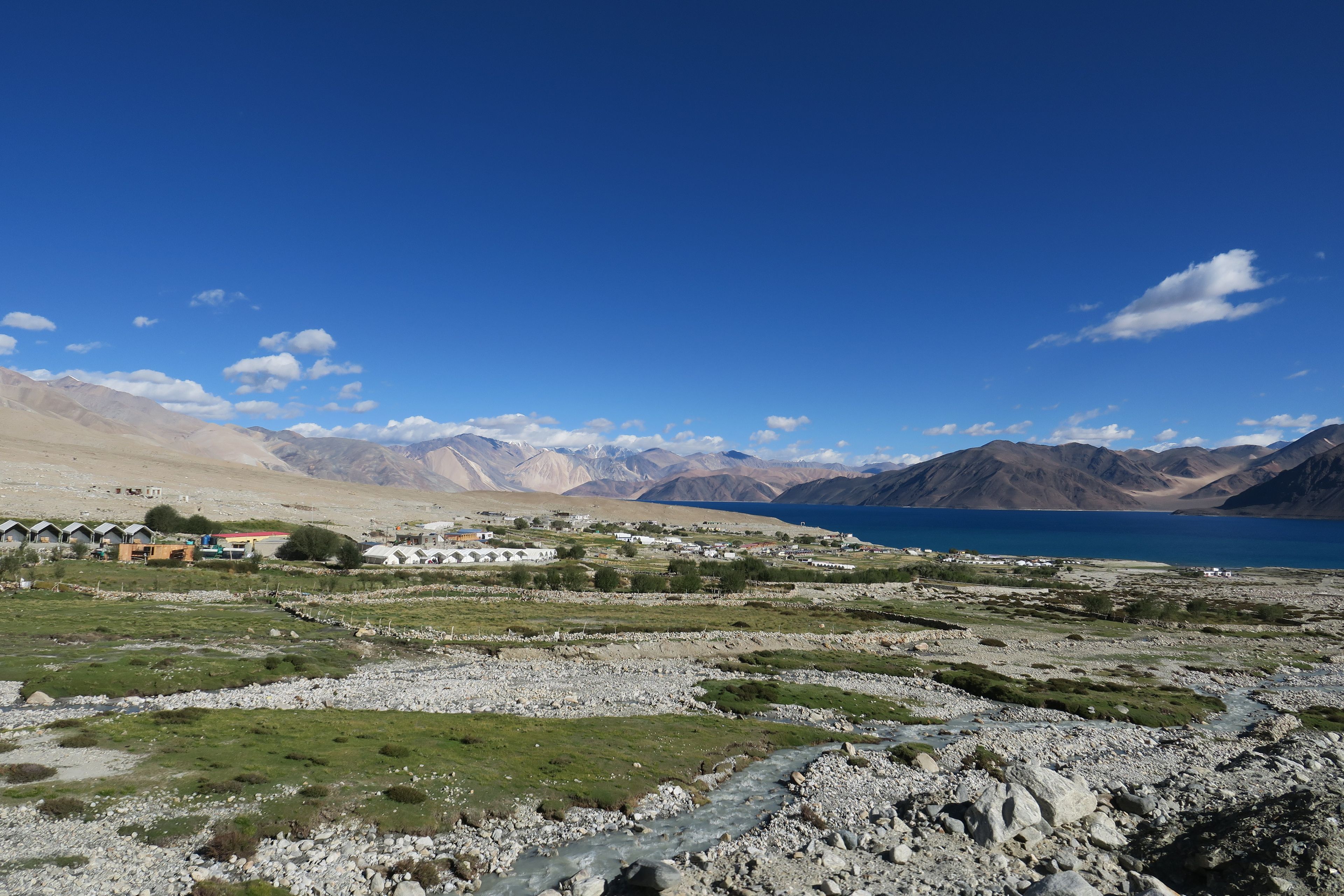
Korzok is a small village, one of the highest permanent settlements in the world, on the north-west shore of Tso Moriri. Its flat-roofed houses cluster below a monastery, with a barley field or two and herds of yaks and sheep. Beyond it, the lake stretches away in blue, and behind it rise brown mountains with snow on the peaks. It is a place of remarkable calm.
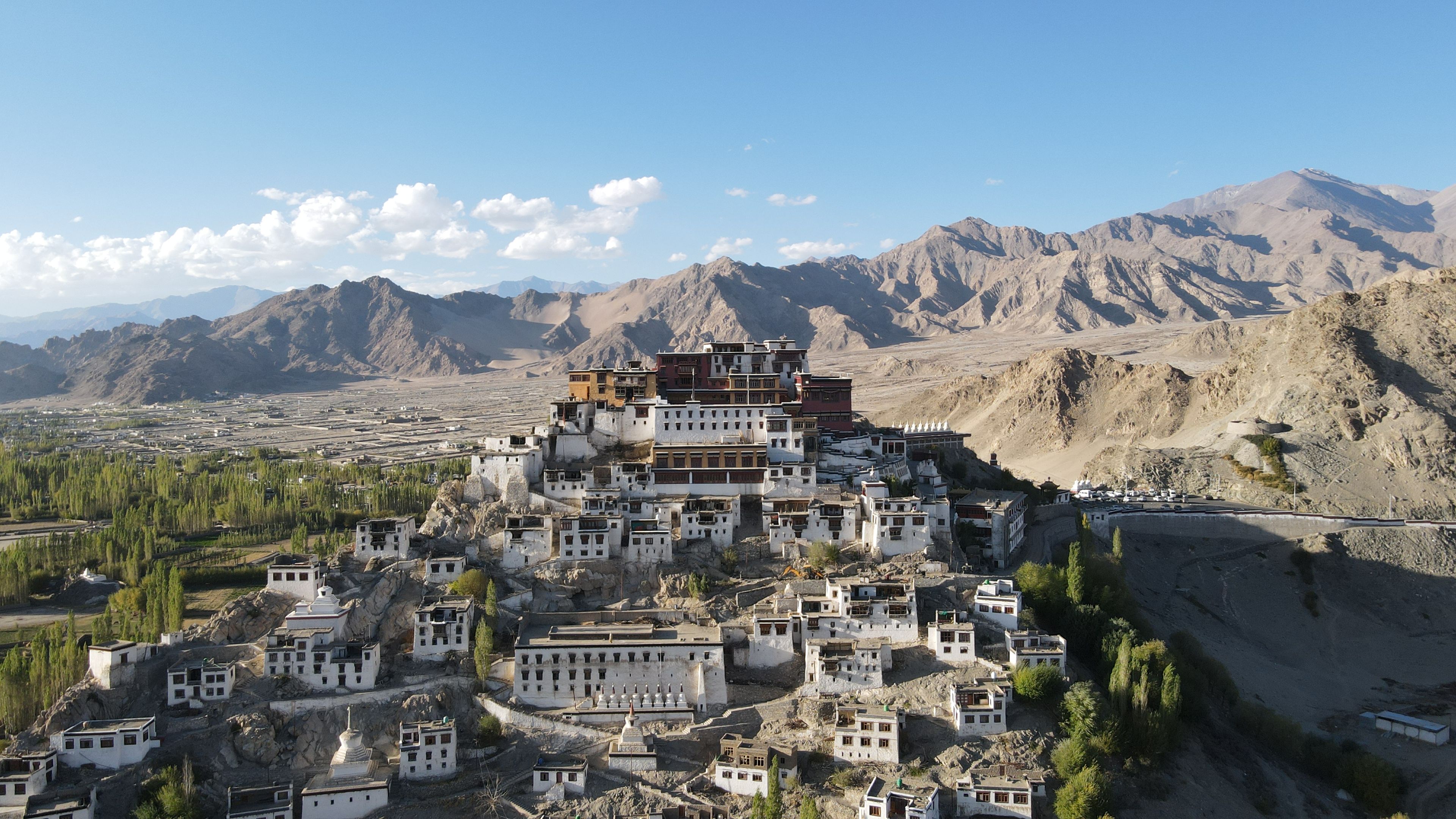
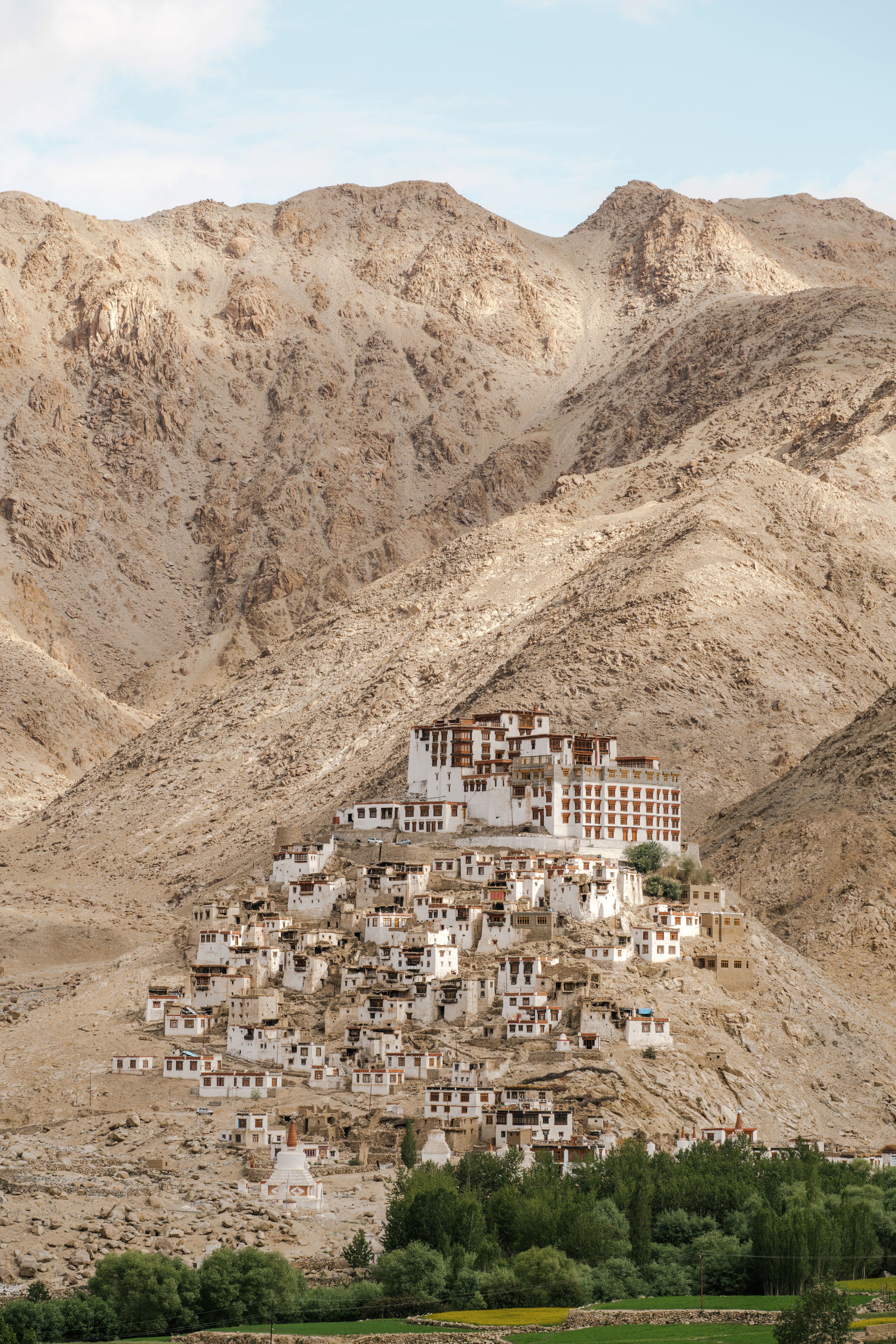
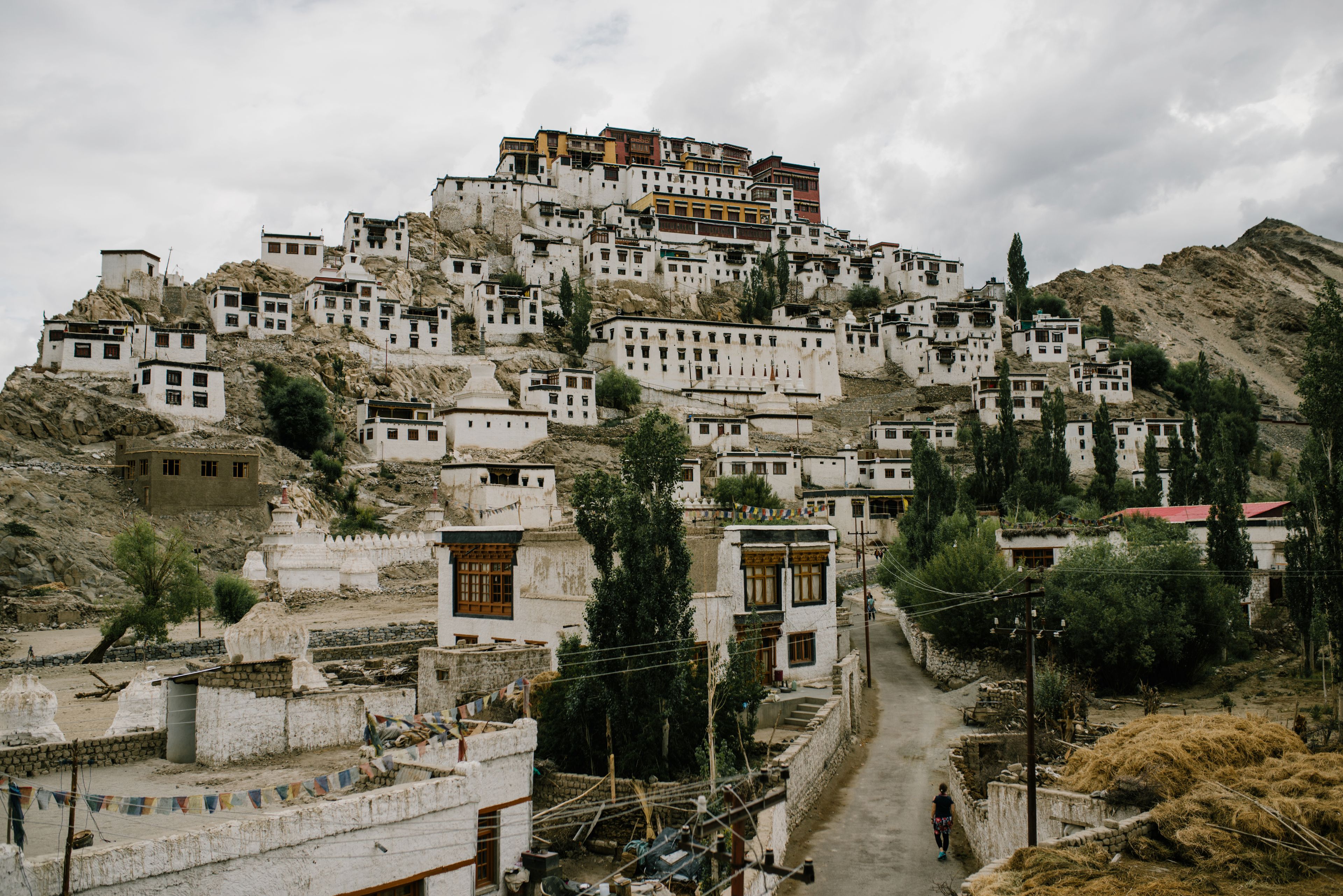
The village and the monastery
Korzok Monastery, at the edge of the village, is a modest gompa with a colourful assembly hall and a few monks. It is said to be around 300 years old. A summer festival, Korzok Gustor, draws people from across Changthang. Many villagers are Changpa nomads who migrate with their animals, and in summer you may see them tending yaks and pashmina goats.
The shore and the wetlands
Tso Moriri and its surrounding wetlands are a protected area. Walking along the shore at dawn or dusk brings you close to bar-headed geese, brahminy ducks, gulls and other waterbirds. Marmots whistle from burrows, and kiang graze in the distance. The lake colour is a deep, rich blue in clear weather.
What to do
- Walk the shore for birdwatching.
- Visit the monastery with respect.
- Sit and watch the light on the mountains.
- Photograph the nomads' tents and herds, with permission.
- Stargaze on clear nights.
- Take a short walk around the village.
Altitude and weather
Korzok sits at about 4,500 metres, and the weather can change quickly. Nights are freezing, even in summer. Acclimatise before you go, and carry warm clothes and plenty of water. Avoid strenuous walks. If you feel unwell, tell your guide and descend.
Camps and facilities
Camps at Korzok are basic: tents with beds and blankets, shared bathrooms and simple meals. Electricity is limited. There is no mobile signal or ATM. Bring cash, a torch, a power bank and warm sleeping gear.
Etiquette and responsible travel
- Dress modestly, and remove shoes in the monastery.
- Ask before photographing people.
- Do not disturb nesting birds or approach wildlife.
- Do not litter; carry waste back.
- Support local families through homestays and purchases.
- Keep noise low, particularly at night.
Best time to visit
June to September is the main season. The best months for birds are June to August. Late summer brings clear skies and good light. In May and October, the lake is cold, and some facilities are closed.
Practical tips
- Plan at least one night to enjoy sunrise and sunset.
- Carry snacks and water for the long drive.
- Keep your documents handy for checkposts.
- Wear sunglasses and sunscreen.
- Bring binoculars if you have them.
- Be patient with the pace; the journey is part of the trip.
Who it suits
Nature lovers, photographers and travellers who like remote places. It is not ideal for those with health issues or those who need comfort.
Plan it with us
See the Tso Moriri and Hanle guide and the Ladakh lakes and passes plan, or ask us for a custom plan.