Short answer
For a first visit, plan five to seven days, base yourself in Srinagar, add Gulmarg and Pahalgam, and add Sonamarg if you have time. Choose the season by what you want to see, expect a few local costs on the spot, and leave a buffer day.
On this page 15 sections
- 1. Decide when you can go
- 2. Choose how many days
- 3. Pick your starting point
- 4. Choose your base and your stays
- 5. Understand the local rules
- 6. Plan money and network
- 7. Pack for the season
- 8. Check conditions before you go
- Money matters
- Etiquette and local customs
- What to book first
- Questions people ask us most
- Common first-timer mistakes
- A sample first-timer plan
- What to ask your travel planner
If this is your first time in Kashmir, you do not need to see everything. You need a plan that fits your time, your group and your season. This guide sets out the decisions to make, in the order that matters.
1. Decide when you can go
Season shapes everything. Spring means blossom and tulips, summer means meadows and families, autumn is calm and golden, and winter is for snow. Check our best time to visit guide, and if your dates are fixed by school holidays, book early.
2. Choose how many days
- 3 days: Srinagar and one hill day, usually Gulmarg.
- 5 days: Srinagar, Gulmarg and Pahalgam. Our 5-day itinerary shows how.
- 7 days: The above plus Sonamarg and Doodhpathri, with spare time. See the 7-day itinerary.
3. Pick your starting point
Fly into Srinagar if you have less than a week. Start from Jammu if you travel by train or want a road loop, or combine with Katra and Vaishno Devi. Read how to reach Kashmir.
4. Choose your base and your stays
The best advice we can give first-timers is to resist changing hotels every night.
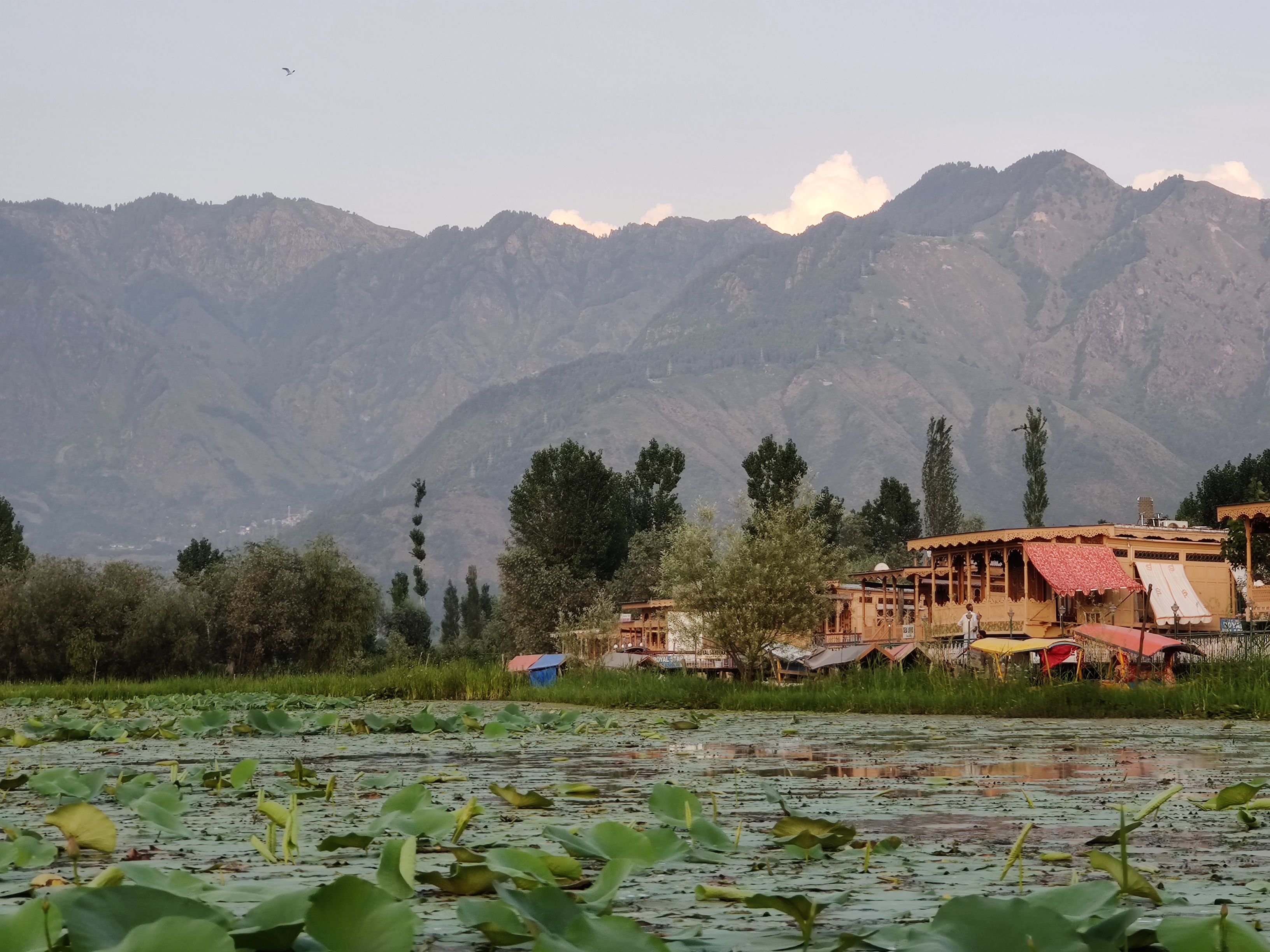
Srinagar is the hub. A houseboat for one night is a good experience; the rest of the time a hotel with heating and good reviews will serve you better. In Pahalgam, a riverside hotel is a good choice. In Gulmarg, book early for winter.
5. Understand the local rules
Local union cabs and ponies are paid on the spot in Pahalgam, Sonamarg and parts of Gulmarg. The Gulmarg Gondola is booked separately. Our local transport guide explains each.
6. Plan money and network
Cards and UPI work in hotels and bigger shops, but cash is needed in the hills. Postpaid SIMs work; prepaid from other states usually do not. Download maps offline.
7. Pack for the season
Layers are the answer. See what to wear in Kashmir.
8. Check conditions before you go
Look at road, weather and official updates a few days before leaving, and read our safety guide.
Money matters
Budgeting for a first trip is easier when you separate three buckets: the package price you pay in advance, the local costs you pay on the spot, and your own spending on shopping, food and tips. Carry a mix of payment methods. Hotels, larger restaurants and shops in Srinagar accept cards and UPI, and ATMs are available in Srinagar, Pahalgam and Gulmarg. In the hills, signal can fail, so bring cash for ponies, local taxis, entry tickets, snacks and tips. A common planning figure is to keep a few thousand rupees per person in small notes for the local costs of a five-day trip, more if you plan the Gondola and shopping. Keep cash split between bags.
Etiquette and local customs
Kashmiris are known for hospitality, and a little courtesy goes a long way. Greet people with a smile, ask before photographing individuals, and accept offers of tea graciously when they come. Dress modestly in shrines and mosques, remove shoes where required and keep your voice low. Alcohol is not widely available and public consumption is frowned upon. During Ramzan, be considerate about eating and drinking openly in conservative areas. Avoid political discussion with strangers unless the other person raises it.
What to book first
Book in this order: flights or trains, the houseboat and key hotels (especially for Gulmarg in winter), the Gondola tickets once dates are fixed, and then local cabs through your planner. Keep restaurants and small activities flexible. If you are booking through MyWishTour, we sequence these steps for you and tell you when each one should be confirmed.
Questions people ask us most
- Can I do Kashmir in three days? You can see Srinagar and Gulmarg, but it will feel rushed. Five days is a better minimum.
- Do I need a guide? For standard sightseeing, a driver and local operators are enough. Treks need a registered local guide.
- Is Kashmir good for vegetarians? Yes, with a little planning; see our hub page for food notes.
- Can I use my phone? Postpaid works; prepaid from outside the Union Territory usually does not.
- What if it rains or snows? We keep one flexible day and adjust the order of activities.
Common first-timer mistakes
- Trying to see everything. Three hill stations in three days leaves you tired and in a car.
- Ignoring the season. Expecting snow in May or flowers in January.
- Tight connections. Booking a flight the evening after a highway day.
- Not asking what is excluded. Local cabs, ponies and tickets surprise many travellers.
- Choosing on price alone. Cheap deals often compromise hotels or transport.
- Forgetting ID. Every adult needs a government photo ID.
- Underpacking for cold. Even June evenings in the hills need a jacket.
A sample first-timer plan
Fly into Srinagar. Spend two nights in the city with a houseboat night, one day in Gulmarg, one night in Pahalgam, and return to Srinagar for departure. That is our Kashmir family holiday, and the romantic couple package follows the same logic for two.
What to ask your travel planner
Ask what is included, what is not, which hotels or categories are proposed, how long each drive is, what the cancellation terms are and what happens if the weather changes. A good planner will answer in writing.
When you are ready, share your dates and group and we will draft a plan.
Practical tips
- Choose your dates first, since season decides hotels, activities and what is open.
- Pick a realistic number of places; two nights in each base is more relaxing than one.
- Check which costs (Gondola, ponies, local cabs) are paid on the spot.
- Carry ID, cash and a postpaid SIM if you need mobile service.
- Leave a spare day for weather and road delays.