On this page 5 sections
The Shankaracharya Temple stands on a hilltop above Srinagar and is one of the oldest shrines in Kashmir. It is dedicated to Lord Shiva, sits on a stone plinth reached by a long flight of steps, and offers the widest view of the city, Dal Lake and the valley beyond. Even if you are not visiting for religious reasons, the outlook alone makes it worth an hour.
What to expect
The road up the Zabarwan hill ends at a parking area, where there is a security check. The temple itself is a small stone structure with a circular sanctum, plain on the outside and simple inside. The atmosphere is quiet, and visitors usually spend most of their time on the viewing platforms around the temple.
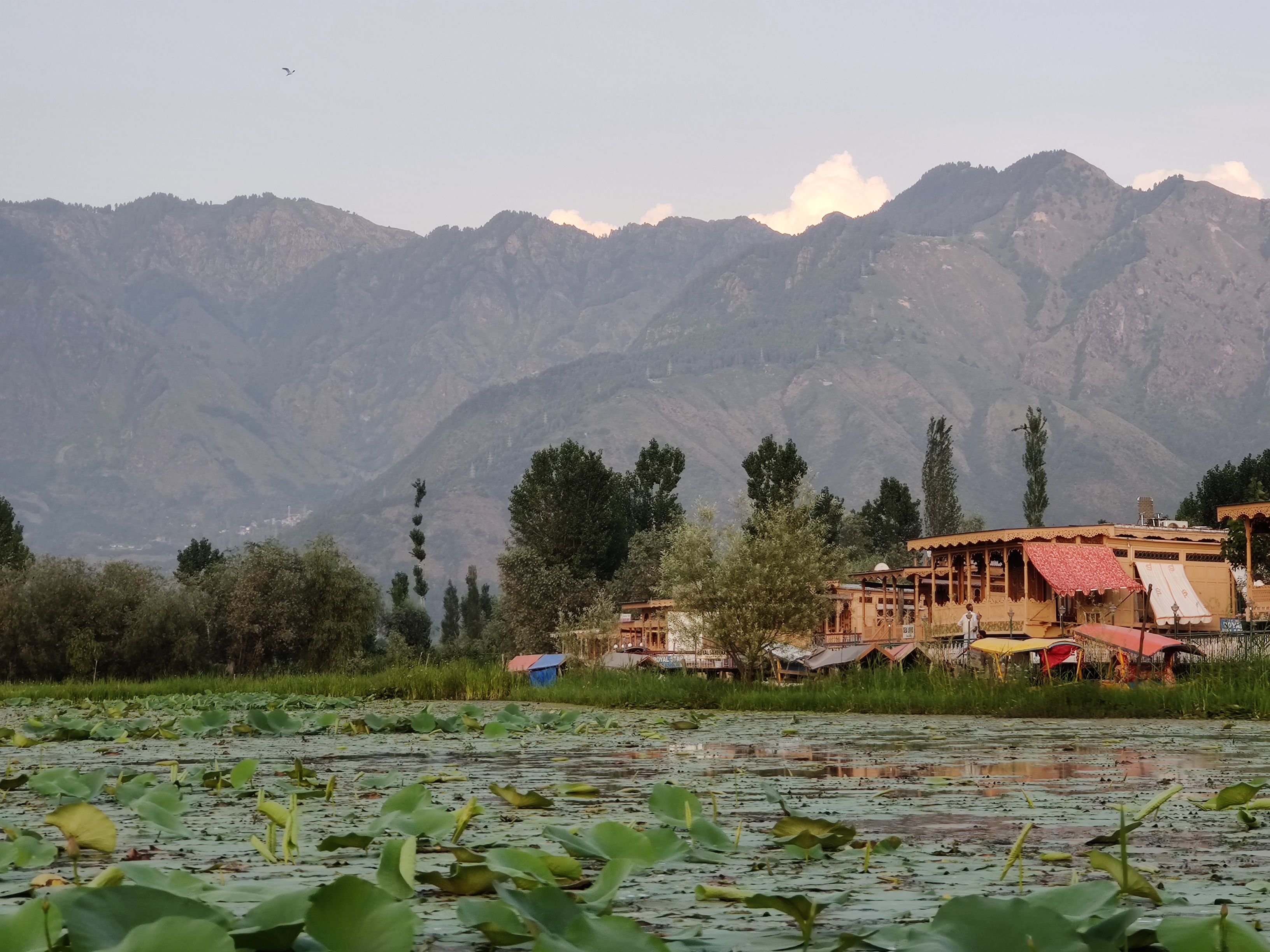
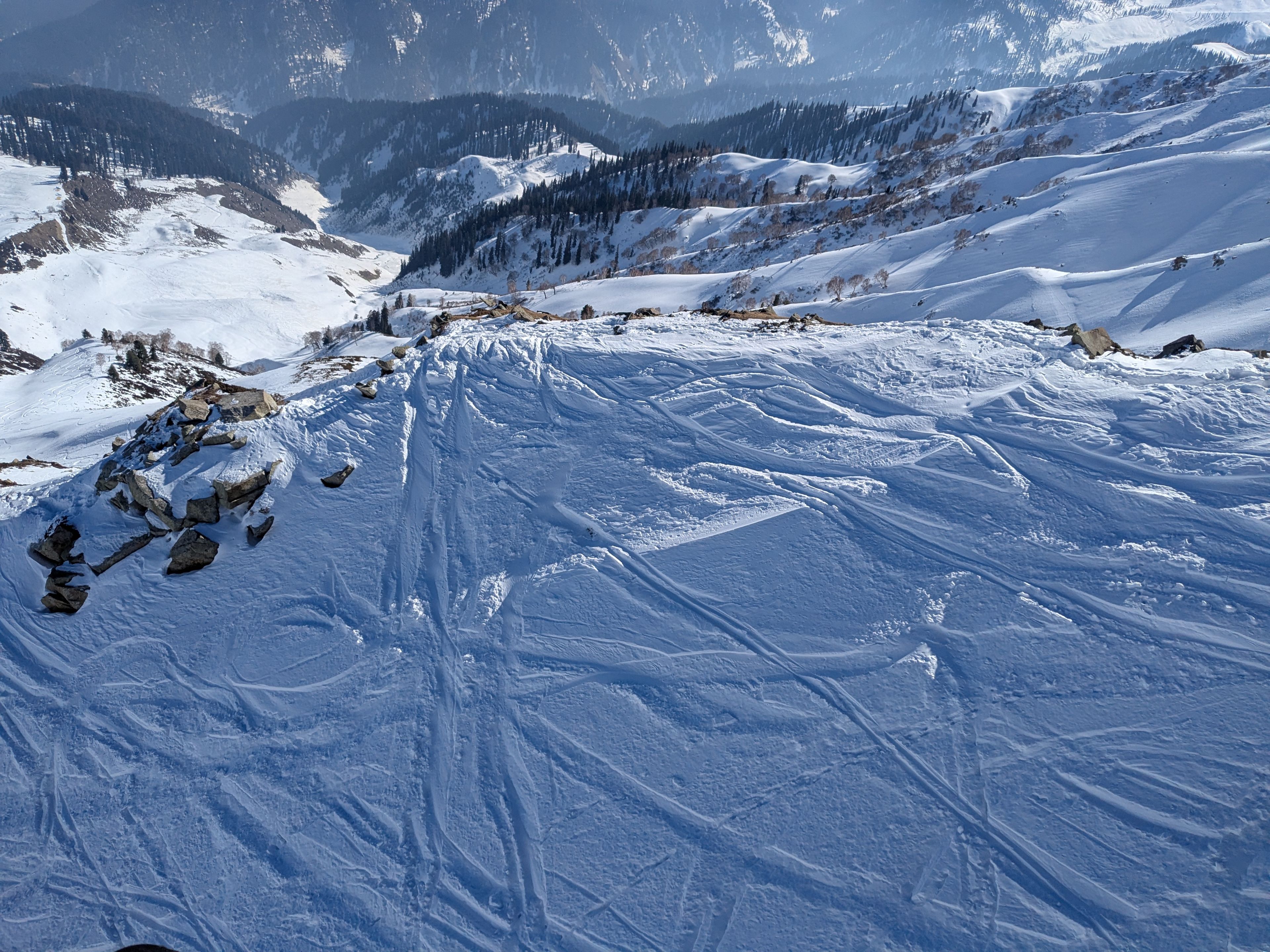
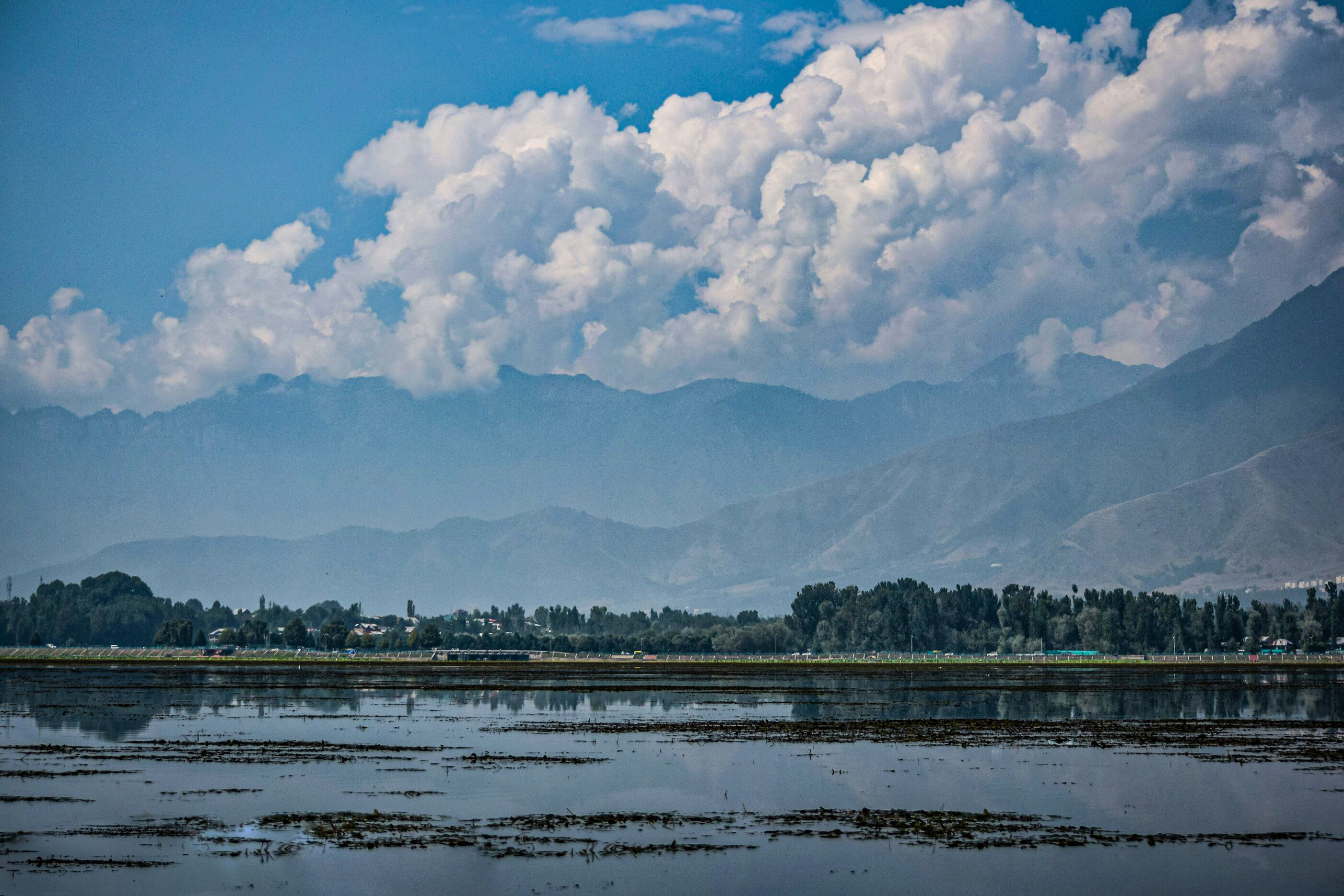
On a clear day you can see the whole of Dal Lake, the houseboats along Boulevard Road, the Jhelum winding through the city, and the Pir Panjal range on the far side. In winter the hill may have snow on its upper slopes and the access road can be icy.
Best time to go
Early morning and late afternoon give the best light and fewer people. Weekends and holidays attract larger crowds. The view is clearest after rain has settled the dust, and clouds can hide the lake completely on grey days.
Practical tips
- Security. Expect a checkpoint at the base. Carry government photo ID; phones, cameras and bags may be restricted or inspected, so travel light.
- The climb. The final stretch is a staircase. Take it slowly if you have knee or breathing difficulties; the road reaches close to the base of the steps.
- Footwear. Shoes are removed before entering the temple. Wear socks in cold weather.
- Respect. Dress modestly and keep your voice low inside.
- Timing. Allow 60 to 90 minutes including the drive up and down.
Photography and etiquette
The best photographs are of the view, not the shrine. Late afternoon light flatters Dal Lake and the surrounding hills, and winter mornings give a crisp outline of the Pir Panjal range. Inside the temple, follow the signs and the staff; photography is often restricted around the sanctum. Visitors of all faiths are generally welcome, but this is an active place of worship, so keep conversations low and avoid stepping on the plinth steps with shoes.
Fitting it into your trip
The temple pairs naturally with the Mughal Gardens as a morning plan, followed by a late-afternoon Shikara ride on Dal Lake. It features on our 5-day itinerary on the Srinagar sightseeing day. Prefer a slower plan, or travelling with older family members? Tell us and we will adapt the day.