Short answer
Private cabs handle the journeys between towns, but local sightseeing in Pahalgam, Sonamarg and parts of Gulmarg is done by locally registered taxis and ponies. These are paid directly and are usually excluded from the package price.
On this page 12 sections
Getting around Kashmir is mostly straightforward, but there are a few local rules that surprise first-time visitors, and that cause confusion about what a package includes. This guide explains how each type of transport works, and why some costs sit outside the package price.
Private cabs for the main route
For travel between towns, a private cab or tempo traveller with a driver is the standard choice. It gives flexibility, space for luggage and the ability to stop for photographs. Vehicles range from sedans for couples to SUVs and tempo travellers for groups. A good driver is more than a chauffeur: they know the road conditions, the timing of checkpoints and when to leave to avoid traffic.
In packages, the cab usually covers the full route as per the itinerary, with driver allowance, toll and parking included.
Local union taxis
In some hill destinations, local sightseeing is run by taxi unions that operate only within a defined area. This is true in Pahalgam, Sonamarg and parts of Gulmarg. Outside vehicles can reach the town, but for local legs such as Betaab Valley, Aru Valley, Chandanwari or the approach to Thajiwas, you switch to a local, registered vehicle.
This system exists to share livelihoods among local drivers, and it is not unique to Kashmir. For you it means:
- A separate charge, paid on the spot.
- Fixed rates, usually posted on a rate list.
- A new vehicle and driver for the local leg.
Ask your operator for the current rates and see them listed in your quote. If a price seems off, check with your hotel.
Ponies and horse rides
Ponies are used at Thajiwas, Khilanmarg, Betaab and Aru, and on several meadow trails. Rates vary with distance and season. Agree the price, route and time with the handler before you start. For children, elders and anyone nervous of horses, ask for a handler to walk alongside, and check that the saddle and stirrups are secure.
Shikaras on Dal Lake
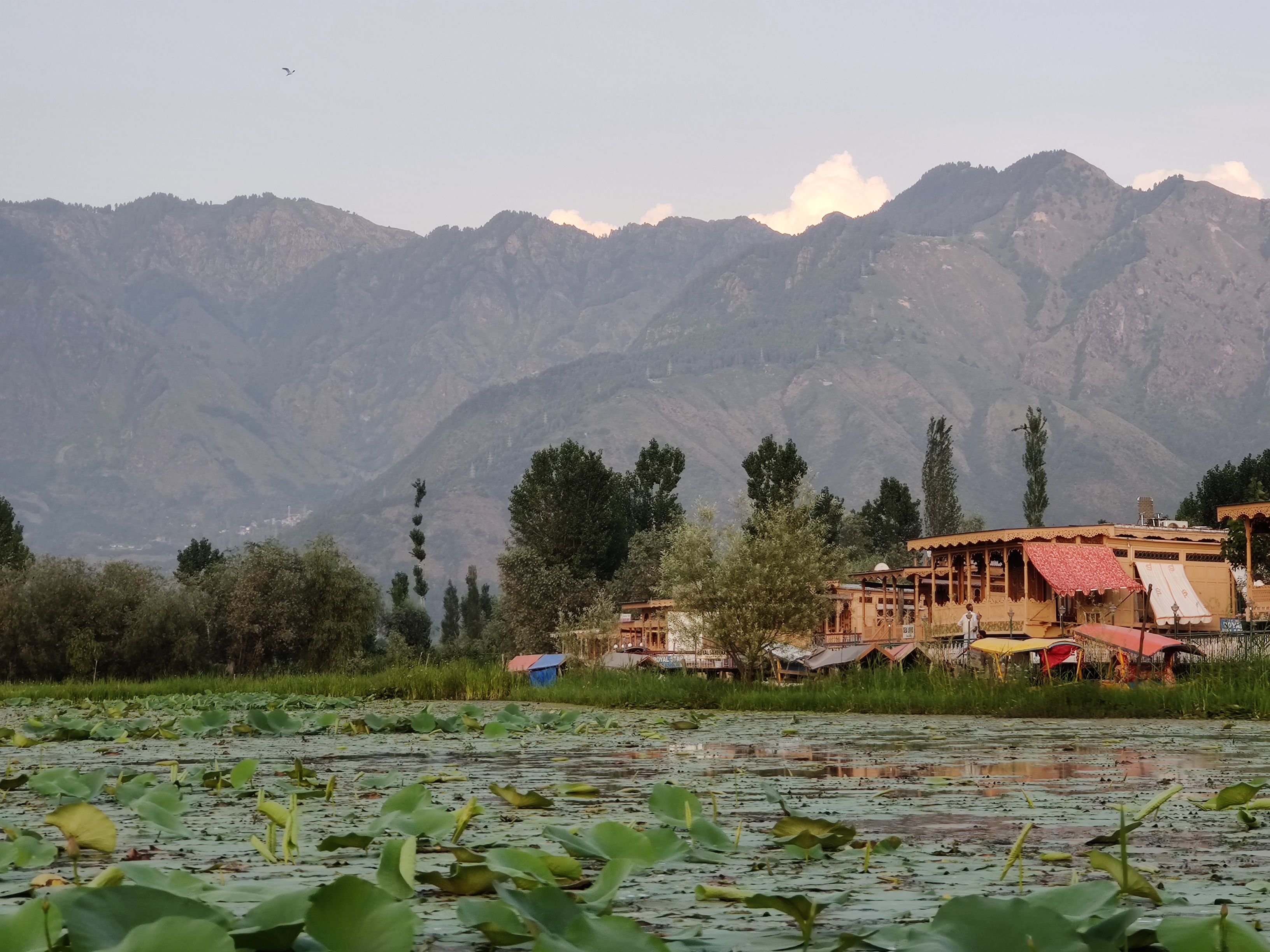
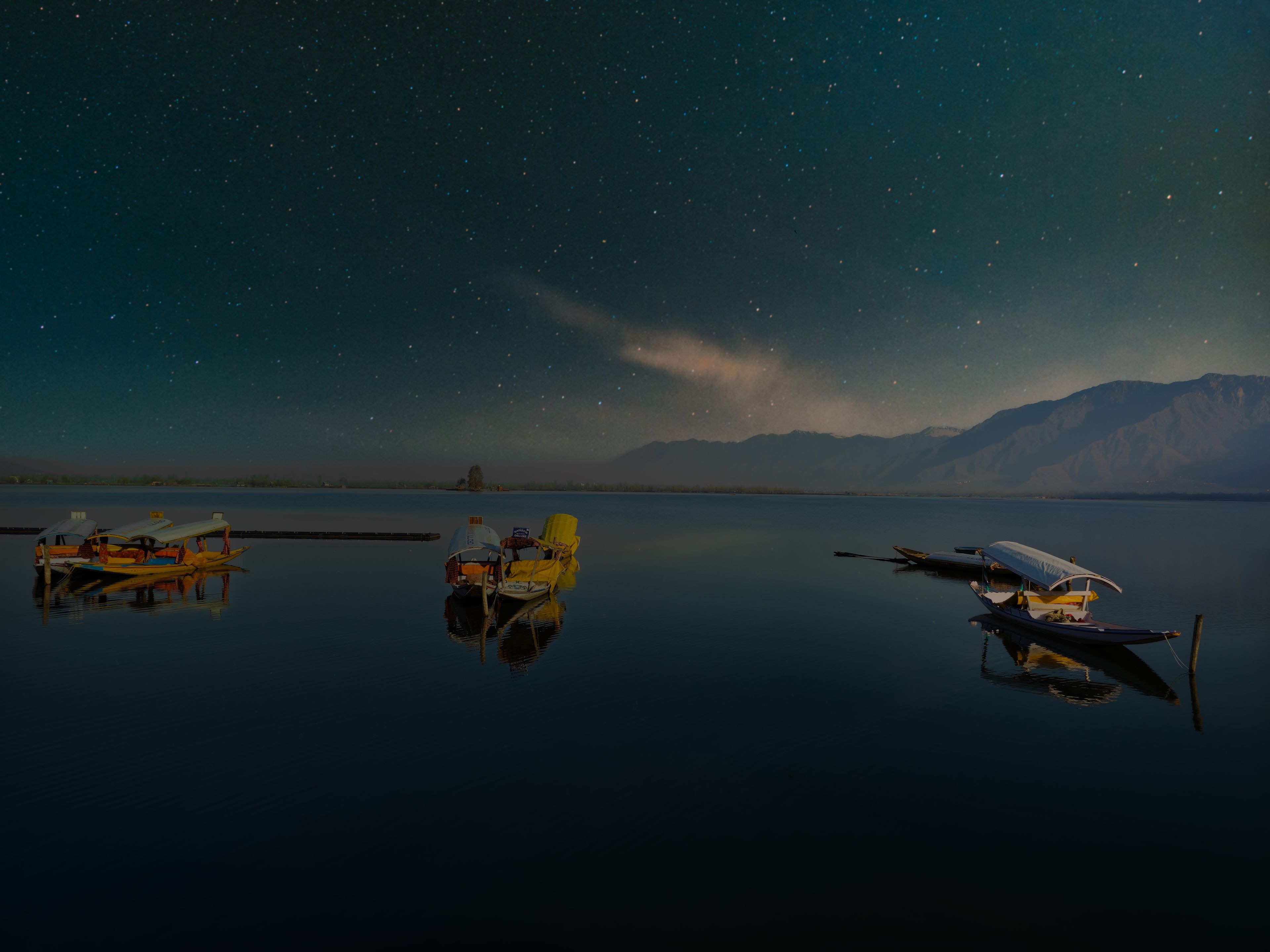
Shikara rides are priced per hour and usually come with a rate board at the ghat. Agree the duration and stops before boarding. Vendors may come alongside selling goods; you are free to decline.
The Gulmarg Gondola
The Gondola is run by a cable car operator, with tickets sold online by phase. Tickets are not usually part of packages, so you can pick your phase and slot. Bookings are time-slotted and weather-dependent.
Rail, flights and the highway
For the long-distance part of the trip, see how to reach Kashmir. A Vande Bharat connects Katra with Srinagar, and Srinagar airport has flights to major cities.
A sample Pahalgam day, step by step
To see how it all fits, here is how a typical day runs. Your hotel's driver drops you at the local taxi stand after breakfast. A registered local taxi takes you up to Betaab Valley, waits for an hour, and continues to Aru Valley and Chandanwari as per the day's plan, with a rate list agreed at the start. At Aru you may take a pony for a short stretch. Lunch is at a small restaurant, and the taxi returns you to the hotel by mid-afternoon. Total local cost is paid directly in cash or by UPI to the taxi and pony handlers, which is why it is listed as an exclusion.
Accessibility and comfort
Local taxis in the hills are often older and smaller than the vehicle you travel in between towns, so expect a bumpier ride and less luggage space. If someone in your group has back or knee problems, let us know so that we can ask for a suitable vehicle, and think about sightseeing choices that need less walking. For steep or slippery sections, ponies are available, and in snow, local sledges can be used where appropriate.
Mountain road safety
Hill roads in Kashmir are narrow, with sharp curves and drop-offs. A professional driver will keep speeds modest, give way on blind turns and avoid night driving on the hill roads. Wearing seatbelts matters, even in the back. Do not pressure your driver to hurry, and avoid distracting them with demands to stop on bends. In heavy rain or snow, accept their judgement; they know the road far better than a map does.
Tipping and etiquette
Tipping is not compulsory but is welcome for good service. Many travellers tip the driver at the end of the trip and offer smaller amounts to pony handlers, Shikara paddlers and hotel staff. Be polite when negotiating prices, avoid haggling beyond the posted rates and thank people when you are done. Local drivers are often the best source of tips about food, viewpoints and timing.
Choosing a vehicle
| Group size | Typical vehicle | Notes |
|---|---|---|
| 2 to 3 | Sedan | Limited luggage space |
| 4 to 6 | SUV or MPV | Comfortable for families |
| 7 to 14 | Tempo traveller | Good for groups, narrower mountain roads limit larger buses |
| 15 and above | Multiple vehicles or a coach on selected routes | Coaches cannot reach all hill locations |
Tips to avoid confusion
- Ask which transport is included and which is local.
- Keep cash in small denominations.
- Do not accept add-ons you did not request.
- Avoid last-minute changes to the route without checking road conditions.
- Tip fairly for good service.
Our packages list these costs clearly. See the Kashmir cost guide and the family holiday to see how it appears in a quote, or ask us a question.
Practical tips
- Confirm in writing which local legs are excluded from your package.
- Ask for the union rate list and keep small cash notes for ponies and taxis.
- Agree the pony price and route before you start; do not pay for add-ons you did not ask for.
- Choose vehicle size by luggage and road comfort, not only passenger count.
- Keep your driver's number and share your plan with your hotel each evening.