On this page 10 sections
Goa's heritage is concentrated in two places that sit close together: Old Goa, the former Portuguese capital, and Panaji, the present capital. Together they show a side of the state that has little to do with beaches, and they make an easy and rewarding day trip from either coast.
Old Goa
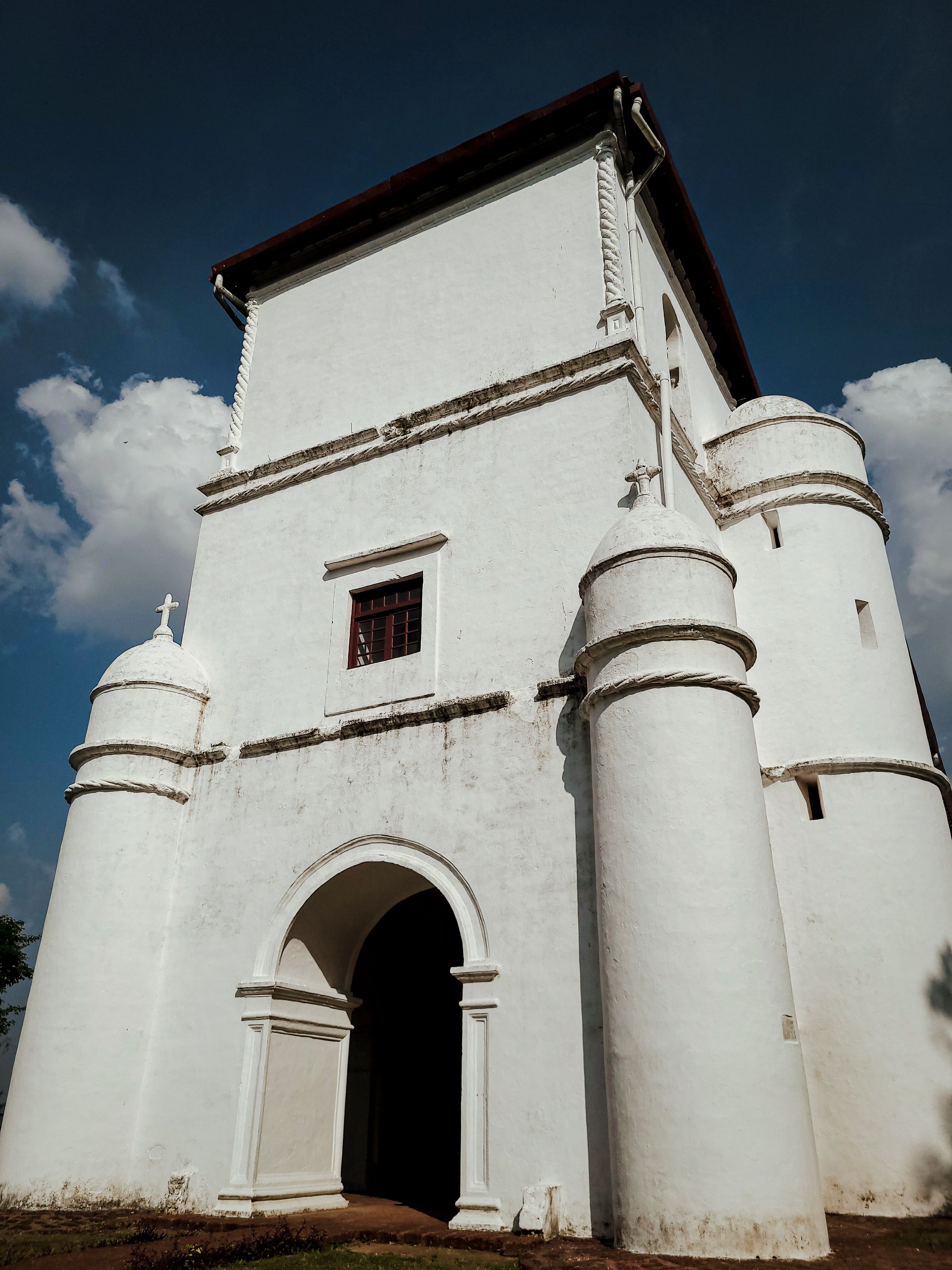
Old Goa is about 10 km east of Panaji, on the banks of the Mandovi. In the sixteenth and seventeenth centuries it was one of Asia's most important Portuguese cities. Most of it has since disappeared, but a group of churches and convents survives and is inscribed on the UNESCO World Heritage list. They are grouped close together and are active places of worship as well as monuments.
The most visited are the Basilica of Bom Jesus, which houses the remains of St Francis Xavier, and the Se Cathedral, among the largest churches in Asia. The Church of St Francis of Assisi, now home to a museum, and the Archaeological Museum are nearby.
Panaji
Panaji, or Panjim, is a small, orderly capital on the Mandovi river. Its most charming area is Fontainhas, the old Latin Quarter, with narrow lanes, Portuguese-style houses painted in ochre, blue and green, and a small chapel. Elsewhere in the town you will find the whitewashed Church of Our Lady of the Immaculate Conception, a riverside promenade, lively markets and restaurants serving Goan food.
On the Mandovi, evening river cruises with music and dance performances run in the season, and offshore casinos operate for adults.
A half-day route
- Start early at Old Goa, ideally before 10 am, to see the Basilica and Se Cathedral in cooler light.
- Visit the museum or St Francis of Assisi if you have time.
- Drive to Panaji for lunch at a Goan restaurant.
- Walk through Fontainhas in the early afternoon.
- Finish with a stroll along the riverfront or Miramar beach, or a sunset cruise.
Eating and drinking in Panaji
Panaji's old streets hold some of the most authentic Goan restaurants in the state, many of them family-run and serving fish thalis, xacuti, sausages and bebinca at lunch. The riverfront has cafes and seafood restaurants, and evenings bring street food around the Municipal Garden. Vegetarians will find thalis and good bakeries. Many local restaurants close in the afternoon, so check timings before you plan lunch late.
More to see
The Goa State Museum, the Church of Our Lady of the Immaculate Conception and the viewpoint at Altinho are all within easy reach in Panaji. Near the Mandovi, Reis Magos Fort, restored and opened as a heritage site, is a short drive across the river. The Miramar and Dona Paula areas, south of the city, offer a seafront promenade and a quiet sunset spot. Allow time for a coffee in a bakery or cafe, which is where Panaji shows its character.
Dress and behaviour
Old Goa's churches are active places of worship. Cover shoulders and knees, keep your voice low and follow the rules on photography and phones. Fontainhas is a residential area, so be respectful of residents and avoid blocking doorways.
When to go
Heritage sites are open year-round, and mornings are best. November to February has the most comfortable weather. The monsoon is wet but the churches are striking in the rain, and crowds are small. Note that the Feast of St Francis Xavier in early December brings large crowds to Old Goa.
How long to allow
A half-day covers Old Goa and Fontainhas. A full day allows museums, a river cruise and a long lunch. Many travellers do this on a day when the sea is rough or the weather is poor.
Where to stay
Panaji has heritage hotels and city hotels, convenient for the capital but not for the beach. Most visitors stay on the coast and visit by cab.
Plan with us
Old Goa and Panaji are part of our Goa beaches and heritage package and the 5-day Goa itinerary. Ask us to add them to any Goa plan.