On this page 6 sections
Fort Aguada stands on a headland at the southern end of the Candolim-Sinquerim coast, with the Arabian Sea on one side and the Mandovi estuary on the other. The Portuguese built it in the early seventeenth century to guard the entrance to the river, and the name comes from the Portuguese word for water, since the fort had a freshwater spring that supplied passing ships. It is among the best-preserved of Goa's old forts and the easiest to visit from North Goa.
What you will see
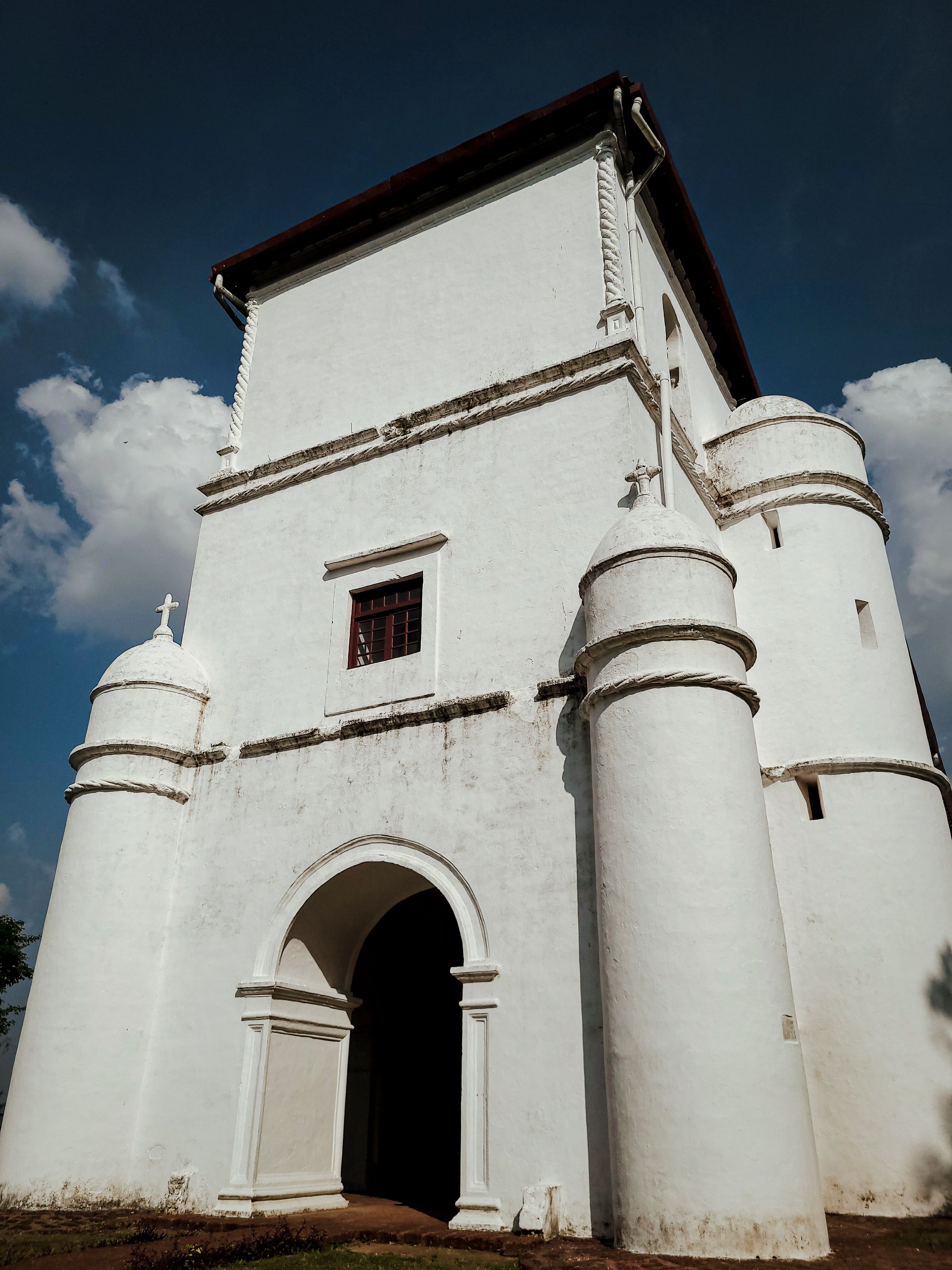
The fort has two parts. The upper fort sits on the hill, with thick laterite walls, a large cistern, bastions and a four-storey lighthouse dating from the nineteenth century. The lower fort runs down toward the water and was used as a harbour for ships. The walls are partly intact and partly worn, and the views from the ramparts over the sea and the coast are the main reward.
Next to the fort, a former prison building and the grounds of a luxury resort share the headland. Rules on photography and access vary, so follow signs and the staff.
Visiting tips
- Go in the late afternoon. The heat fades and the light turns golden, with good sunset views. Midday can be hot and shadeless.
- Wear sturdy shoes. The paths are uneven, with some steps and ramps.
- Carry water and a hat. There is little shade on the ramparts.
- Allow about one to two hours. Longer if you enjoy photography.
- Be respectful. The walls are old; do not climb on them or leave rubbish.
How to combine it
Fort Aguada fits easily into a Candolim day. Many visitors pair it with a walk on Candolim or Sinquerim beach, a lunch at a shack, and an evening at Baga or Calangute. It is about 20 minutes from Panaji by road, so it also works on a day that includes Old Goa and Panaji.
Is it worth the trip?
If you like history, views or photographs, yes. If you only want the beach, you can skip it. It is a good option for a first day or a day of light sightseeing when the sea is rough.
Seasons
The fort is open all year, but the monsoon brings rain, wind and slippery paths, and the views can be hazy. Winter mornings are clear and comfortable.
Plan it with us
Fort Aguada features in the Goa beaches and heritage package and the 3-day Goa itinerary. See the wider North Goa guide or ask us to plan your stay.