On this page 9 sections
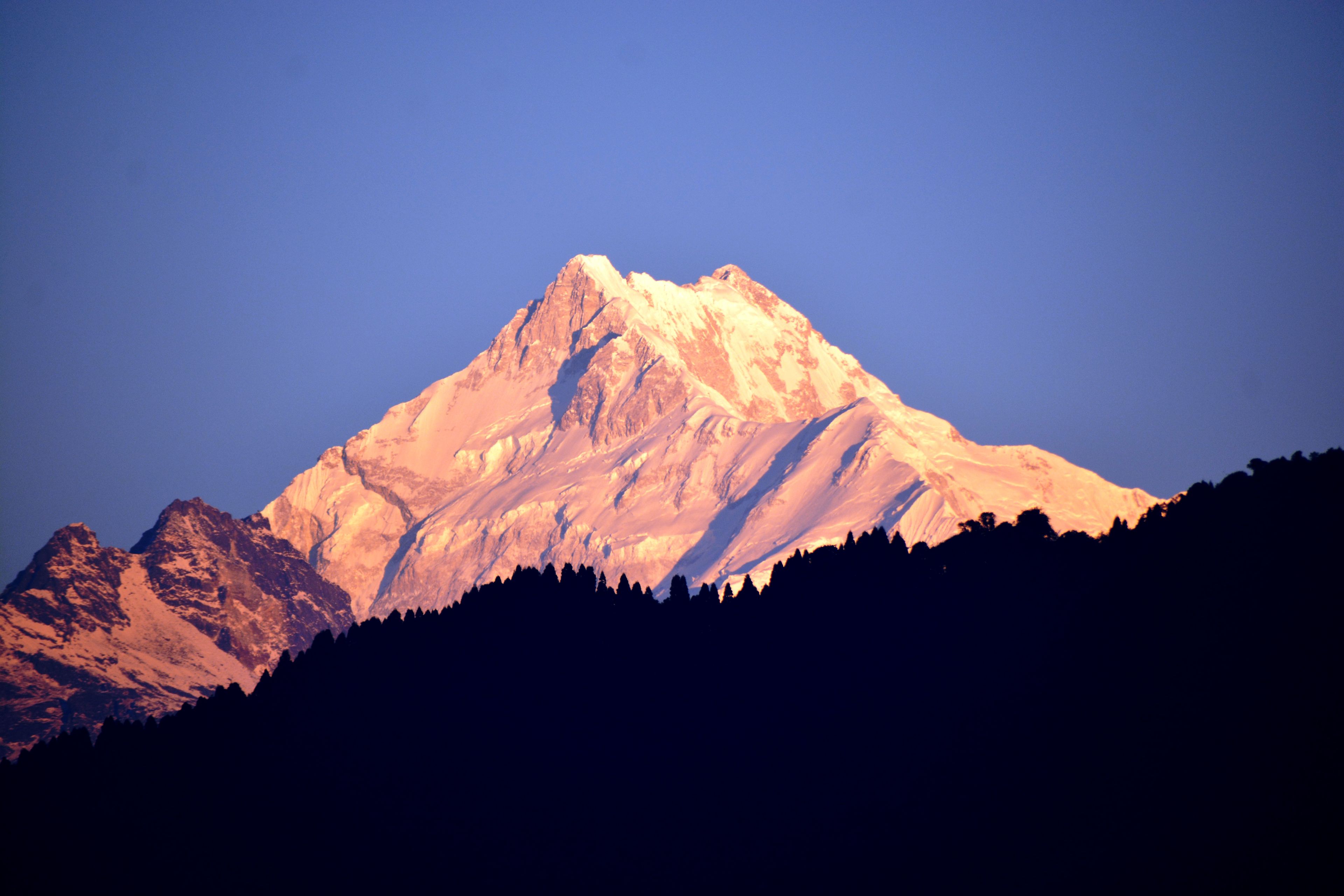
Pemayangtse Monastery stands on a ridge near Pelling at about 2,085 metres, with Kanchenjunga on the horizon. Founded in 1705 by Lhatsun Chempo, it belongs to the Nyingma school of Tibetan Buddhism and was historically the foremost monastery of Sikkim. Its name means "Perfect Sublime Lotus". It is a calm, atmospheric place, and one of the best reasons to visit West Sikkim.
History
Pemayangtse was established in the early eighteenth century and is among the oldest monasteries in Sikkim. Traditionally, its monks came from families of a specific lineage, and the monastery had a special role in the coronation of the kings of Sikkim. The building has been renovated several times, including after an earthquake in 2011. It remains active, with a resident community of monks.
What you will see
- The main prayer hall, with walls painted in rich colours, statues of Guru Padmasambhava and Buddhas, and shelves of sacred texts.
- The Zangdok Palri, a seven-tiered wooden sculpture depicting the heavenly abode of Guru Rinpoche, made by a monk over several years in the twentieth century. It is on the top floor.
- Murals and thangkas, many depicting protective deities and Buddhist stories.
- The courtyard, where masked dances called Cham are performed at festival time, usually in winter.
- The view, across the ridge to Kanchenjunga, particularly good at sunrise.
Etiquette
- Dress modestly, covering shoulders and knees.
- Remove shoes before entering the halls.
- Speak softly, and turn off your phone.
- Photography is usually not allowed inside, so ask first.
- Walk clockwise around prayer wheels.
- Do not touch statues, murals or ritual objects.
- Leave a donation if you wish.
Getting there
Pemayangtse is about 2 km from Pelling, a 10-minute drive or a pleasant uphill walk. Taxis are easy to find. Many visitors combine it with the Rabdentse ruins, which are a short walk away by a forest path, about 15 to 20 minutes.
Best time to visit
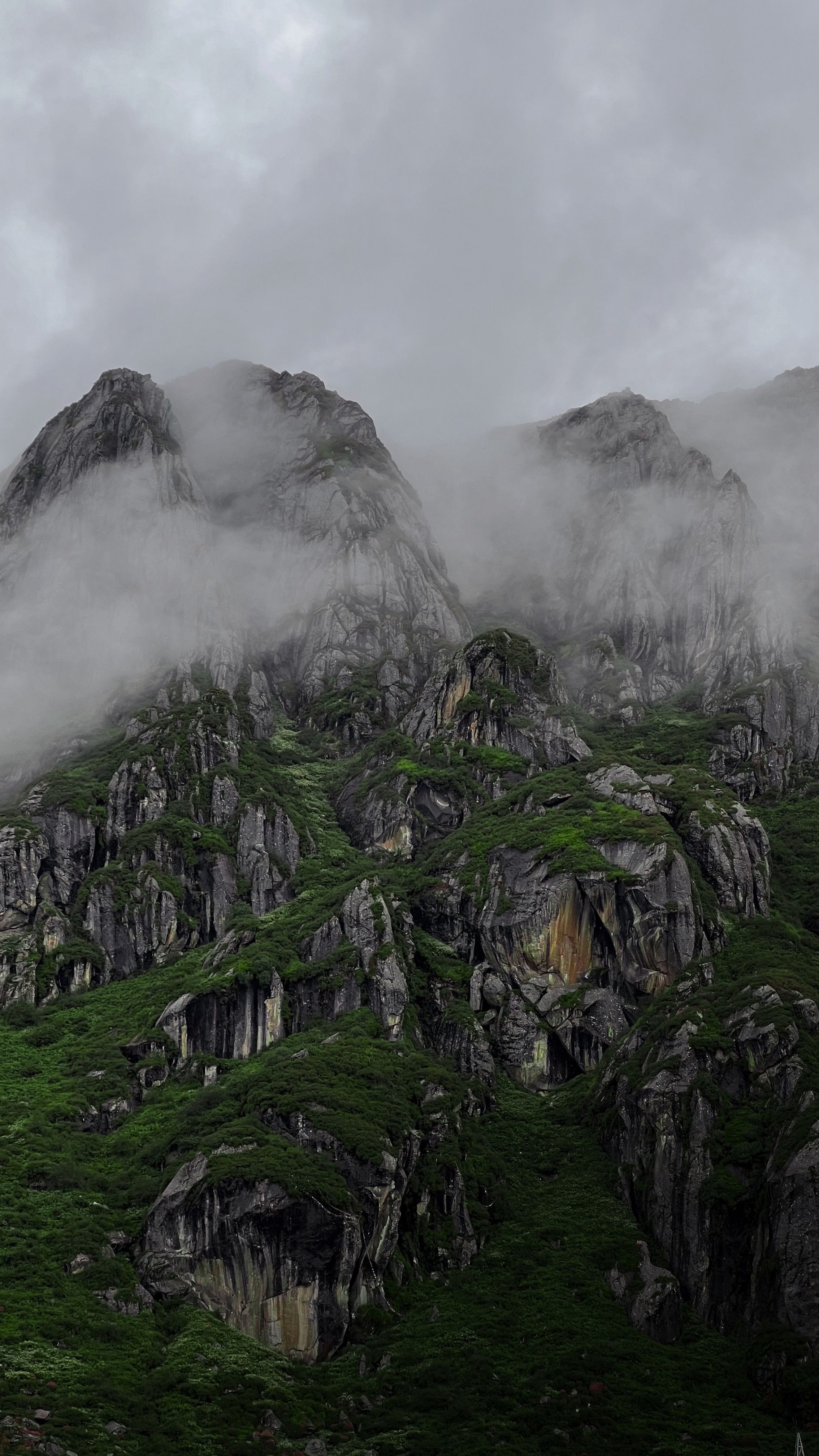
Morning is best, when the light is soft and the mountains are clearer. October to early December and March to May offer the best weather. In the monsoon, mist covers the monastery and the paths can be slippery.
The Rabdentse connection
Rabdentse, the second capital of Sikkim, lies on a nearby ridge. Today, only ruins remain, with stone platforms and pathways in the forest. It gives context to the monastery's history. The walk is easy, but wear shoes with grip.
Practical tips
- Carry small cash for donations and the entry fee.
- Arrive early for fewer visitors and better views.
- Wear comfortable shoes with grip.
- Allow one to two hours.
- Pack a light jacket, as the ridge can be windy.
- Be patient if prayers or ceremonies are in progress.
Who it suits
Culture lovers, photographers, couples and anyone interested in Tibetan Buddhism. The climb to the top floor involves steep steps, which may be hard for people with mobility problems.
Combine it with
Pair Pemayangtse with Rabdentse, Khecheopalri Lake and a Kanchenjunga sunrise. See the Pelling and Yuksom guide, our honeymoon plan or ask us to plan.