On this page 10 sections
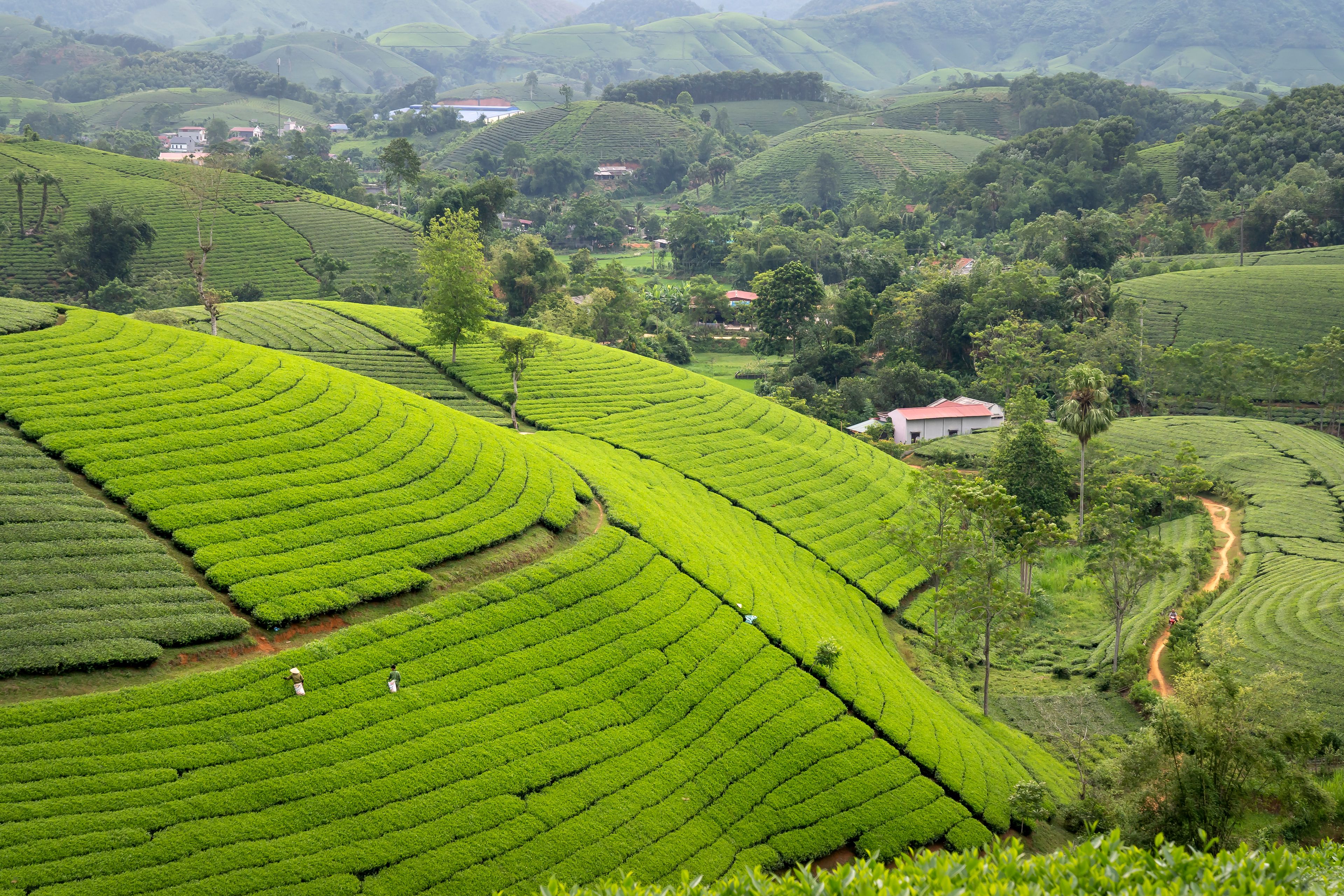
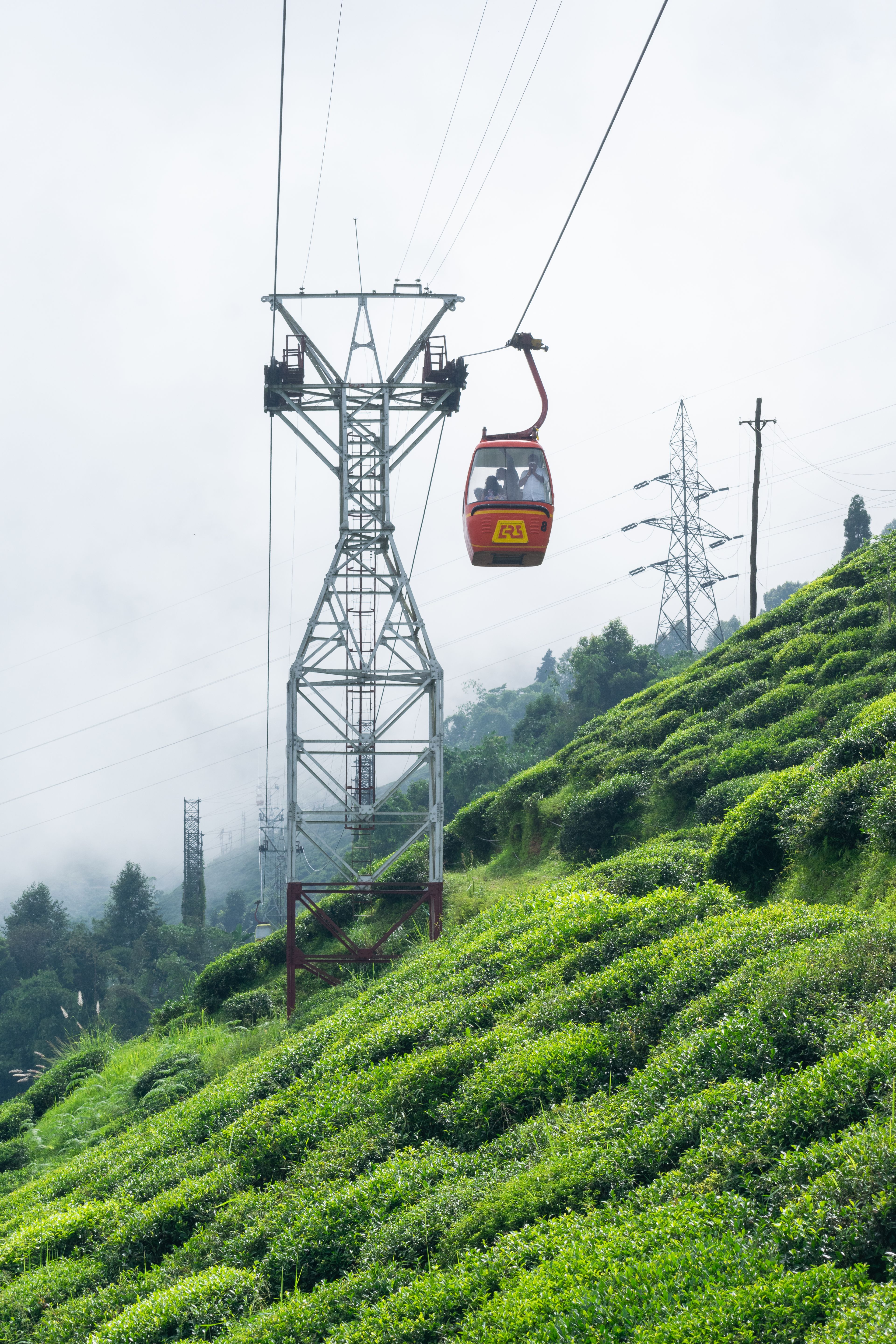
Darjeeling tea is grown on steep slopes at altitudes from about 600 to 2,000 metres, in cool air and frequent mist. The leaves are small and slow-growing, and the tea has a light, floral character that earns it the name "champagne of teas". In 2004, it became the first Indian product to be awarded a Geographical Indication tag. A visit to an estate is one of the best ways to understand the region.
What a visit involves
A typical visit includes a walk among the tea bushes, an explanation of plucking, a tour of the factory where leaves are withered, rolled, oxidised, dried and sorted, and a tasting session. Pluckers, mostly women, move through the rows with baskets on their backs. The work is skilled and demanding. Some estates also offer short stays in bungalows or guesthouses, with views across the terraces.
The flushes
Darjeeling tea is picked in several seasons, called flushes:
- First flush (March to April): the first leaves after winter, light, fresh and floral.
- Second flush (May to June): fuller, more muscatel, often prized by tea lovers.
- Monsoon flush (July to September): stronger, less delicate, often used for blends.
- Autumn flush (October to November): mellow, with a copper colour and a gentle sweetness.
You can visit estates all year, but plucking is easiest to see from spring to autumn. Factory activity is highest during the flushes.
How to choose an estate
Estates near Darjeeling, such as Happy Valley, are the easiest to reach, with short visits. Others, like those near Kurseong, Mirik and Kalimpong, are less crowded and often offer longer experiences. Some estates are organic or biodynamic, and some welcome visitors only with prior booking. Ask your hotel or operator for recommendations, and avoid places that push heavily for purchases.
Buying tea
Buy from reputable shops or directly from an estate. Look for the Darjeeling logo and certification mark, and ask for the estate name, the flush and the year. Be wary of very cheap "Darjeeling" tea, which may be blended or mislabelled. Small quantities let you try several types. Store tea in an airtight container away from light and moisture. Ask the shop to vacuum-pack tea for travel.
Tasting tips
Taste lightly brewed tea without milk or sugar to appreciate the aroma. Notice colour, fragrance and aftertaste. Water temperature and steeping time matter: lower temperatures for first flush, slightly higher for second flush. Estate staff will often show you how.
The people behind the tea
Tea estates employ many families, whose lives are tied to the gardens. Labour conditions have been debated for years, and some estates have faced financial hardship and closure. Support estates that treat workers well, buy fairly, and be respectful when you walk through working areas. Ask before taking photographs of workers.
Getting there and timing
Many estates are 5 to 30 km from Darjeeling, reachable by taxi. Allow half a day, including travel. Visits are best in the morning, when the light is soft and the factory is active. Wear comfortable shoes with grip, because the slopes can be slippery.
Practical tips
- Book a visit in advance for popular estates.
- Carry cash for tea purchases.
- Wear a hat and sunscreen, and carry a light jacket.
- Do not pick leaves without permission.
- Respect no-photography signs in the factory.
- Check whether the estate is operating on the day you visit.
Who it suits
Tea lovers, photographers, families and couples. It is less suited to people with mobility problems, because the paths are steep.
Combine it with
Pair an estate visit with the Toy Train and Tiger Hill. See the Darjeeling guide, our honeymoon plan or ask us to plan.