On this page 11 sections
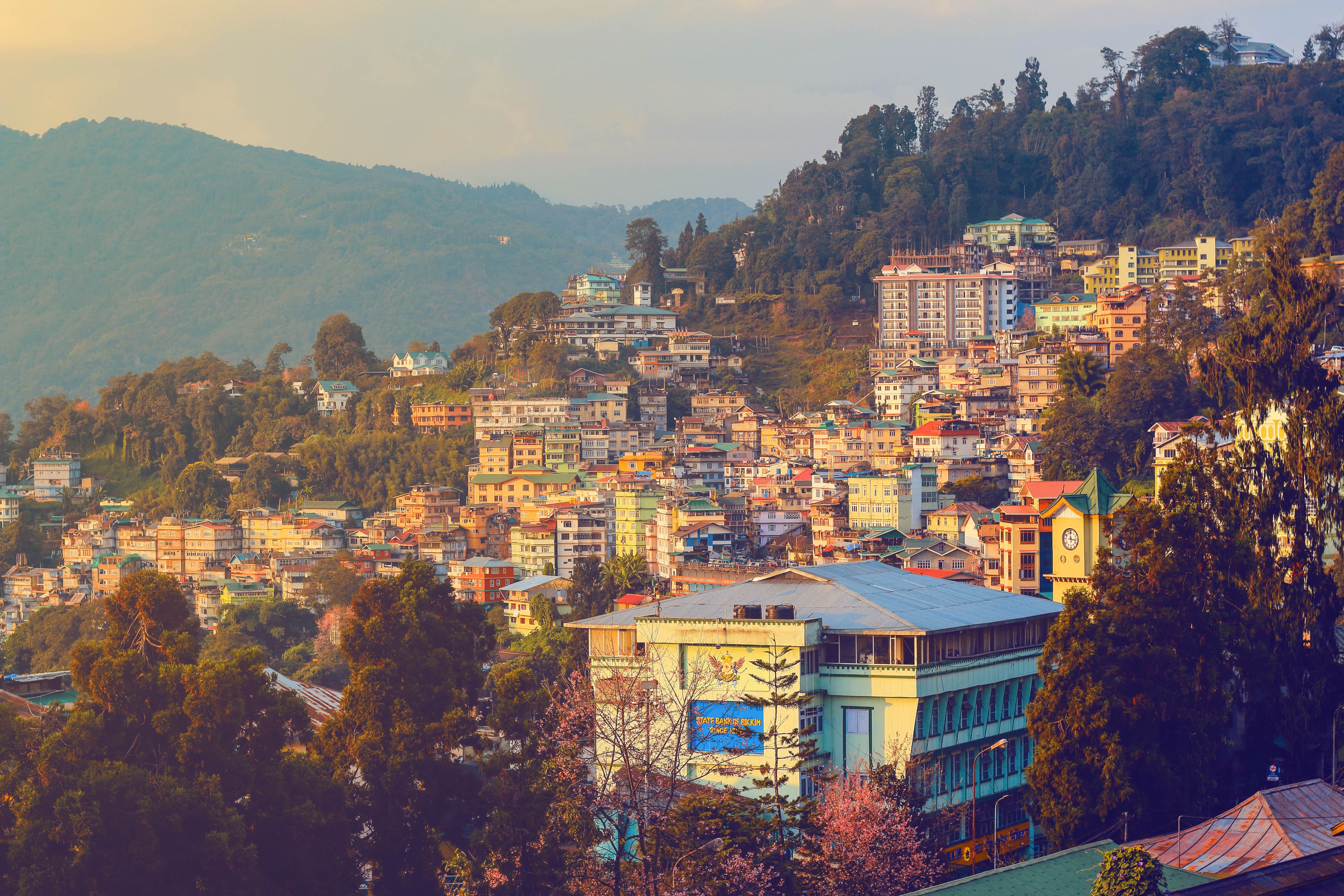
Kalimpong rewards slow exploration. Its monasteries sit on hilltops with long views, and its nurseries fill terraced gardens with orchids, cacti, ferns and roses. Together they give the town its character and make a pleasant half-day or full-day outing, without the crowds of Darjeeling or Gangtok.
Zong Dog Palri Fo-Brang Monastery
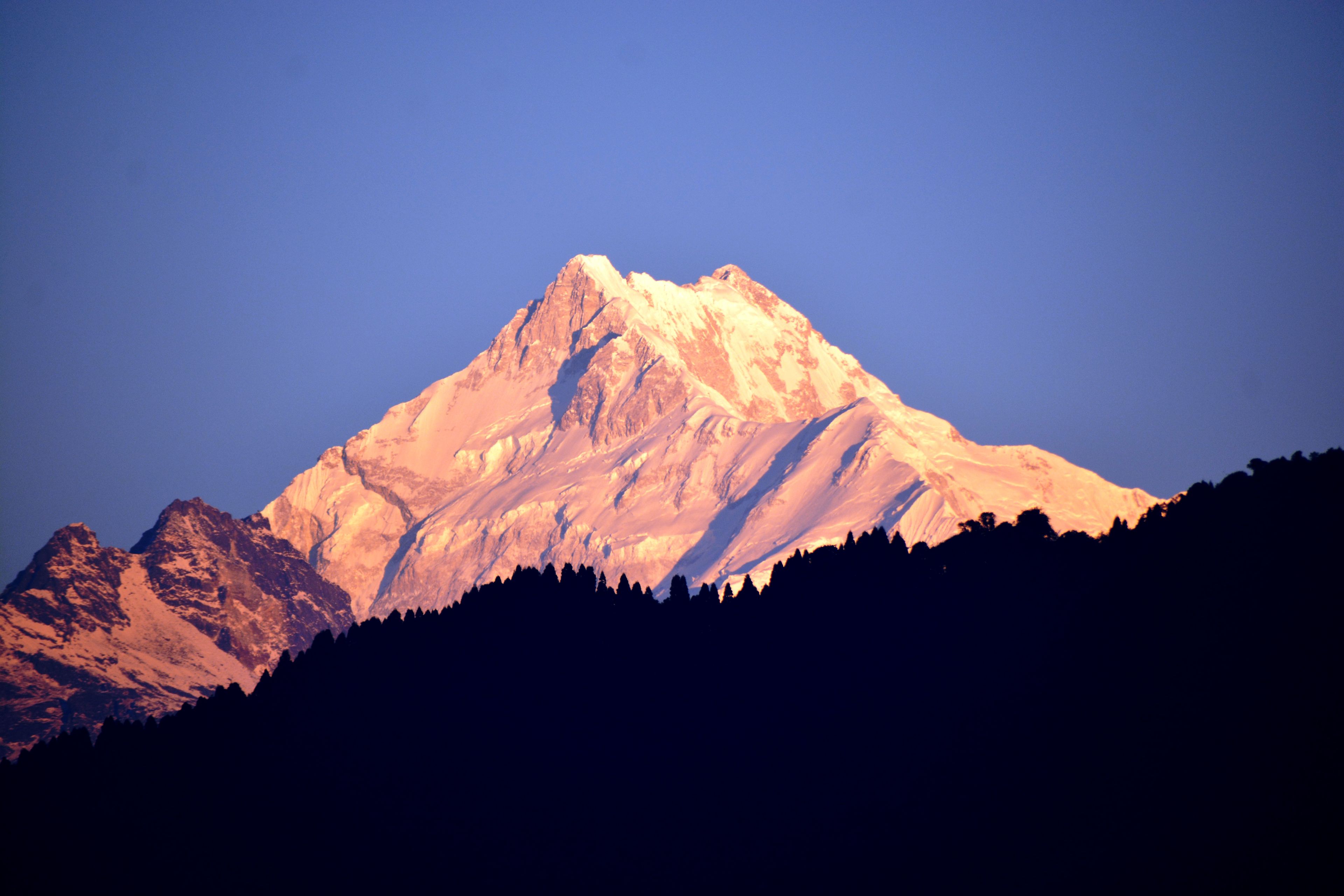
On Durpin Dara hill, this monastery is the most prominent in Kalimpong. It was consecrated by the Dalai Lama in 1976, and is also known as Durpin Monastery. The building has a colourful assembly hall, a large prayer wheel, and a library of Buddhist texts. From the grounds, you see the Teesta valley, the town and, on clear days, Kanchenjunga. The setting is peaceful, with fluttering prayer flags and the sound of horns and chanting during rituals.
Thongsa Gompa
Thongsa Gompa, near the town centre, is one of the oldest monasteries in Kalimpong, built in the mid-nineteenth century by Bhutanese Buddhists. It is smaller and quieter, with traditional paintings and a calm courtyard. It is a good place to sit and watch young monks at study.
Other sacred sites
Mangal Dham is a modern temple with wide views. A number of smaller gompas and churches dot the hills, reflecting the mix of Buddhist, Hindu and Christian communities in the region.
Flower nurseries
Kalimpong is known across India for its plant nurseries, many of them family-run for generations. They specialise in orchids, cacti and succulents, ferns, roses, begonias and Himalayan seeds. Spring is the best season for blooms, and orchids are at their best in March to May. Visitors can walk through the gardens, ask questions and buy plants and seeds. Check the rules before taking plants home, particularly across state lines or abroad. Some nurseries ship by arrangement.
What else is nearby
- Deolo Hill, a viewpoint reached by road, with a small park.
- Dr Graham's Homes, a school with colonial buildings and a memorial church.
- Kalimpong's cheese and dairy shops, for local flavours.
- The Teesta confluence viewpoints, a short drive down the valley.
Etiquette
At monasteries, dress modestly, remove shoes before entering halls, speak softly and ask before photographing monks or interiors. Walk clockwise around prayer wheels and stupas. In nurseries, do not pick flowers or touch plants without permission.
Best time to visit
October to early December and March to May are the best seasons. Orchids and rhododendrons bloom in spring. Winter is clear but cool, and the monsoon is wet, though the greenery is dramatic.
Getting around
Kalimpong is compact, and most sights are within 10 to 15 minutes' drive. Taxis are easy to arrange, and walking is possible but steep. Allow half a day for monasteries and another half for nurseries, or one full day for both.
Practical tips
- Start early to avoid the midday haze.
- Carry small cash for donations and plants.
- Wear shoes with grip, since paths are uneven.
- Ask nurseries about packing and transport.
- Check the weather before climbing to viewpoints.
- Leave time for a cheese tasting.
Who it suits
Culture lovers, garden enthusiasts, photographers and families. It is less suited to people who want nightlife or large attractions.
Combine it with
Pair Kalimpong with Darjeeling or Gangtok. See the Kalimpong guide, our family holiday, or ask us to plan.