On this page 11 sections
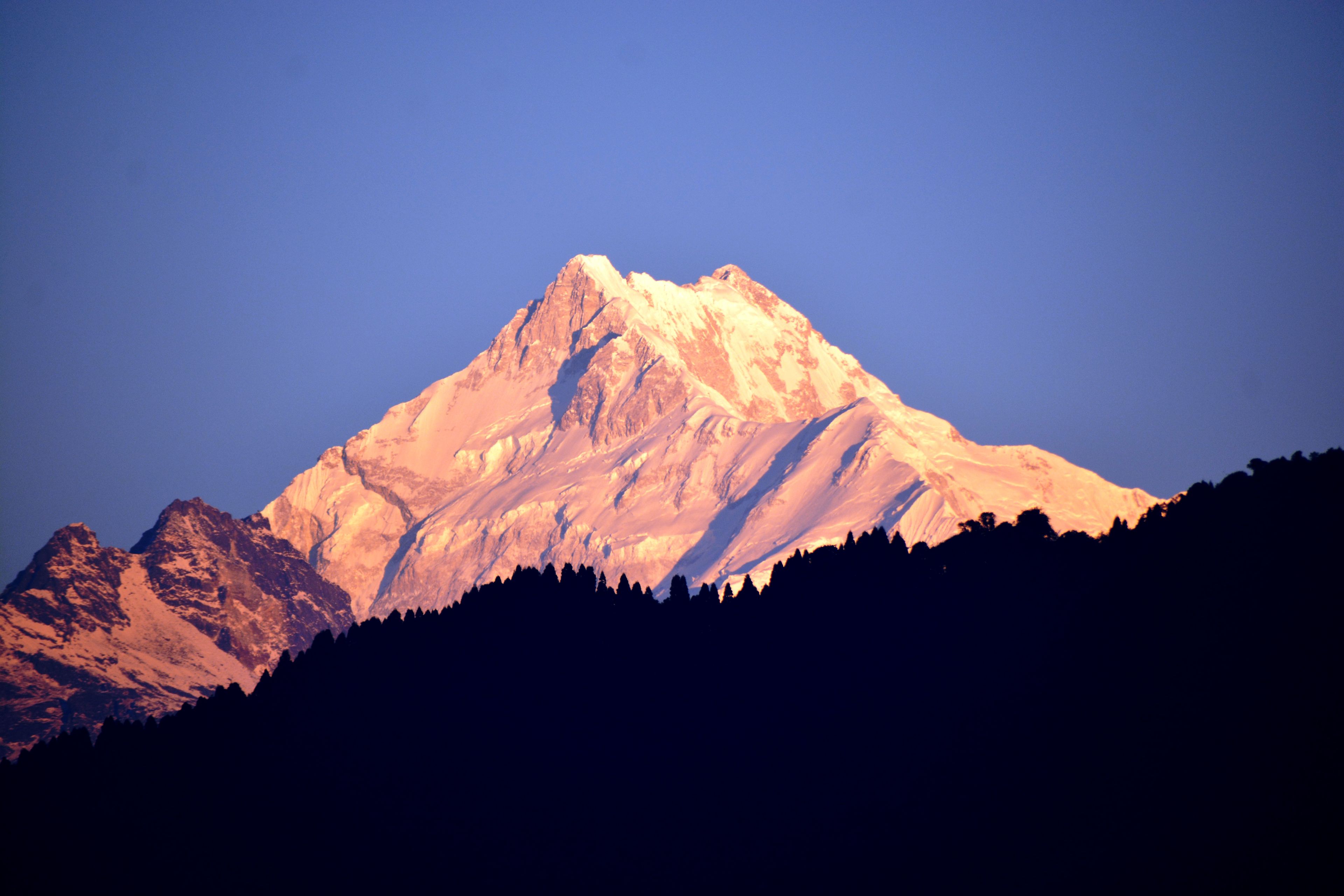
West Sikkim is quieter and older than the east. Pelling, a village at about 2,000 metres, looks straight at Kanchenjunga on clear days, and its ridge is dotted with monasteries, ruins, lakes and waterfalls. Yuksom, further north-west, was the first capital of Sikkim and is the starting point for treks to the foot of Kanchenjunga. Together they make a slower, more spiritual alternative to the busier east.
What Pelling is like
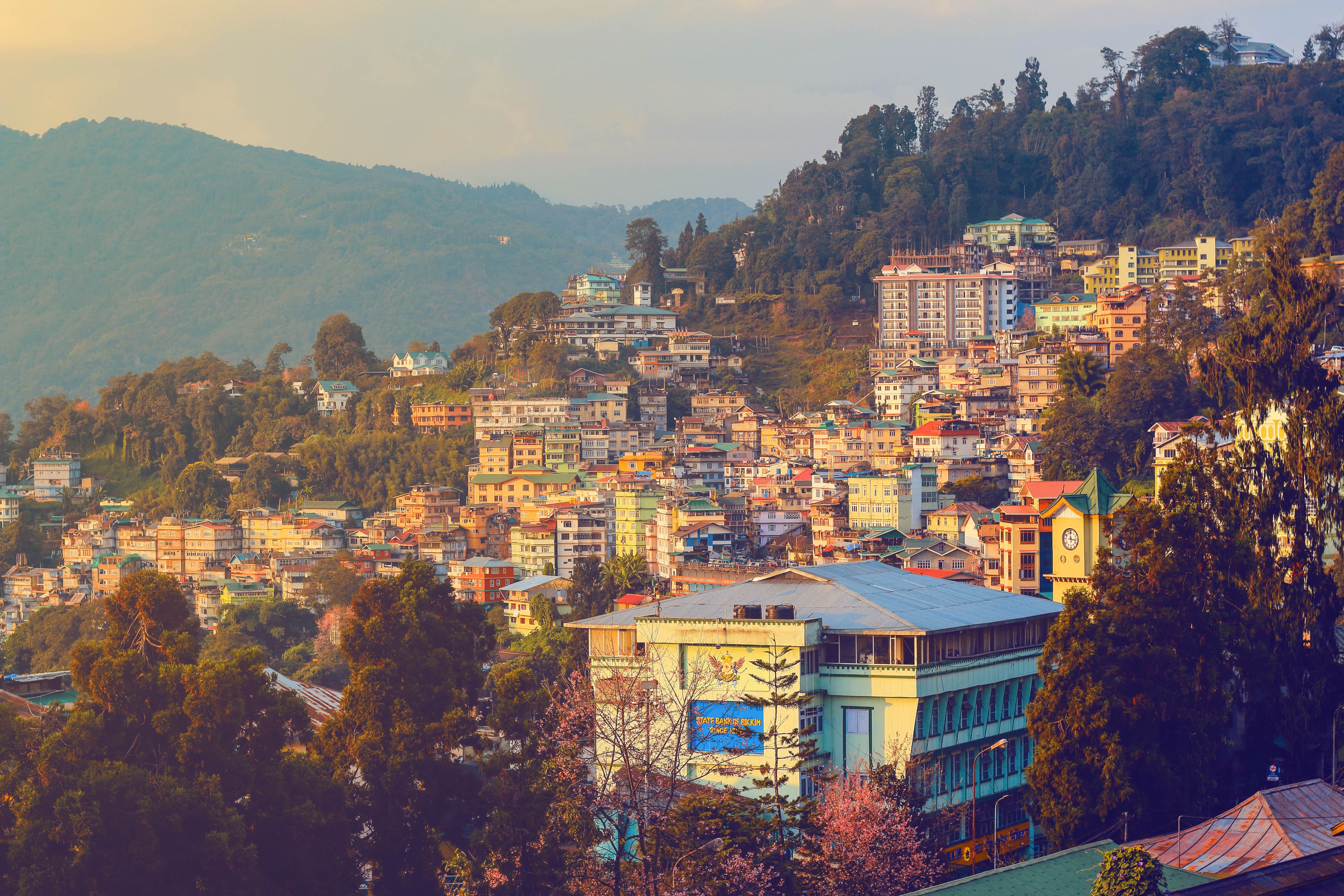
Pelling has grown from a village into a small tourist town, with hotels lining the ridge. Views of Kanchenjunga are the main attraction. The town is spread out and quiet at night. Much of the sightseeing involves short drives to nearby sites. Weather is changeable, and mist often wraps the ridge in the afternoon.
What to see
- Pemayangtse Monastery, one of the oldest and most important monasteries in Sikkim.
- Rabdentse Ruins, the remains of the second capital of Sikkim, with a short forest walk.
- Khecheopalri Lake, a sacred lake in a forest, known for its calm and its legend of being a wish-fulfilling lake.
- Kanchenjunga Falls and Rimbi Waterfall, for easy roadside stops.
- Singshore Bridge, a high suspension bridge across a gorge, for adventurous visitors.
- Chenrezig Statue and Skywalk, a large statue and glass walkway with views.
- Sangachoeling Monastery, reached by a short trek, with a wide view.
- Yuksom, the historic coronation site, Norbugang Chorten and the start of the Dzongri and Goecha La treks.
How many days
Two nights in Pelling allow the monasteries, lakes and viewpoints. Add a night in Yuksom if you want to walk or begin a trek. Pelling features in our Darjeeling and Sikkim honeymoon.
Where to stay
Pelling's hotels range from budget lodges to resorts with views. A room that faces Kanchenjunga costs more, but is worth it in a clear season. Homestays in nearby villages offer a more local experience. In Yuksom, accommodation is simple, with guesthouses and trekking lodges.
Getting there
Pelling is about 115 km from Gangtok (5 to 6 hours) and about 130 km from Bagdogra (5 to 6 hours), by roads that pass Jorethang and Legship. It is also reachable from Darjeeling in about 5 hours. The roads are winding and sometimes affected by landslides in the monsoon. Yuksom is another 40 km further, about 2 hours.
Best time to visit
March to May and October to early December are the best months. Winters are cold and quiet. The monsoon is wet, with leeches on forest trails and frequent cloud.
Trekking from Yuksom
Yuksom is the gateway to the Kanchenjunga National Park, a UNESCO World Heritage Site. The Dzongri and Goecha La treks climb to high meadows and lakes with close views of Kanchenjunga. They need permits, an authorised operator, acclimatisation and good fitness. These are serious treks, not casual walks.
A sample day in Pelling
A typical day starts early with a sunrise viewpoint at the hotel or on a nearby ridge, when Kanchenjunga turns pink if the sky allows. After breakfast, you visit Pemayangtse Monastery and walk to the Rabdentse ruins. Lunch is simple and local. The afternoon is for Khecheopalri Lake or Kanchenjunga Falls, and the evening for a quiet dinner and an early night. The pace is slow on purpose, and the village rewards patience.
Festivals in West Sikkim
Pemayangtse holds a masked dance festival in winter, and Khecheopalri is the site of pilgrimage and prayer through the year. Pang Lhabsol, in August or September, honours Kanchenjunga as the guardian deity of Sikkim. Dates vary every year, so check before planning around them.
Responsible travel
Respect monasteries and sacred lakes. Do not litter, particularly near Khecheopalri, which is revered. Follow forest department rules, and do not feed wildlife. Support homestays and local guides.
Plan Pelling with us
We often place Pelling in a Darjeeling-Pelling-Gangtok loop. Send us your dates and we will plan the roads and stays.