On this page 9 sections
Rumtek, about 24 km from Gangtok, is one of the most important Buddhist monasteries in Sikkim. Officially the Dharma Chakra Centre, it is the seat of the Karmapa lineage of the Kagyu school of Tibetan Buddhism in exile. The complex stands on a hillside across the valley from Gangtok, with a large courtyard, a golden stupa and a shrine room filled with murals, statues and offerings.
History
The original Rumtek monastery was built in the 1730s by the Chogyal of Sikkim. In the 1960s, the 16th Karmapa fled Tibet and settled in Sikkim, and the present monastery was built as his new seat, completed in 1966. It was modelled on the Tsurphu Monastery in Tibet, the traditional home of the Karmapas. Since then, the monastery has been a centre of Kagyu teaching and a place of pilgrimage.
What you will see
- The main prayer hall, a high, richly decorated room with a large Buddha statue, painted walls, thangkas and rows of cushions for monks.
- The Golden Stupa, a reliquary containing relics associated with the 16th Karmapa, in a separate building.
- The courtyard, where masked dance festivals are held, particularly in winter.
- Monks' quarters, a library and a shrine room, parts of which are closed to visitors.
- A shop and a cafe, selling books, prayer flags, incense and souvenirs.
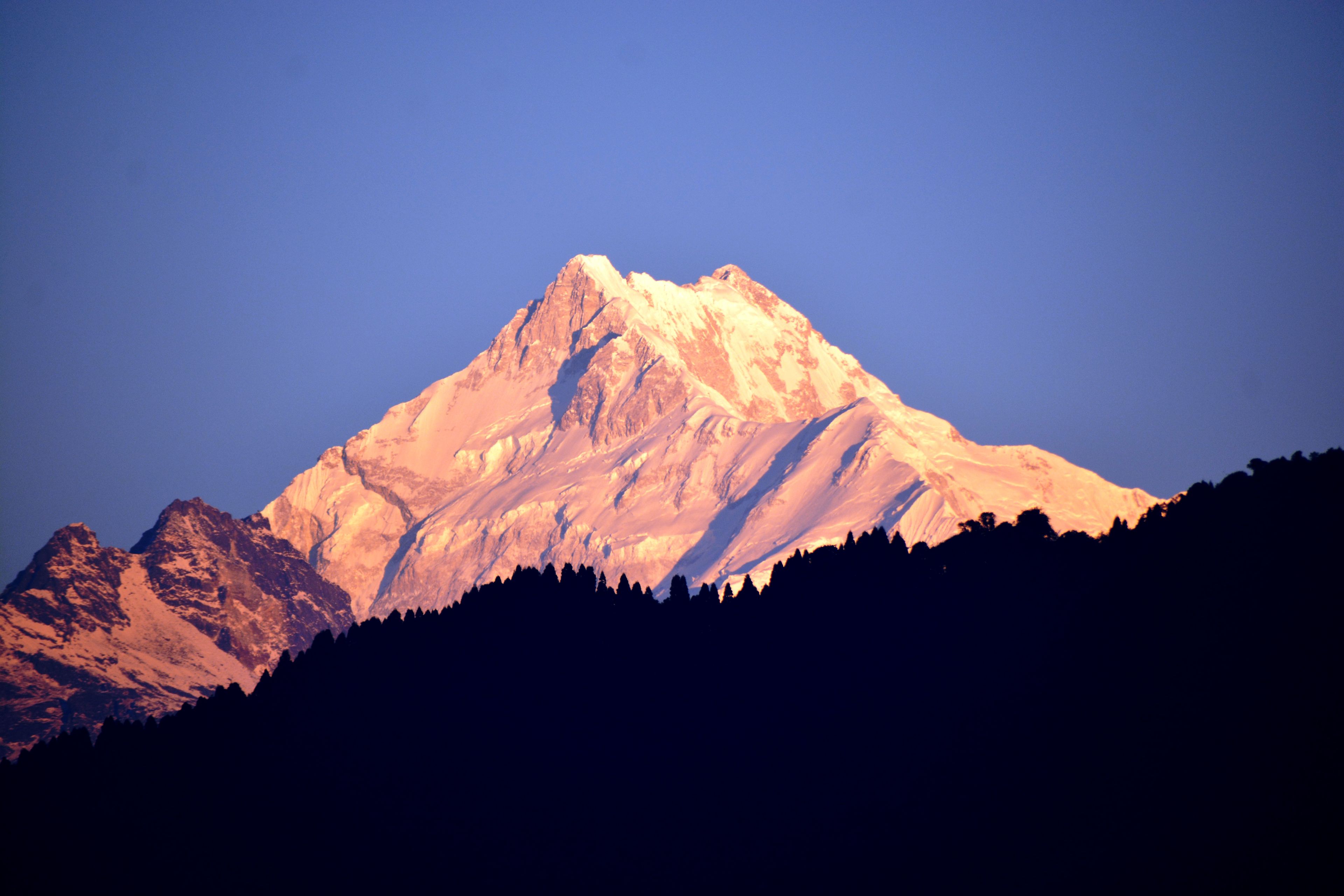
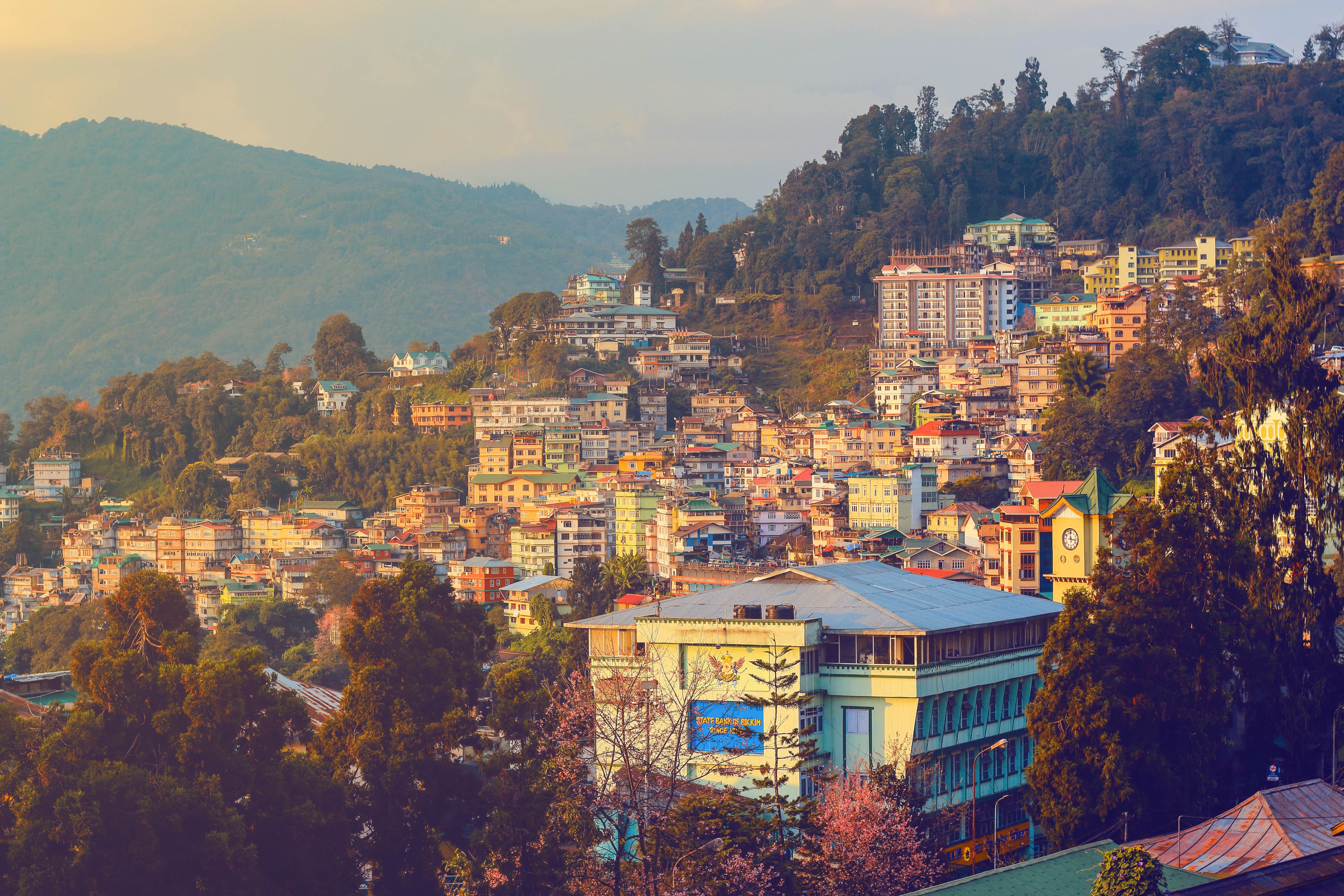
On clear days, the monastery offers views across the valley to the ridge on which Gangtok sits.
Etiquette
- Dress modestly, covering shoulders and knees.
- Remove shoes before entering the halls.
- Speak softly, and silence your phone.
- Ask before photographing monks or interiors. Photography is not allowed in some halls.
- Walk clockwise around stupas and prayer wheels.
- Do not touch statues, murals or ritual objects.
- Leave a donation if you wish.
Getting there
Rumtek is about 24 km from Gangtok, a drive of around one hour on a winding road. Taxis can be hired for a half-day trip, and some tours combine it with other sites. A checkpoint on the road may check identification. The road is prone to landslides in the monsoon.
Best time to visit
Morning is best, when prayers are in progress and the air is clear. March to May and October to early December offer the best views. The Losar (Tibetan New Year) and the annual masked dance festival bring crowds and a special atmosphere, but also limited access.
The wider site
Close to the Dharma Chakra Centre, there is also the older Rumtek monastery, a smaller, more traditional complex. A nearby institute for Buddhist studies houses students. The area is quiet, with prayer flags and pine trees.
Practical tips
- Carry ID, because there is a checkpoint.
- Wear shoes that are easy to remove.
- Carry small cash for donations and the cafe.
- Allow two hours at the site.
- Check the weather before leaving, as roads can be slippery.
- Be patient if some areas are closed for ceremonies.
Who it suits
Culture lovers, photographers, pilgrims and anyone interested in Tibetan Buddhism. It is less suited to travellers who want a short, easy stop, because the road is long.
Combine it with
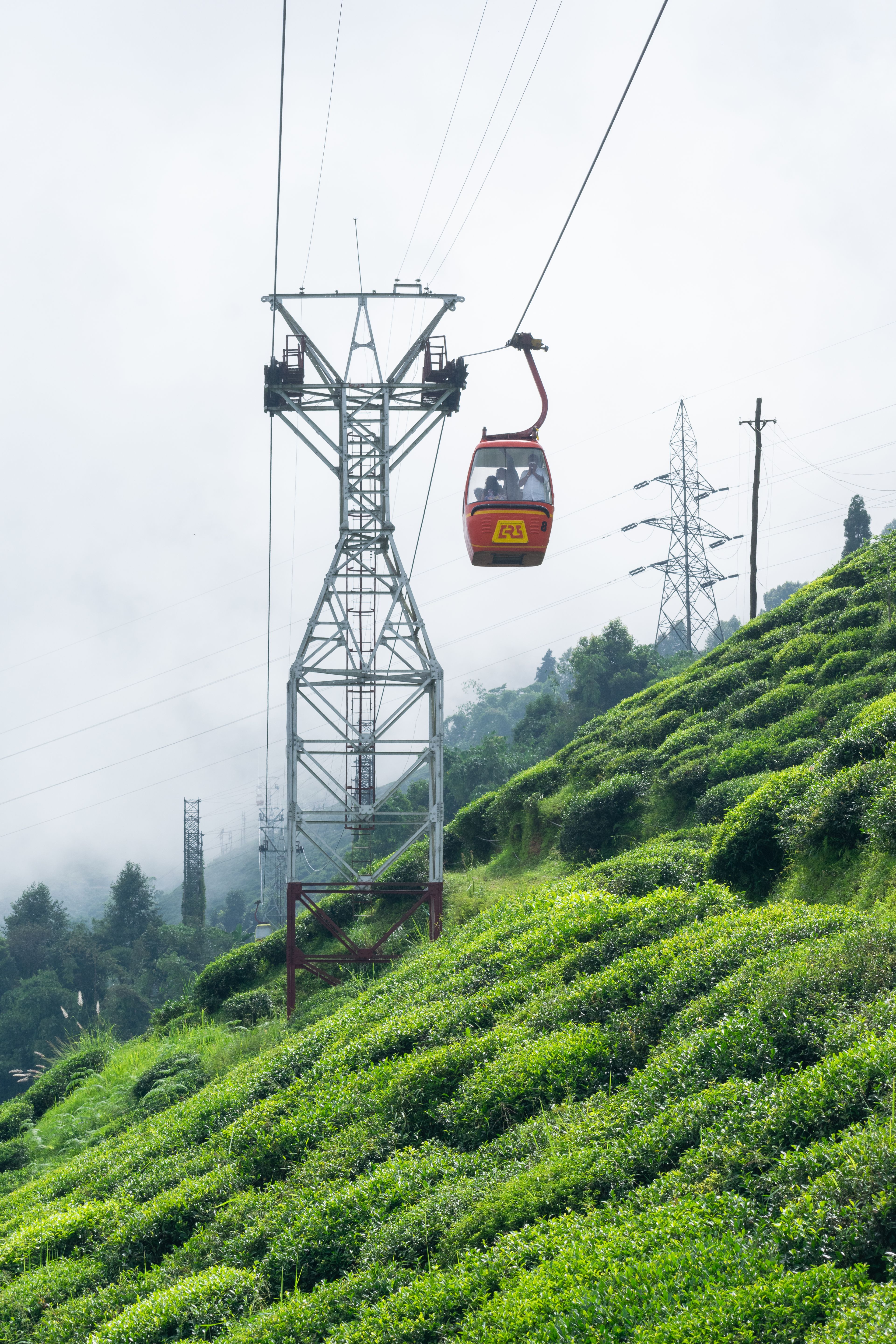
Pair Rumtek with the Gangtok ropeway and an evening on MG Marg. See the Gangtok guide, our classic tour or ask us to plan.