On this page 7 sections
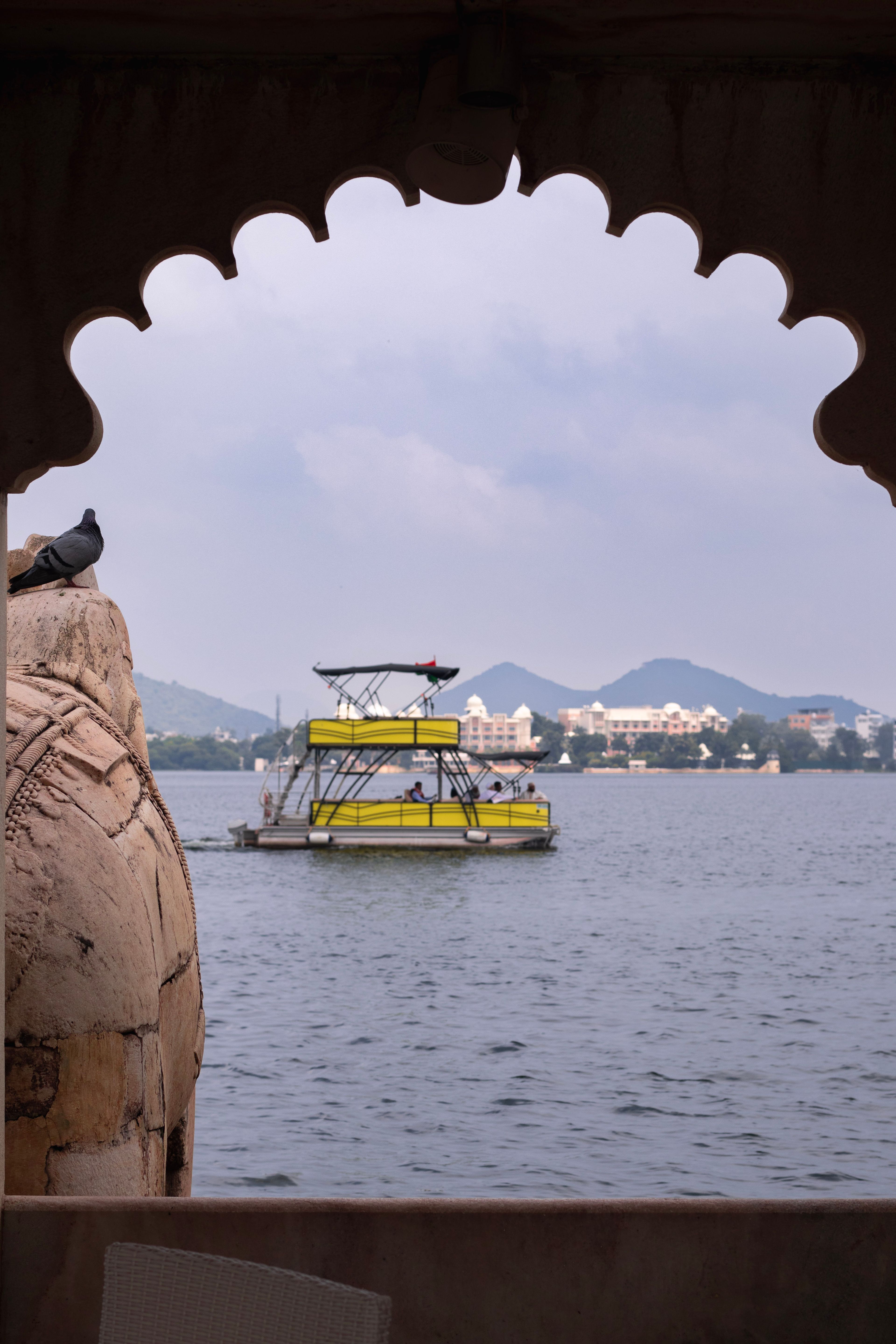
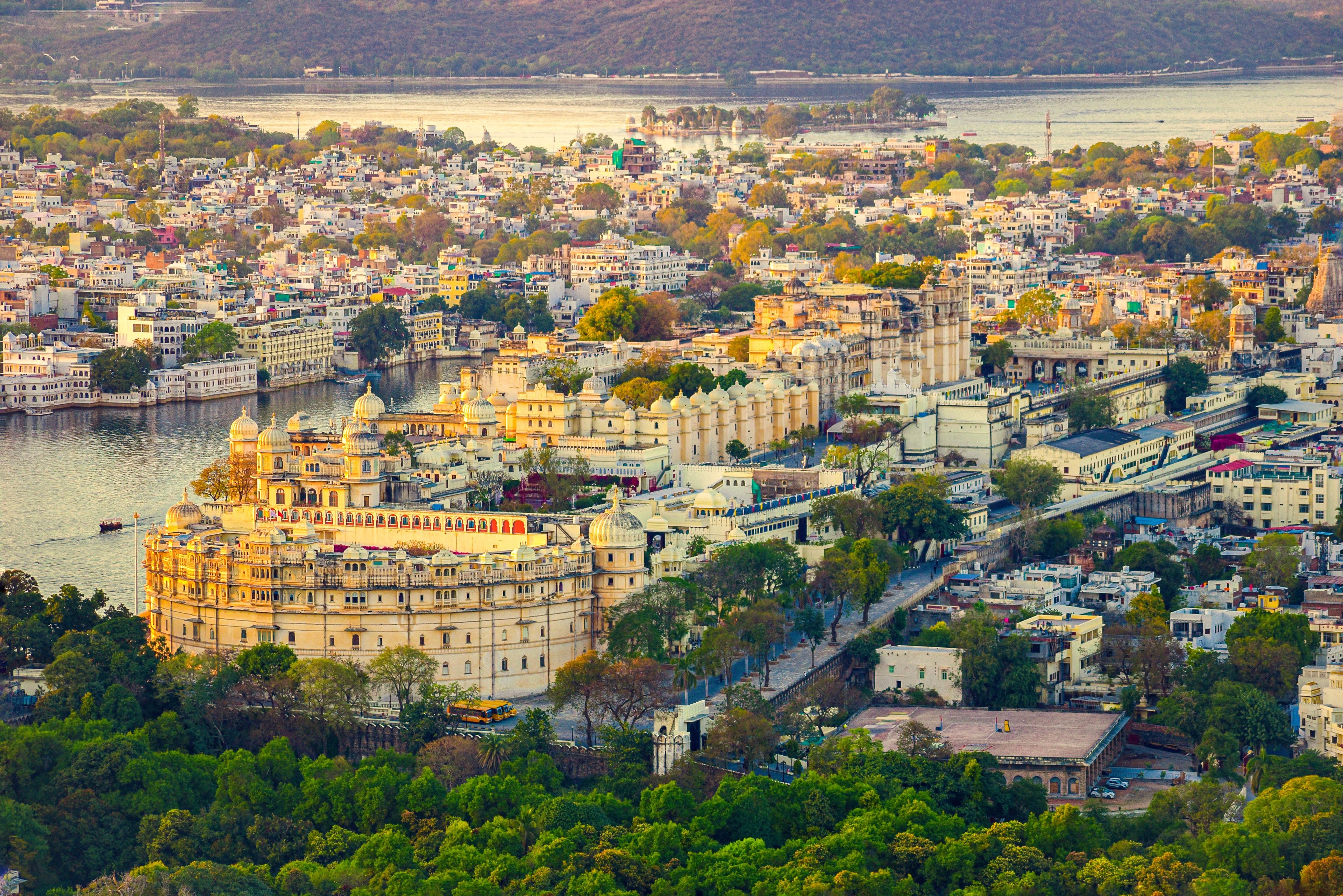
Pushkar Lake is the reason the town exists. Hindu tradition says Brahma, the creator, dropped a lotus here and the lake appeared. Pilgrims have come for centuries to bathe in its waters, and the 52 ghats around its edge are the scene of daily rituals and evening aarti. A visit is more about atmosphere than sightseeing, and it rewards a quiet, respectful approach.
The lake and its ghats
The lake is small enough to walk around, and the ghats are a series of stepped platforms with temples, shrines and old pavilions. Some ghats are named after rulers and nobles, and others are used for specific rituals. Mornings are busy with bathers, and evenings bring lamps and prayers. At sunset, the water takes on a soft orange tone, and the town is at its most photogenic.
Before you step onto a ghat, remove shoes, dress modestly and avoid photographing bathers, particularly women. Do not smoke, eat meat or drink alcohol in the vicinity. If you want to take part in a ritual, speak to a priest and agree the offering in advance.
The Brahma Temple
The Brahma Temple is one of very few temples in India dedicated to Brahma. It has a red spire, a marble floor set with silver coins inscribed with donors' names and an image of Brahma with four faces. The temple is a short walk from the lake, down a lane lined with flower and sweet shops. Phones and cameras are usually not allowed inside, and you may be asked to leave bags and footwear at a counter. The temple can be crowded in the morning and during festivals.
About the priests and donations
Some priests at the ghats approach visitors and offer a "puja", asking for a donation, sometimes a large one. You can politely decline. If you wish to participate, ask for the full price in advance, and be wary of anyone who presses you for more afterwards. Offerings at the Brahma Temple are voluntary.
When to go
Sunrise and sunset are the best times. October to March is the pleasant season, and the Camel Fair in November brings the largest crowds. The lake can look dry or low in late summer. During the fair, the town is lively, and prices for hotels rise sharply.
Practical tips
- Wear modest clothing and carry a scarf.
- Avoid leather items near temples.
- Keep your phone away at the ghats and in the temple.
- Carry small change for offerings and tips.
- Respect the vegetarian and alcohol-free rules of the town.
- Watch your belongings in crowds.
Walk beyond the lake
Beyond the ghats, the main bazaar is a good place to try malpua, buy rose water and browse silver jewellery and textiles. A walk or ropeway ride to the Savitri Mata Temple gives a panoramic view. Cafes on the lakeside serve vegetarian food, and some host live music in the evening.
Plan it with us
Pushkar is easy to add between Jaipur and Jodhpur. See the Pushkar and Ajmer guide and the 7-day itinerary, or ask us for a custom plan.