On this page 8 sections
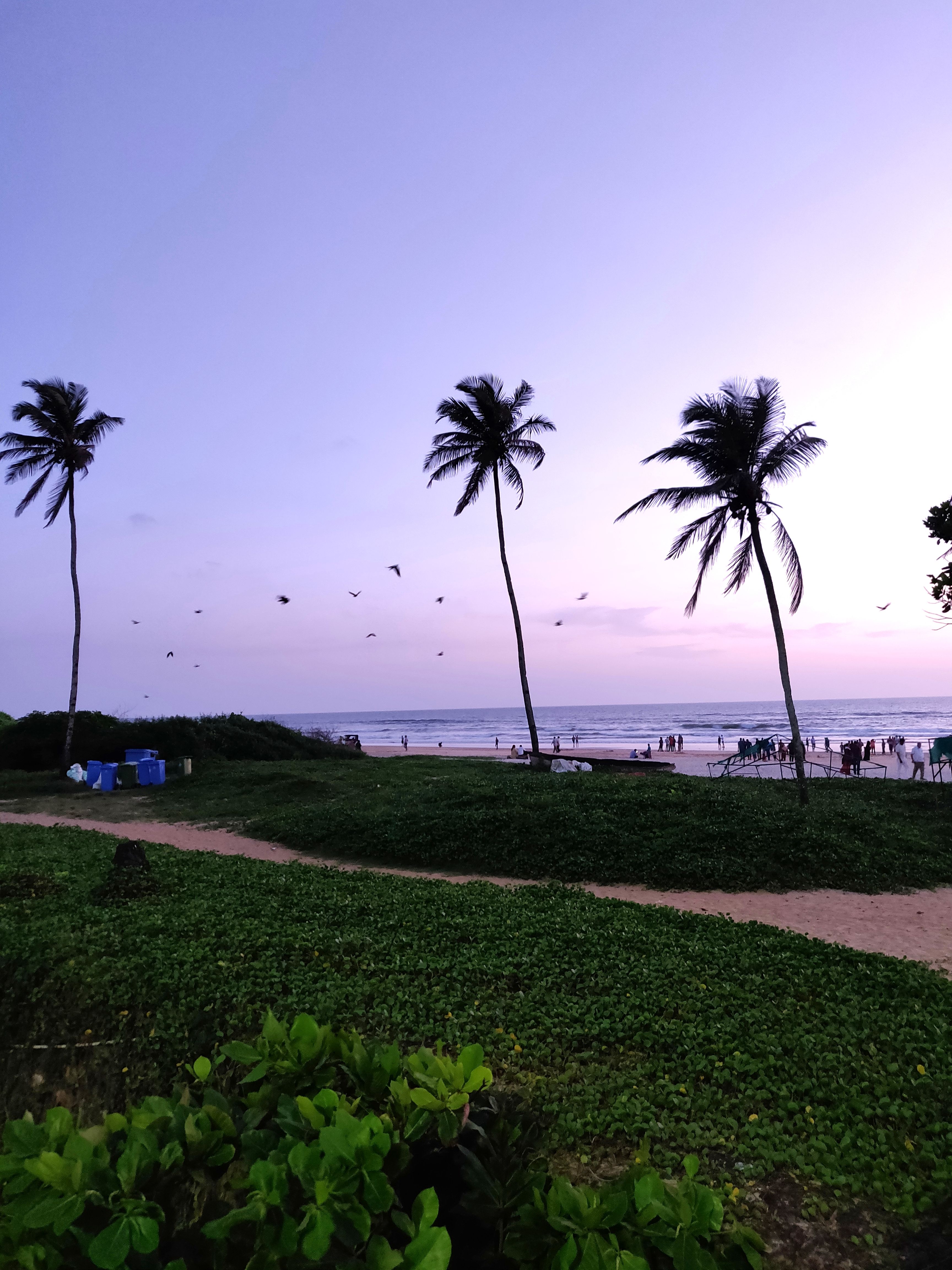
Agonda is Goa's quiet beach. A long, gently curving strand of sand, backed by palms and low-rise guest houses, it is the place people go when they want to do very little. It has a reputation for yoga stays, long walks and the kind of unhurried evenings that are hard to find elsewhere on the coast.
What the beach is like
The sand stretches for a few kilometres with only a handful of cafes and huts along the back. Fishing boats sit at one end. The scenery is open and calm, with the Cabo de Rama headland visible to the south. There is far less to do than at Palolem or Baga, which is exactly the appeal.
Turtle nesting
Agonda is one of several Goan beaches where Olive Ridley turtles nest, usually between November and March. Nests are protected and sometimes marked off. If you visit during the season, avoid bright lights on the beach at night, keep your distance from nests and hatchlings, and follow the guidance of local forest-department volunteers.
Things to do
- Walk the length of the beach at dawn.
- Practise yoga on the sand or in a studio.
- Visit Cabo de Rama Fort, a short drive south, for views and a quiet temple.
- Try a cooking class or visit a local market.
- Read, rest and watch the sunset.
Swimming and safety
The sea can be rough and the shore drops quickly in places, so swimming is not always safe. Lifeguards are fewer than at busy beaches. Follow flags and local advice, and avoid swimming alone, after drinking or after dark.
Tips for a better visit
Bring cash, a torch for evenings and a book. Sunsets are excellent, so choose a cafe on the western side of the beach. If you plan to hike to Cabo de Rama, go early in the morning to avoid the heat, and carry water.
Where to stay
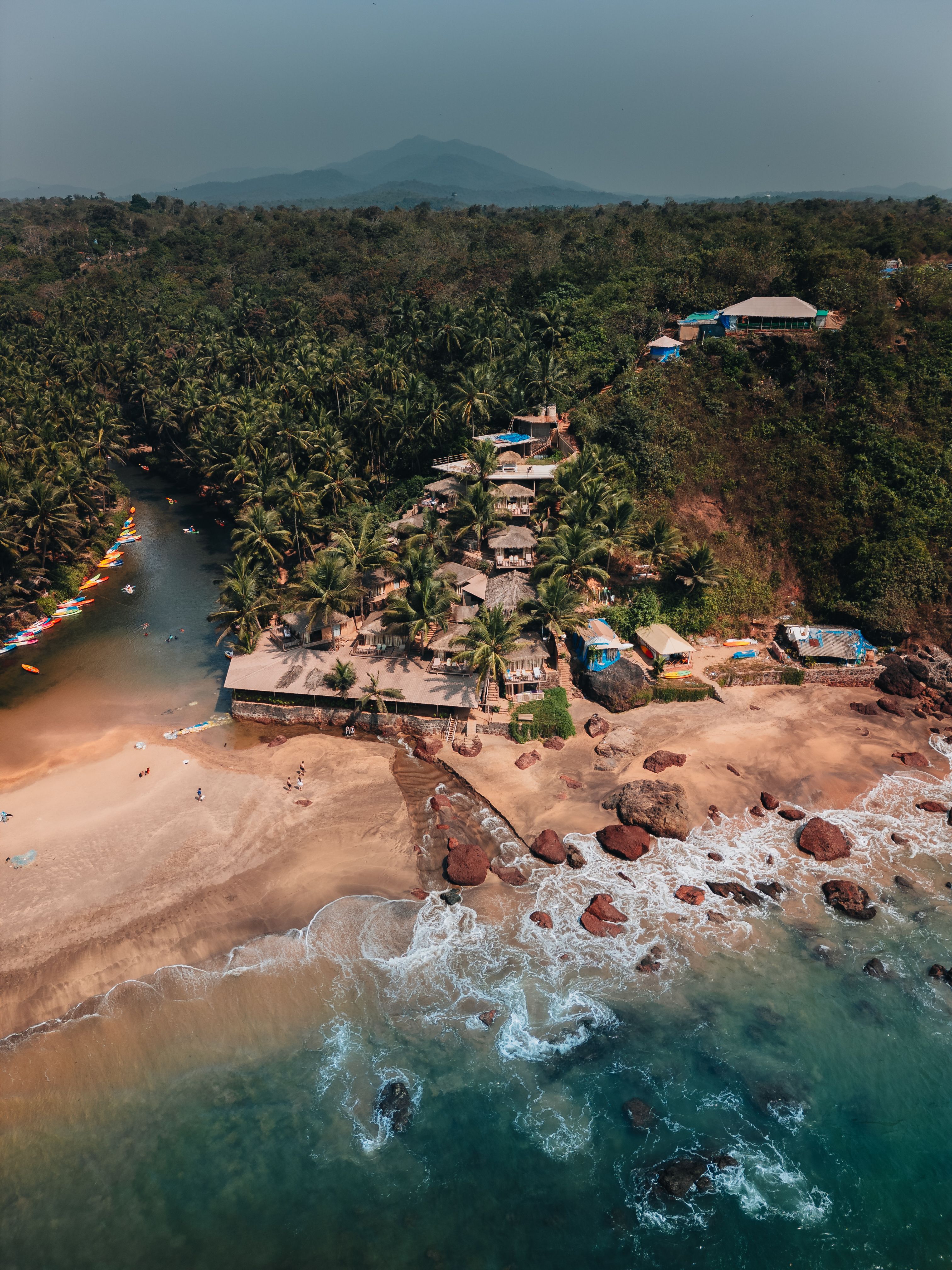
Agonda has guest houses, beach huts and a few boutique hotels. Rooms with direct beach access are in demand in peak season. Check facilities, because the area is quiet and options for dining late are limited.
When to go
November to March is the main season, and December to January are the busiest. Many places close during the monsoon. If you want an empty beach with decent weather, try late February or March.
Plan with us
Agonda suits slow, quiet trips and works well as an add-on to a Palolem stay. See our Goa honeymoon and the Palolem and Agonda guide, or tell us what you want from your trip.