On this page 10 sections
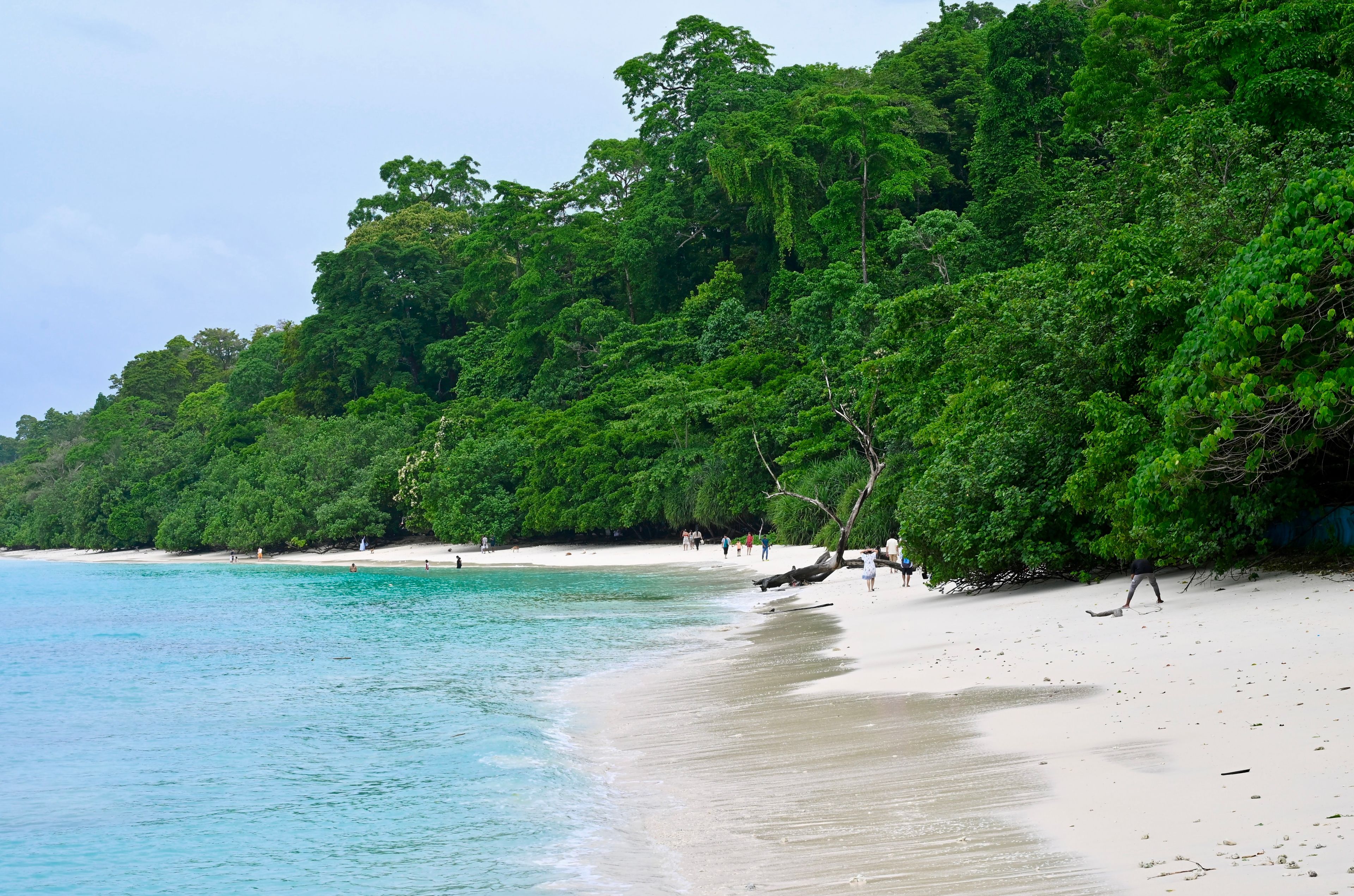
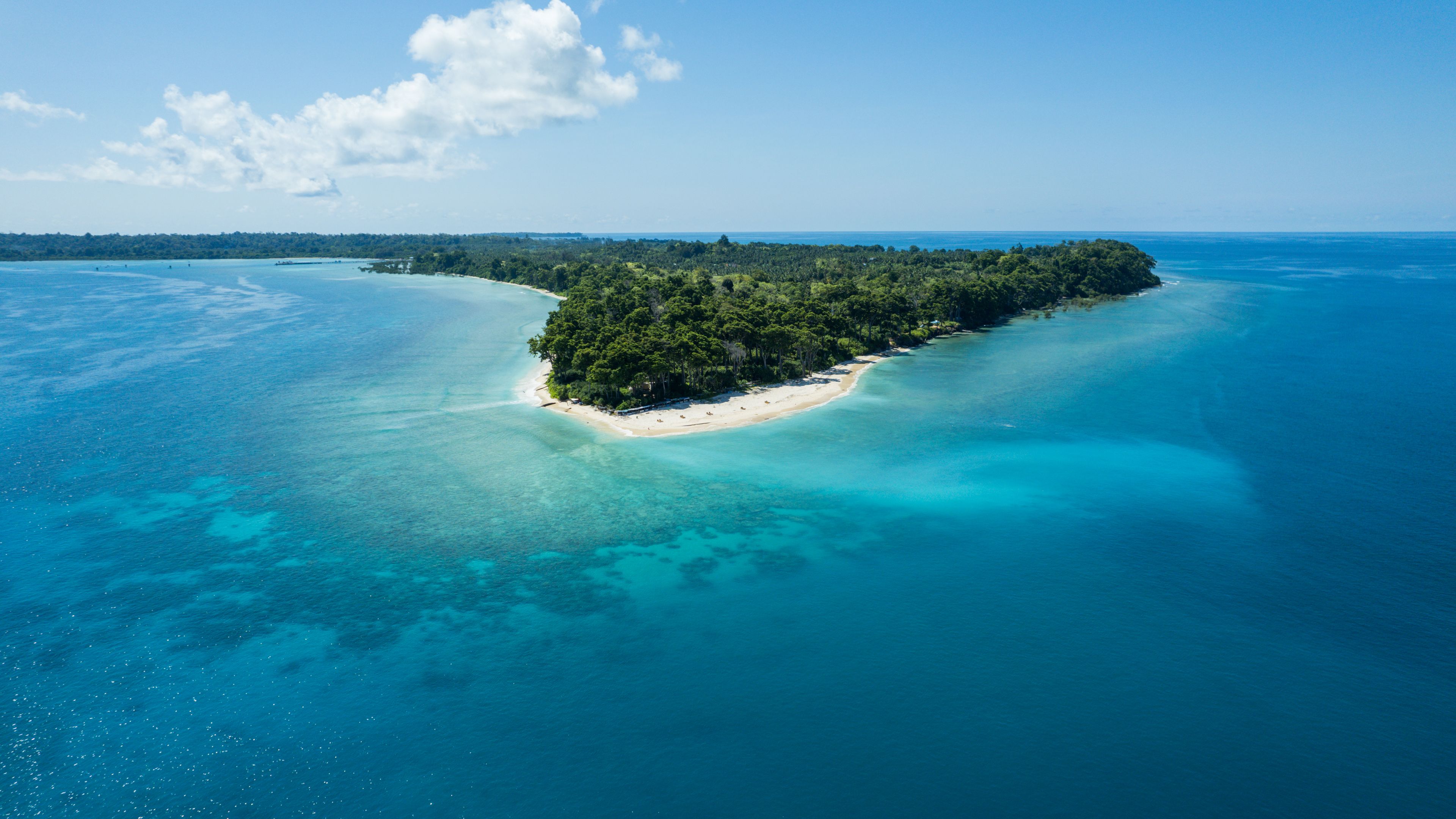
Elephant Beach is one of the most popular day trips on Havelock. A short boat ride or a forest trek leads to a bay of white sand and shallow water, with reef just off the shore, where people snorkel and try water sports. It is lively, colourful and a good introduction to the underwater world of the Andamans.
What it is like
The beach is a strip of sand lined with trees, with clear shallow water and a reef close to the shore. On busy days, boats arrive in numbers, and it can feel crowded, with water sports operators, snorkel hire and food stalls. Early morning is the best time, when it is quieter and visibility is better.
How to get there
You have two options:
- By boat. From the Havelock jetty or Vijaynagar, small boats take about 20 to 30 minutes. This is the easiest option and suitable for most people.
- By trek. A forest trail of around 2 km leads from the road to the beach. It is a pleasant walk through trees, though it can be slippery and muddy after rain, and the tide can affect the last section.
Choose a licensed operator, and make sure life jackets are provided.
Snorkelling
The reef near the beach has hard and soft corals, anemones and a variety of reef fish. Visibility depends on weather and tide. The coral here has suffered from past storms, bleaching and heavy visitor numbers, so it is not as pristine as it once was. Still, it is a good introduction, and a short snorkel gives a sense of the reef. If you want better quality, ask about Neil Island or dive trips.
Water sports
Banana boat rides, jet skis, sea walks and glass-bottom boat rides are offered by local operators. Prices vary, and safety standards can differ. Choose operators with life jackets and trained staff, and avoid anything that seems rushed or unsafe. Ride and sea walk availability depends on the season.
Coral etiquette
The reef is alive and fragile. Do not stand on coral, touch it or collect pieces. Use reef-safe sunscreen, avoid kicking with fins near the bottom and listen to your guide. Collecting shells, coral or sand is illegal. A good snorkel leaves nothing behind but ripples.
Safety
- Wear a life jacket if you are not a strong swimmer.
- Do not go beyond the marked snorkelling areas.
- Watch for changing tides and currents.
- Keep children close.
- Avoid snorkelling if you have a cold or ear problem.
- Do not go in rough seas, and follow operators' decisions about cancellations.
Best time to visit
November to April offers calm water and better visibility. Mornings are best. In the monsoon, boats do not run, and the area can be closed.
Practical tips
- Wear a rash vest or T-shirt to protect against the sun.
- Bring a towel, water and a snack.
- Rent gear only from reputable operators and check the fit.
- Carry cash, since card payments may not work.
- Take your waste back with you.
Who it suits
It suits families, couples and first-time snorkellers. If you want a quieter, more natural reef, consider Neil or a guided dive.
Plan with us
Elephant Beach is part of our Havelock plans. See the Havelock guide and the scuba and snorkel trip, or ask for a custom plan.