Short answer
Uttarakhand's food is hearty and hill-style: aloo ke gutke, bhatt ki churkani, kafuli, jhangora kheer and singori sweets. Haridwar and Rishikesh are largely vegetarian and alcohol-free, hill stations have cafes and Tibetan food, and pilgrim routes serve simple vegetarian meals.
On this page 13 sections
Food in Uttarakhand reflects the hills: simple ingredients, slow cooking and a lot of grains, lentils and wild greens. Traditional dishes use local millets, black soybeans, potatoes and spices such as jakhiya and timur, grown or foraged in the mountains. Along with this regional cuisine, you will find the full range of North Indian food, pilgrim-town vegetarian fare and cafe menus that cater to visitors from around the world.
Garhwali and Kumaoni dishes to try
- Aloo ke gutke. Potatoes cooked with mountain spices and sometimes dried chillies, a simple Kumaoni favourite.
- Bhatt ki churkani. A thick curry of black soybeans, earthy and warming.
- Kafuli. A green gravy made from spinach and fenugreek leaves, eaten with rice.
- Chainsoo. A lentil dish made from roasted and ground black gram, popular in Garhwal.
- Phaanu. A mix of soaked lentils cooked slowly.
- Mandua roti. Flatbread made from finger millet, dark and hearty.
- Jhangora kheer. Pudding made from barnyard millet.
- Singori. A sweet made from khoya and wrapped in a leaf, from Almora.
- Bal mithai. A chocolate-coloured fudge coated in sugar balls, from Almora and Nainital.
- Arsa. A sweet made from rice flour and jaggery, often served at festivals.
- Kandali ka saag. A leafy vegetable dish, with seasonal availability.
You may not find all of these on standard restaurant menus. Ask your host or driver for places that serve them, or choose a homestay with home-cooked meals.
Haridwar and Rishikesh
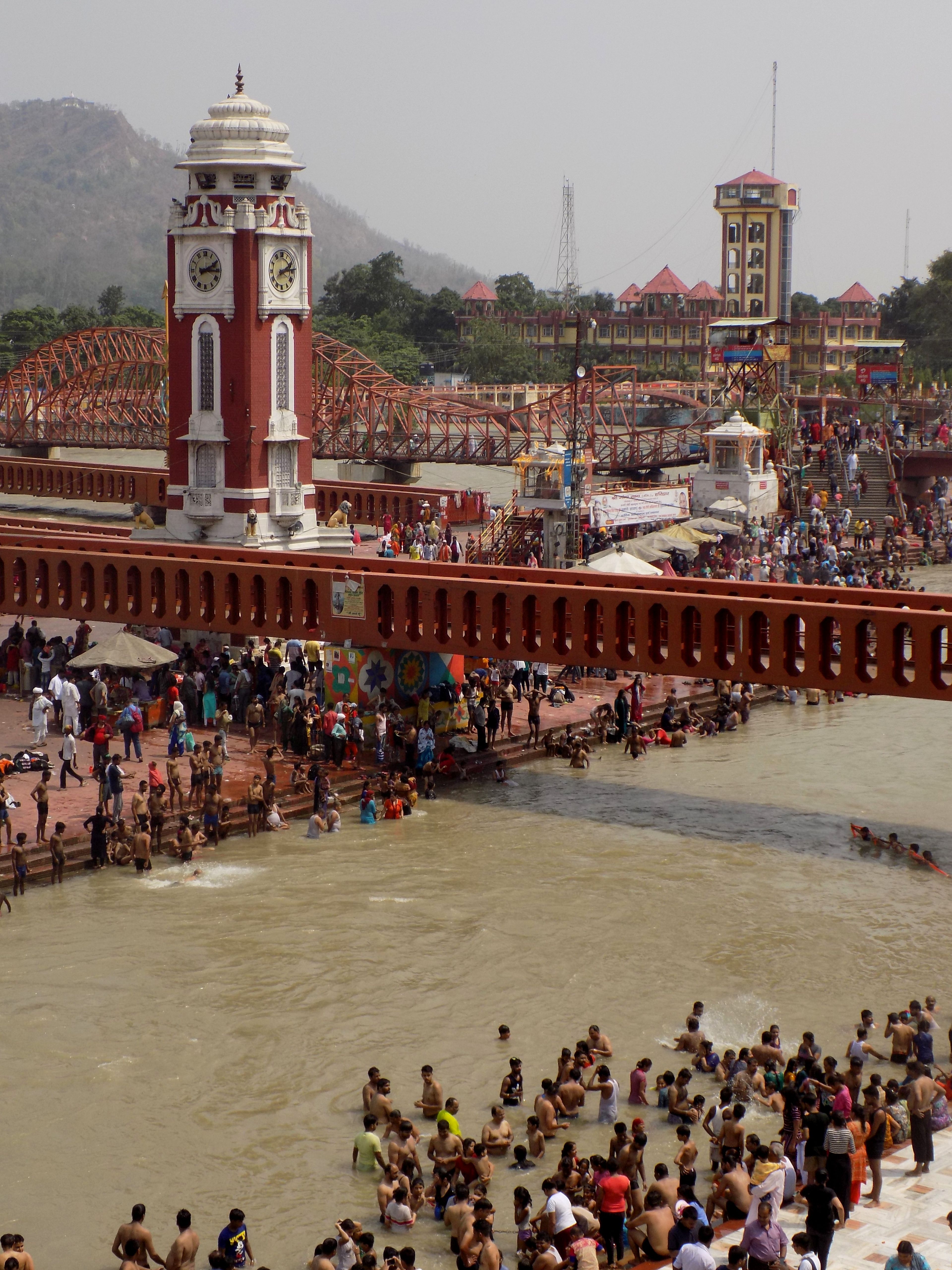
Both towns are pilgrimage centres, and many restaurants serve only vegetarian and sattvic food, without onion or garlic. Alcohol is restricted in much of the area. Typical dishes include kachori with aloo sabzi, puri, lassi, rabri, jalebi and thalis at dharamshalas. Rishikesh also has a large cafe scene, with vegan food, smoothie bowls, wood-fired pizza, German-style bakeries and Israeli dishes. Many are vegetarian by default.
Mussoorie, Landour and Nainital
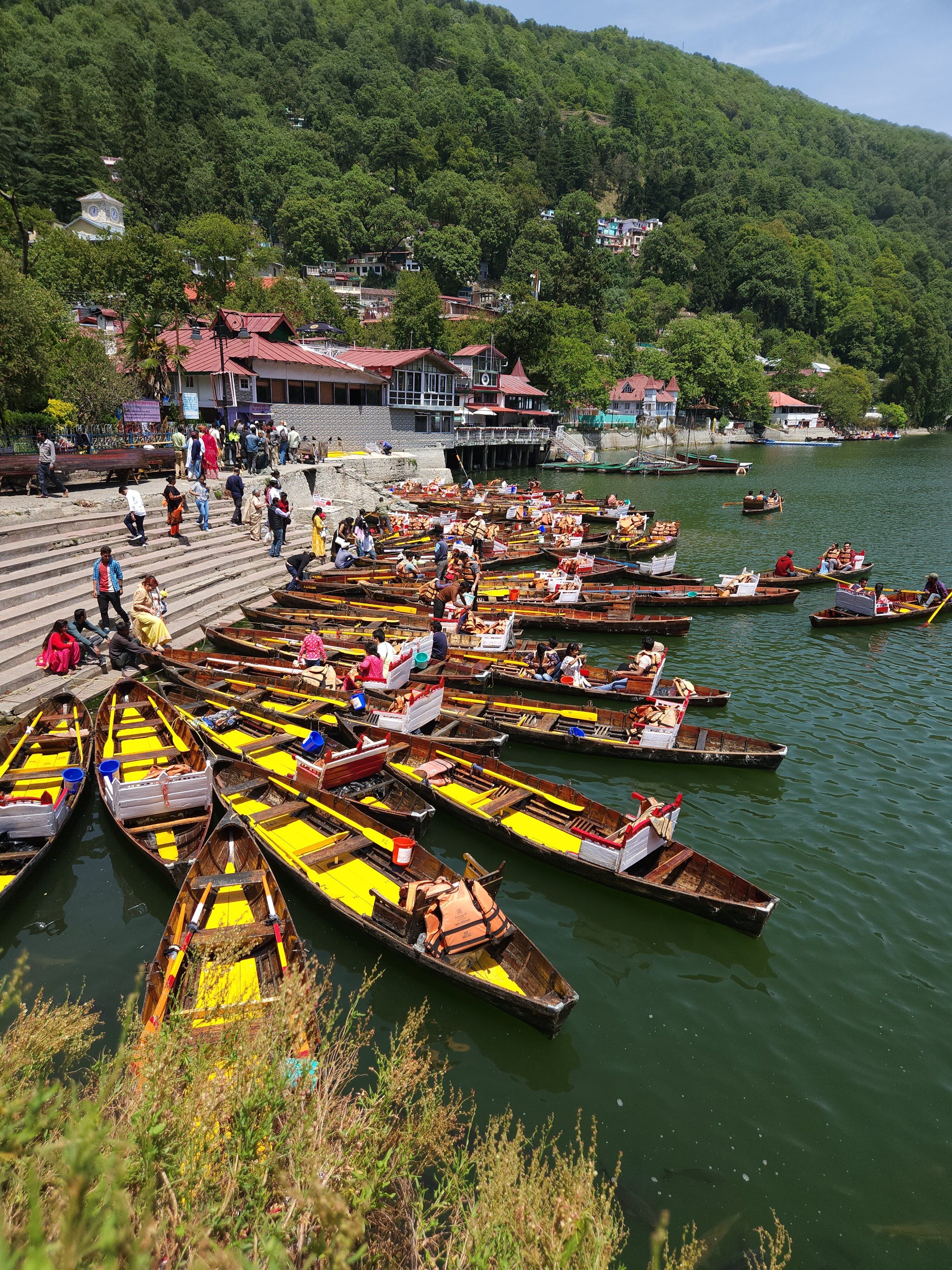
Hill stations have a mix of North Indian, Tibetan, Chinese and continental food. Try momos, thukpa, bun omelettes, pancakes, hot chocolate, fresh trout in some places and old-fashioned bakeries. In Landour, Char Dukan is known for pancakes and tea. In Nainital, bal mithai, pakoras and street snacks are popular along the Mall.
Corbett
Resorts around Ramnagar serve North Indian buffets, grilled food and regional dishes. Meals are timed around safaris, with early breakfast boxes and packed snacks. Tell the resort about dietary needs in advance. Forest rest houses inside the park serve basic meals.
Food on pilgrim routes
On the road to Kedarnath and Badrinath, meals are simple and vegetarian: dal, rice, roti, vegetables, parathas and tea. Small dhabas along the route open early. At the shrines, food stalls and langars serve basic fare. Prices are higher at remote points. Carry dry fruit, glucose biscuits and water, particularly for the trek.
Tea, snacks and sweets
Tea is the heartbeat of the hills. Roadside stalls serve strong masala chai in glasses, often with pakoras or biscuits, and a cup is a good excuse to stop on a long drive. Sweet shops in Haridwar, Rishikesh and Almora offer peda, rabri, jalebi and local fudge. Buy small portions fresh, and avoid items that have been sitting out in the heat.
Dietary needs
Vegetarian travellers eat very well. Vegans can manage in cafes and with notice in hotels. Jain travellers can be accommodated with advance notice, although options narrow on high routes. Gluten-free food is easier in cafes than in dhabas. Allergies need careful communication. Tell us in advance, and we will inform the hotels.
Eating by region
In Rishikesh and Haridwar, expect vegetarian thalis, kachori, lassi and cafe food. In Mussoorie, try Tibetan momos and old bakeries, and the pancakes of Landour. In Nainital, sample bal mithai, street snacks and Mall Road restaurants. Around Corbett, resorts serve buffets that mix North Indian and regional dishes. Along the pilgrim routes, small dhabas serve dal, rice, parathas and tea. In the villages, homestays may offer mandua roti, chainsoo and kafuli if you ask in advance.
A day of eating in the hills
A typical day might start with parathas, curd and tea, or poha and masala chai. Lunch on the road is a plate of dal, rice and sabzi at a roadside dhaba, with a plate of pakoras if it is raining. In the afternoon, a tea break with biscuits or a local sweet. Dinner at the hotel might be a North Indian meal, or, if you are lucky, a home-style Garhwali thali. Meals are simple and filling, and seldom fussy.
Street food worth trying
Look for hot jalebi in the morning, samosas and chaat in the bazaars, roasted corn on the Mall, and steamed momos with chilli sauce. Choose busy stalls with fresh food, and avoid anything that has been sitting out. In the monsoon, be extra careful with street food.
Water and hygiene
Drink bottled or filtered water, and avoid ice from unknown sources. In the monsoon, be careful with raw salads, cut fruit and street food, as stomach upsets are common. Wash your hands before eating. Carry rehydration salts. In very cold places, hot tea and soup are comforting and safe.
Food etiquette and responsible travel
Respect vegetarian and alcohol-free norms in pilgrim towns. Avoid eating non-vegetarian food in temple areas. Do not waste food at langars. Reduce plastic by carrying a reusable bottle. Support small local eateries and homestays.
Plan with us
Tell us about dietary needs when you send your dates, and we will plan hotels and meals accordingly. Read our monsoon and safety guide for tips on staying healthy, or see our Uttarakhand tour packages.
Practical tips
- Try a regional meal in a local restaurant or homestay, not only the standard hotel menu.
- Expect vegetarian-only food in Haridwar, Rishikesh and at pilgrim stops.
- Carry snacks for long hill drives, since stops are far apart.
- Drink bottled or filtered water, and be cautious with raw salads in the monsoon.
- Tell us about dietary needs, which are easy to arrange in towns and harder on high routes.