Short answer
For a first Uttarakhand trip, plan five to seven days between March and June or September and November, choose two or three bases such as Rishikesh, Mussoorie and Corbett, travel midweek where you can, keep a spare day for weather and book rafting, safaris or Char Dham registration in advance.
On this page 16 sections
- Is Uttarakhand right for you?
- How many days do you need?
- When should you go?
- Where to go
- A sensible first itinerary
- Booking ahead
- What to pack
- Using local guides and homestays
- Money and connectivity
- Etiquette and responsible travel
- Common mistakes
- The first week, day by day
- Choosing hotels
- How to choose an operator
- A note on expectations
- Plan with us
Uttarakhand rewards good preparation. It is close to Delhi and easy to enter, which leads many people to underestimate it. Roads are slow, weather changes quickly, popular places are crowded on weekends and some experiences need advance registration or booking. This guide gathers the advice we give first-time visitors.
Is Uttarakhand right for you?
Uttarakhand suits travellers who like mountains, rivers, forests and spiritual places, and who are happy to trade speed for scenery. It is not a beach destination. If you want nightlife, shopping malls or guaranteed snow, other places may suit you better. If you want fresh air, walks, a lively riverside town and a quiet hill-station evening, it is hard to beat.
How many days do you need?
Three to four days is enough for Rishikesh and Haridwar. Five to six days adds Mussoorie. Seven days allows Corbett and Nainital. Eight to nine days covers Kedarnath and Badrinath. Trying to see everything in four days leaves you in the car. Choose two or three bases, and give each two nights.
When should you go?
March to June and September to November are the best months. December to February suits Corbett and snow. July and August bring rain and landslide risk. See the best time guide.
Where to go
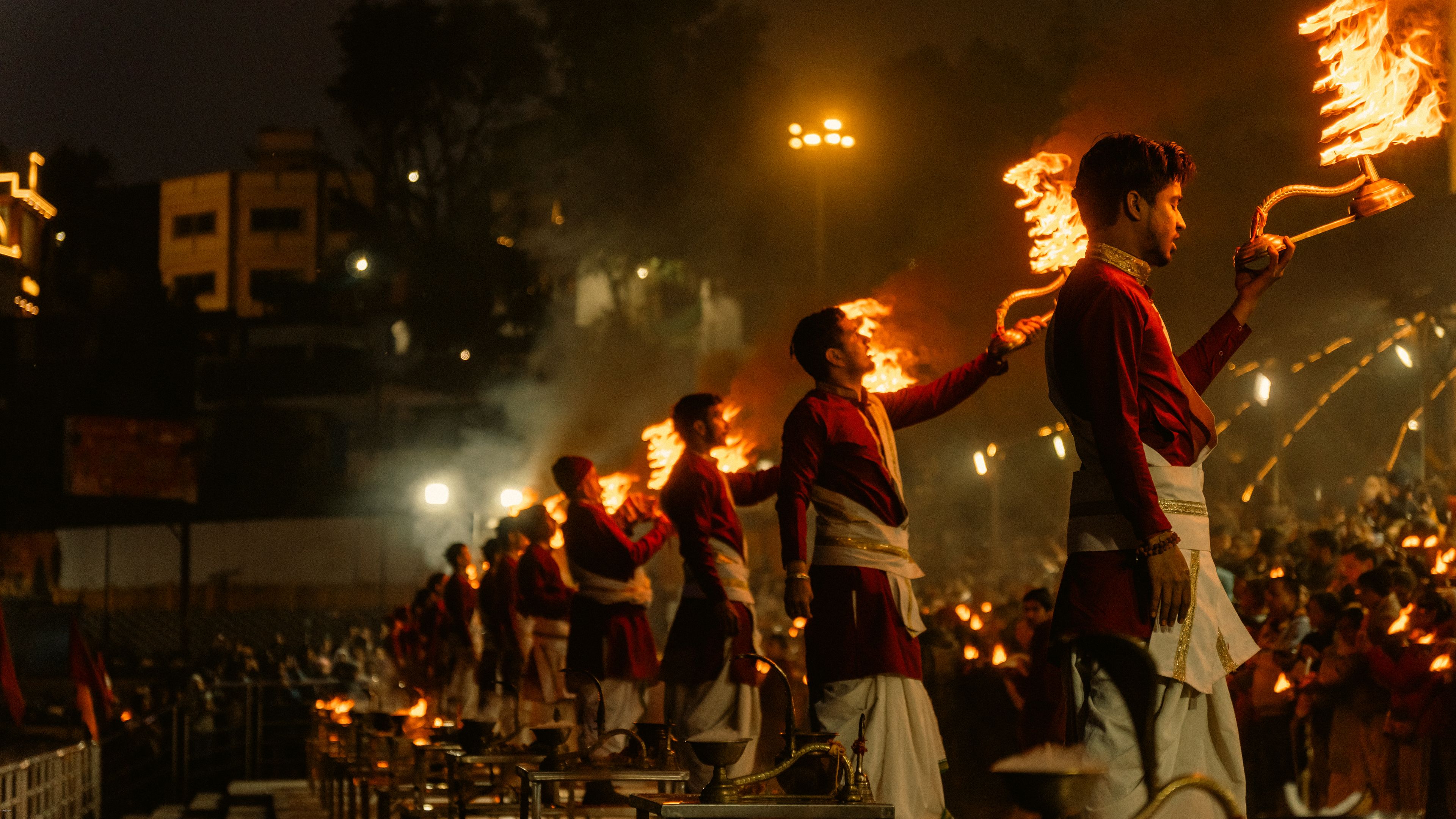
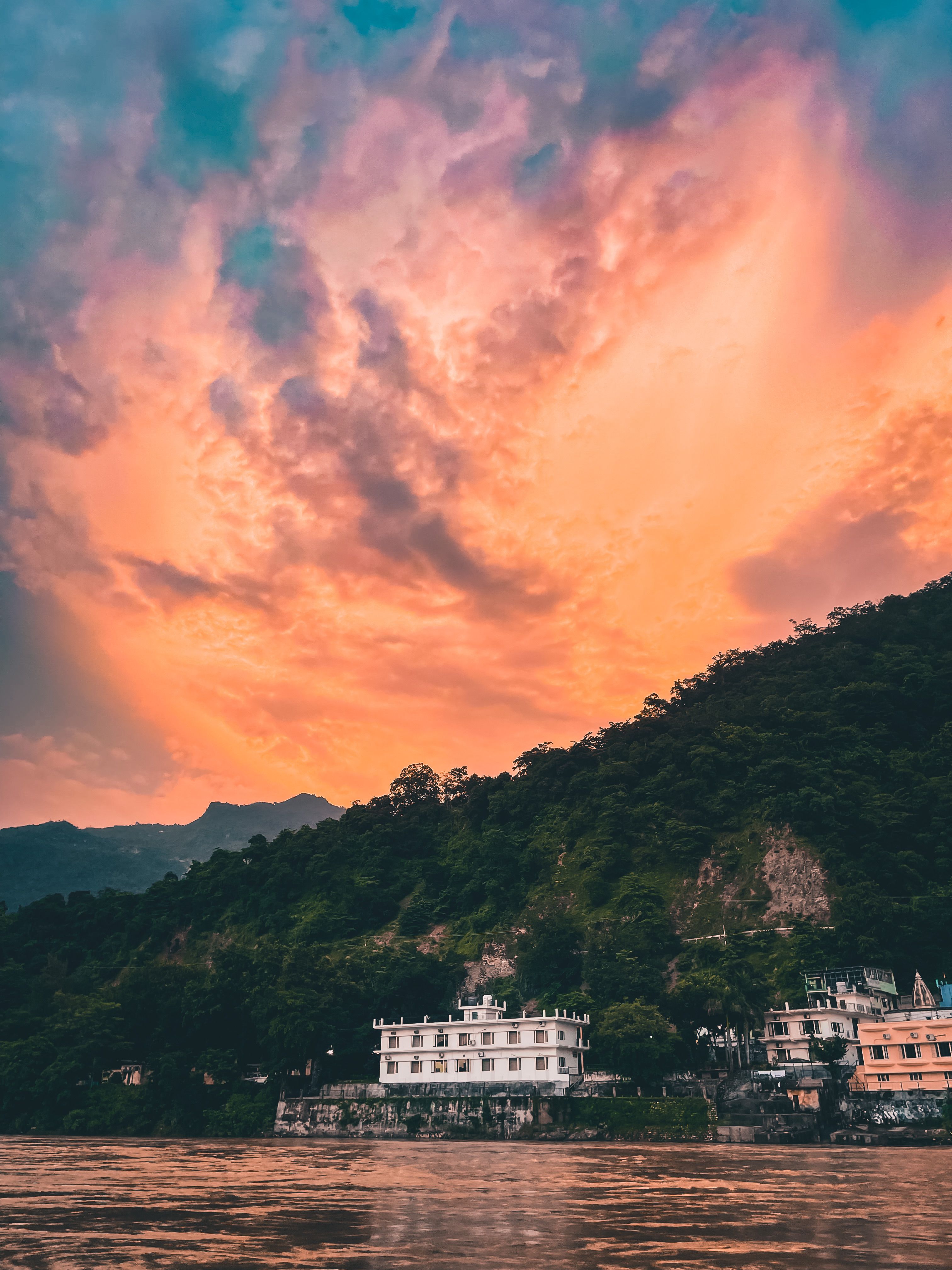
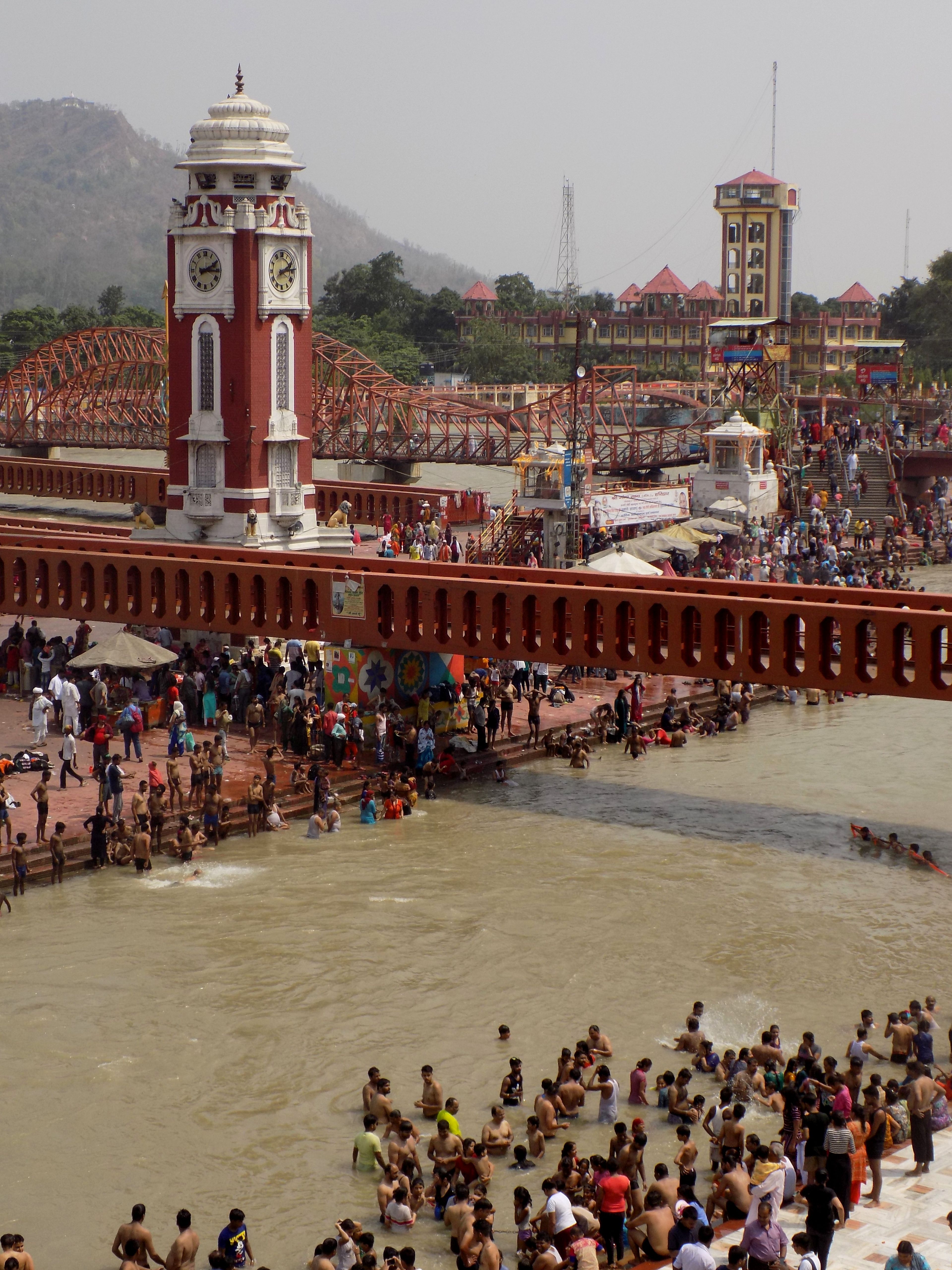
- Rishikesh and Haridwar for the Ganga, yoga, aarti and rafting.
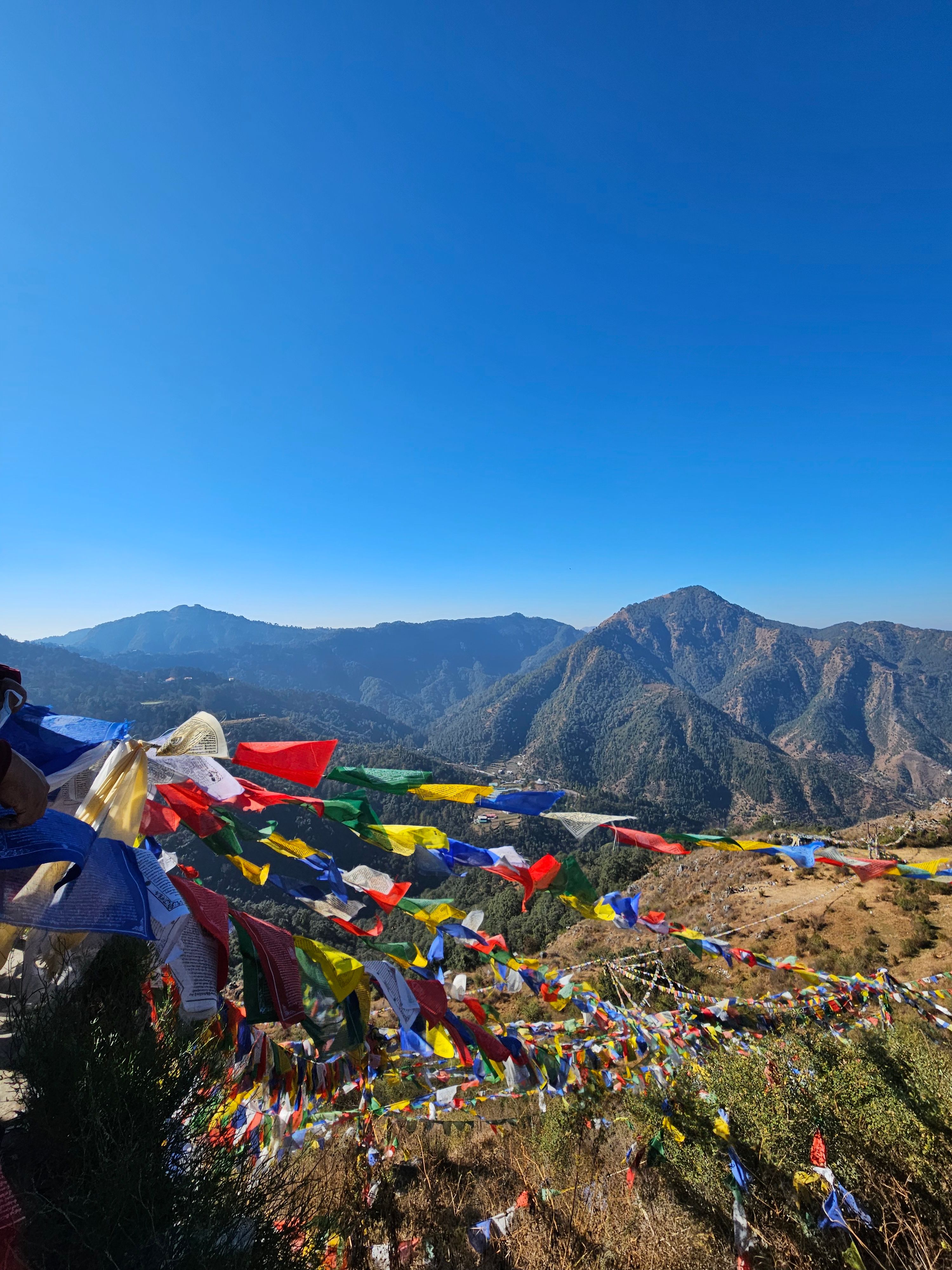
- Mussoorie and Landour for hill views and cafes.
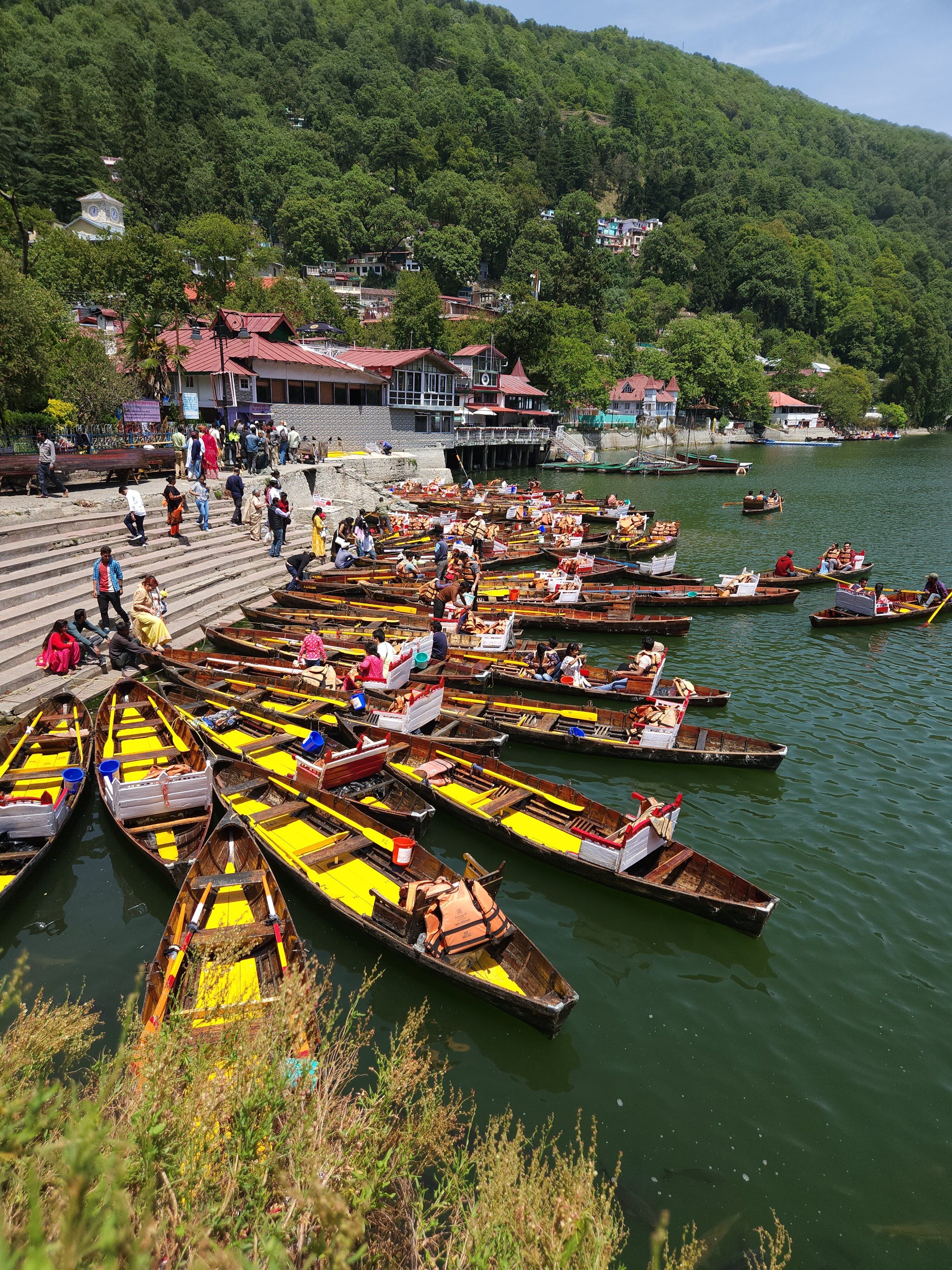
- Nainital and Bhimtal for lakes.
- Jim Corbett for safaris.
- Kedarnath and Badrinath for pilgrimage, with extra days.
- Chopta, Auli and the Valley of Flowers for high-Himalaya trips, with extra planning.
A sensible first itinerary
Haridwar for the aarti, two nights in Rishikesh, two nights in Mussoorie. This is the shape of our Classic Uttarakhand tour and the 5-day itinerary. For more time, add Corbett and Nainital, as in the 7-day itinerary.
Booking ahead
Some things need early booking. Corbett safari slots and Dhikala stays fill months ahead. Char Dham registration is mandatory. Helicopter tickets sell out. Rafting is usually bookable on the day, but operators vary in quality, so choose in advance. Hill-station hotels fill up for May, June, long weekends and the year-end.
What to pack
- Layers: a light jacket in summer, thermals in winter.
- A rain jacket and waterproof shoes from May to October.
- Comfortable walking shoes with grip.
- Sunscreen, a hat and sunglasses.
- Modest clothes for temples, covering shoulders and knees.
- Basic medicines and rehydration salts.
- A power bank and a torch.
- Cash, because ATMs are scarce at high shrines.
- A reusable water bottle.
Using local guides and homestays
Local guides add depth, whether you are walking through Landour, visiting a temple or exploring a forest. Choose guides recommended by your hotel or operator, agree on the fee in advance and ask about their experience. Homestays in the Kumaon and Garhwal hills give you a chance to eat home-cooked meals and talk to local families, and your stay supports them directly.
Money and connectivity
Cards and UPI work in towns, but carry cash for small shops, ponies and tips. Mobile coverage is good in towns and patchy in valleys. Download maps and tickets before you go.
Etiquette and responsible travel
Dress modestly at temples and ghats. Remove shoes where asked. Respect vegetarian and alcohol-free norms in pilgrim towns. Ask before photographing rituals or people. Avoid plastic, particularly near the Ganga. Treat ponies, porters and drivers well. Keep noise low in forests and quiet neighbourhoods.
Common mistakes
- Trying to see too many places in too few days.
- Underestimating hill-road drive times.
- Visiting hill stations on crowded weekends.
- Travelling in the monsoon without flexibility.
- Booking helicopters or registration through unofficial agents.
- Expecting snow on a particular date.
- Planning rafting on the last day.
- Ignoring altitude at high shrines.
The first week, day by day
Day 1: arrive in Haridwar, see the aarti and rest. Day 2: move to Rishikesh, cross the bridge and attend the evening ritual. Day 3: a yoga class, a river day and a quiet evening. Day 4: drive to Mussoorie and walk along Camel's Back Road. Day 5: Landour, Lal Tibba and a slow afternoon. Day 6: descend to Dehradun, or continue to Corbett. Day 7: safari and Nainital. This pace feels relaxed, but it is the one that works.
Choosing hotels
In Rishikesh, a riverside hotel gives you the sound of the Ganga but can be noisy near cafes. In Mussoorie and Nainital, a hotel away from the busiest stretch gives you quiet and views at the cost of a walk or short drive. In Corbett, pick a resort close to your safari gate. Look at photographs, recent reviews and the exact location, and ask about heating in winter and air conditioning in summer.
How to choose an operator
A good operator will ask about your interests, give a clear written itinerary, name the hotels, explain what is included and tell you honestly when a plan is too tight. Be cautious of anyone who promises a tiger sighting, guaranteed snow or a Char Dham trip without registration. Ask for recent reviews, compare quotes like for like, and check that activities such as rafting use licensed providers.
A note on expectations
Uttarakhand can be both serene and chaotic. Rishikesh is calm in the early morning and packed by midday. Mussoorie's Mall is lively at night and peaceful at dawn. Pilgrimage towns can be noisy, crowded and moving all at once. If you go with an open mind and a flexible plan, you will see both sides.
Plan with us
Send us your dates, group and any health notes, and we will suggest a realistic plan. You can also read the weather guide or browse our Uttarakhand tour packages.
Practical tips
- Choose two or three bases instead of five; hill roads eat time.
- Go midweek to hill stations and avoid Friday evening arrivals.
- Book Corbett safaris and Char Dham registration as soon as dates are fixed.
- Pack layers and rain gear, and carry cash for small shops and shrines.
- Keep a spare day before your flight or train home.