On this page 10 sections
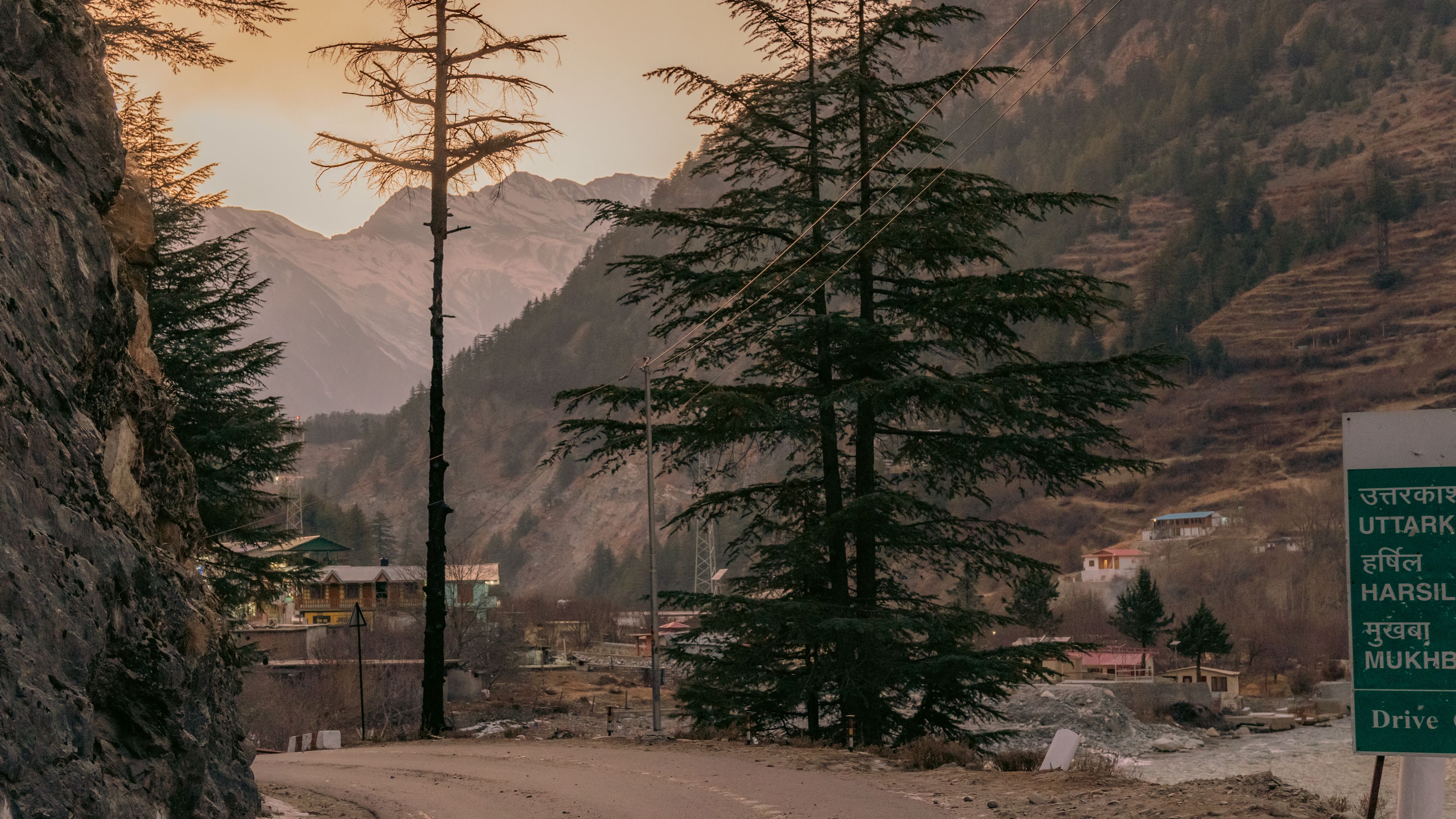
Badrinath sits in the Alaknanda valley at about 3,100 metres, beneath the peak of Neelkanth. The temple is dedicated to Vishnu, in his form as Badrinarayan, and is one of the Char Dham and the Chota Char Dham circuits. Unlike Kedarnath, it can be reached by road, which makes it more accessible, though the journey to it is long. A few kilometres further, Mana village offers a glimpse of Himalayan border life.
The temple
The temple is a brightly painted structure with a pointed roof and a gilded dome, set against snow peaks. Inside, the deity is made of black stone and is worshipped in a seated meditative posture. Traditionally, the chief priest (Rawal) comes from a Nambudiri family in Kerala, a reminder of Adi Shankaracharya's links to the shrine. Queues for darshan can be long during the main season, especially in the morning.
Tapt Kund
Beside the temple, Tapt Kund is a natural hot spring, where pilgrims bathe before entering the temple. The water is warm and sulphurous. Bathing areas are separated, and it can be crowded. In cold weather, the steam and warmth are welcome. Follow the rules and keep valuables safe.
Mana village
Mana, about 3 km beyond Badrinath, is often described as the last Indian village before the Tibetan border. It is home to the Bhotia community, whose traditional livelihood includes trade, weaving and sheep rearing. Sights include:
- Vyas Gufa, a cave associated with the sage Vyasa, said to have composed the Mahabharata here.
- Ganesh Gufa, a nearby cave linked to Ganesha.
- Bhim Pul, a natural rock bridge over the Saraswati river, linked to the Pandavas.
- Vasudhara Falls, a waterfall reached by a trek of several kilometres from Mana.
- Small tea shops and woollen stalls, where you can buy handmade items.
Mana is a village with a border presence, so follow signs and rules about photography. Entry beyond the village is restricted.
Getting there
Badrinath is about 300 km from Rishikesh, a journey of ten to twelve hours by road, usually broken at Srinagar (Garhwal), Rudraprayag or Joshimath. The road passes the Prayag confluences, Karnaprayag and Chamoli. Landslides are common in the monsoon, and traffic is regulated in places. Joshimath is the last major town, and has been affected by land subsidence, so check its current condition.
Registration and the season
Pilgrims have been required to register on the state's portal, and some shrines restrict entry to the inner areas to Hindus. The temple opens in late April or May and closes in November, with dates announced around religious festivals. During winter, the deity is moved to Joshimath. We confirm the current rules close to your dates.
Altitude
Badrinath is lower than Kedarnath, but at 3,100 metres altitude can still affect people. Rest on arrival, drink water and avoid heavy meals. The air is cold in the mornings and evenings, even in summer. Wear layers and carry a rain jacket.
Where to stay
Badrinath has guesthouses and hotels, from basic to mid-range, with limited rooms. Many pilgrims stay at Joshimath, Pipalkoti or Govindghat and visit in a day, though that means a long drive. Book early for May and June. Heating and hot water vary.
A sensible timetable
Arrive at Badrinath by midday, rest, bathe at Tapt Kund and visit the temple in the late afternoon or the next morning. Visit Mana in the afternoon, when the light is soft. Return to your hotel before dark, because mountain roads are risky at night.
Respect and responsible travel
Dress modestly, remove footwear, and follow queue rules. Do not photograph the sanctum. Avoid plastic and keep the area clean. Buy from local women's cooperatives and shops in Mana. Respect the restrictions on border areas.
Plan it with us
See the Kedarnath and Badrinath guide and the yatra plan, or ask us for advice.