Short answer
For houseboats, choose a registered, classified boat with proper waste treatment and ask about cabins, meals, timings and air-conditioning hours. To get around Kerala, a private car with driver is the most flexible, trains suit the coast, and ferries and the Water Metro link islands and backwater towns.
On this page 12 sections
Two practical questions shape a Kerala trip: how to choose a houseboat, and how to move between places. Both have more detail than most websites suggest. This guide covers them together, because both involve water, roads and a bit of local knowledge.
What a Kerala houseboat is
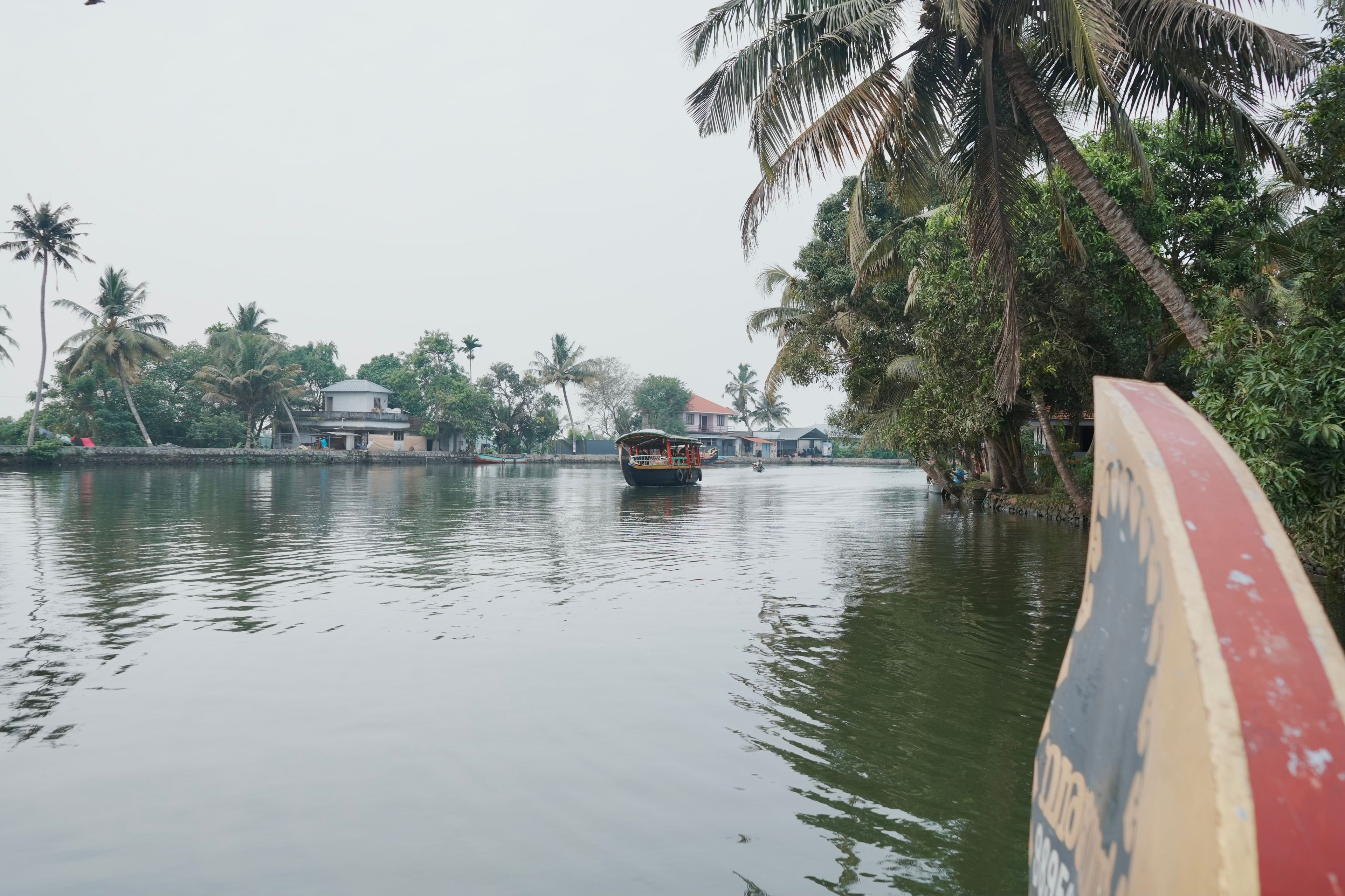
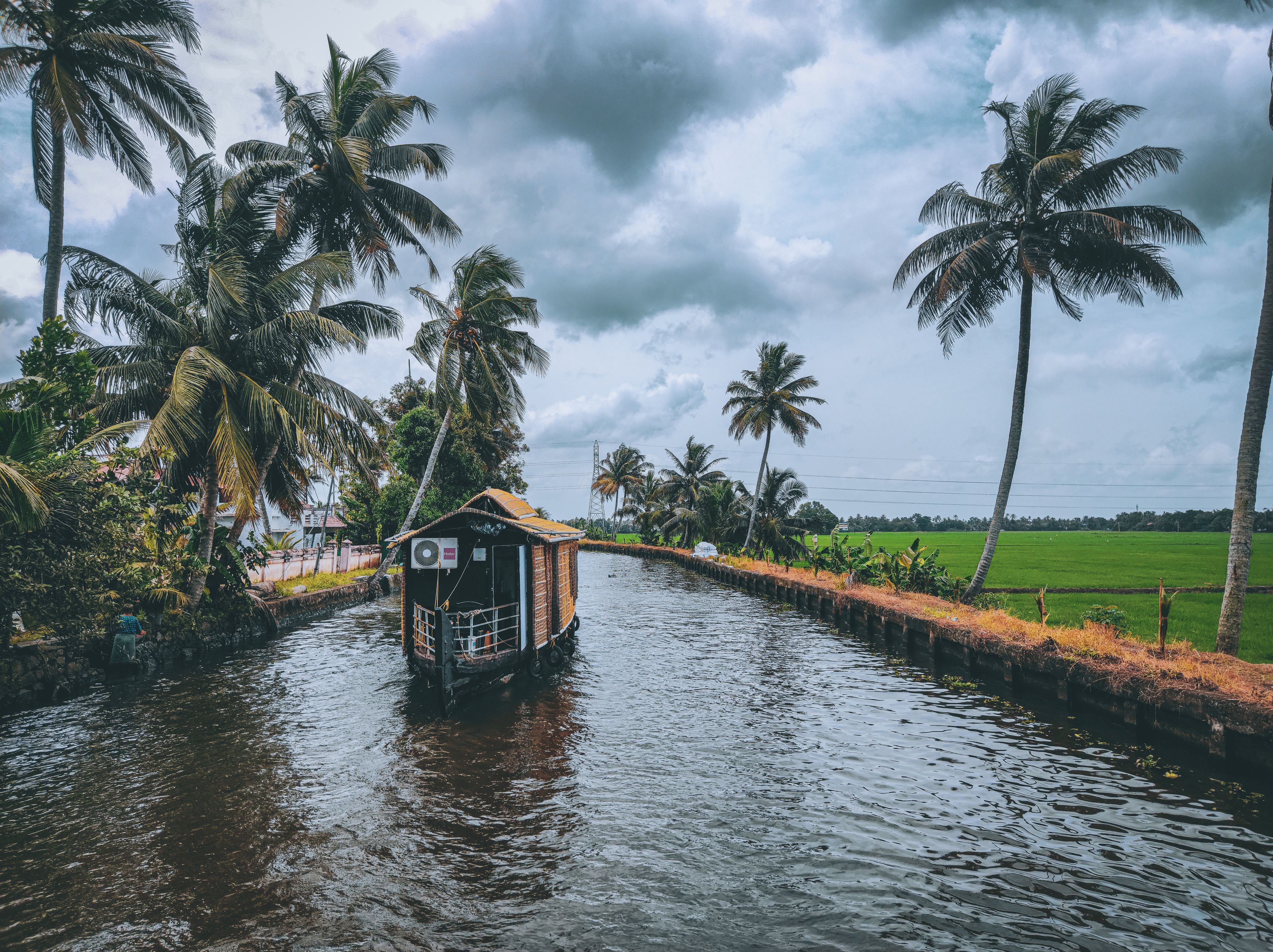
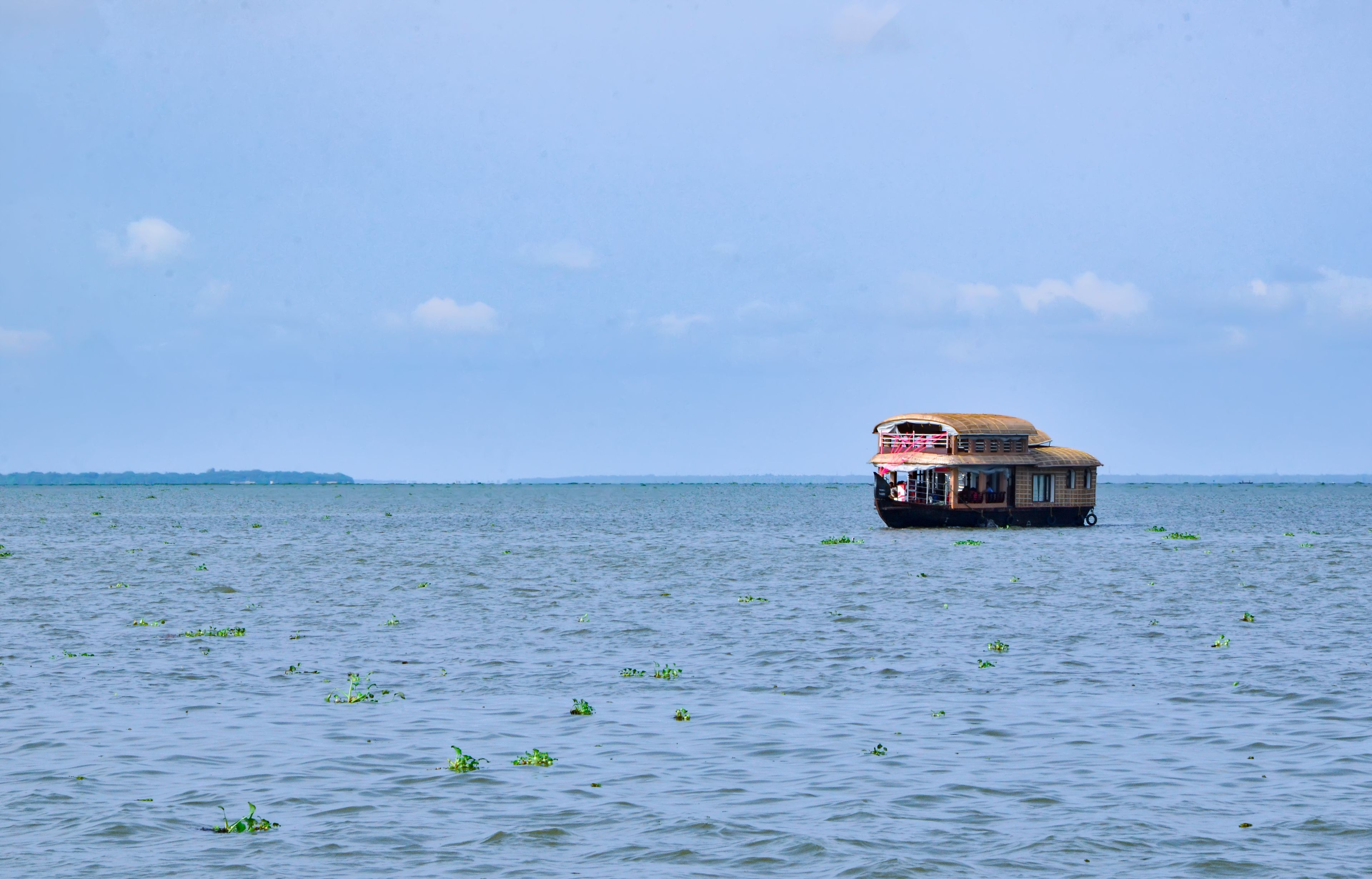
A houseboat, or kettuvallam, is a traditional rice barge converted into a floating hotel. Boats range from one bedroom to five or six, with a lounge, dining area, kitchen and often a sun deck. A crew of a captain, a cook and a helper runs the boat. Most boats cruise slowly through canals and across the lake, and are moored near the shore in the evening.
Types of cruise
- Day cruise. From around 10 am to 5 pm, with lunch on board. Cheaper, and good for those short on time.
- Overnight cruise. From around noon to 9 am the next day, with lunch, tea, dinner and breakfast. This is the classic experience.
- Sunset cruise. A shorter ride in the late afternoon, usually without a stay.
- Shared cruise. A cheaper option on a larger boat with other guests, less private.
Regulation and classification
The Kerala Tourism Department classifies houseboats as Diamond, Gold or Silver based on standards for safety, hygiene and facilities. Boats must also be registered with the Ports Department and meet pollution rules. In 2026, the High Court ordered that houseboats without proper waste treatment must not operate on Vembanad Lake, and inspections followed. For you, this means asking questions: Is the boat registered? What is its classification? Does it have a waste-treatment system and a valid certificate? A reputable operator will tell you.
What to ask before you book
- Classification and registration. Ask for the numbers or certificates.
- Recent photos of the actual boat, including the cabin and bathroom.
- Air-conditioning. Does it run all night, or only for set hours? Is it included?
- Meals. What is on the menu, and can it accommodate dietary needs?
- Crew. How many, and do they speak your language?
- Check-in and check-out times, and the route.
- Safety. Are life jackets available for everyone, including children?
- Alcohol policy. Some boats allow it, others do not.
- Total price. What is included, and what is extra?
Alleppey or elsewhere?
Alleppey has the most boats and can feel crowded, particularly in peak weeks. Kumarakom is quieter, with lake-based cruises and resorts. Kollam's Ashtamudi Lake and Munroe Island offer a calmer, less commercial experience. If you value peace, ask for a quiet route away from the busiest canals.
Etiquette on board
Keep noise down, particularly in the evening. Be polite with the crew and tip fairly at the end. Do not throw litter into the water. Avoid photographing villagers without permission. If you drink alcohol where it is allowed, do so responsibly.
Moving around Kerala
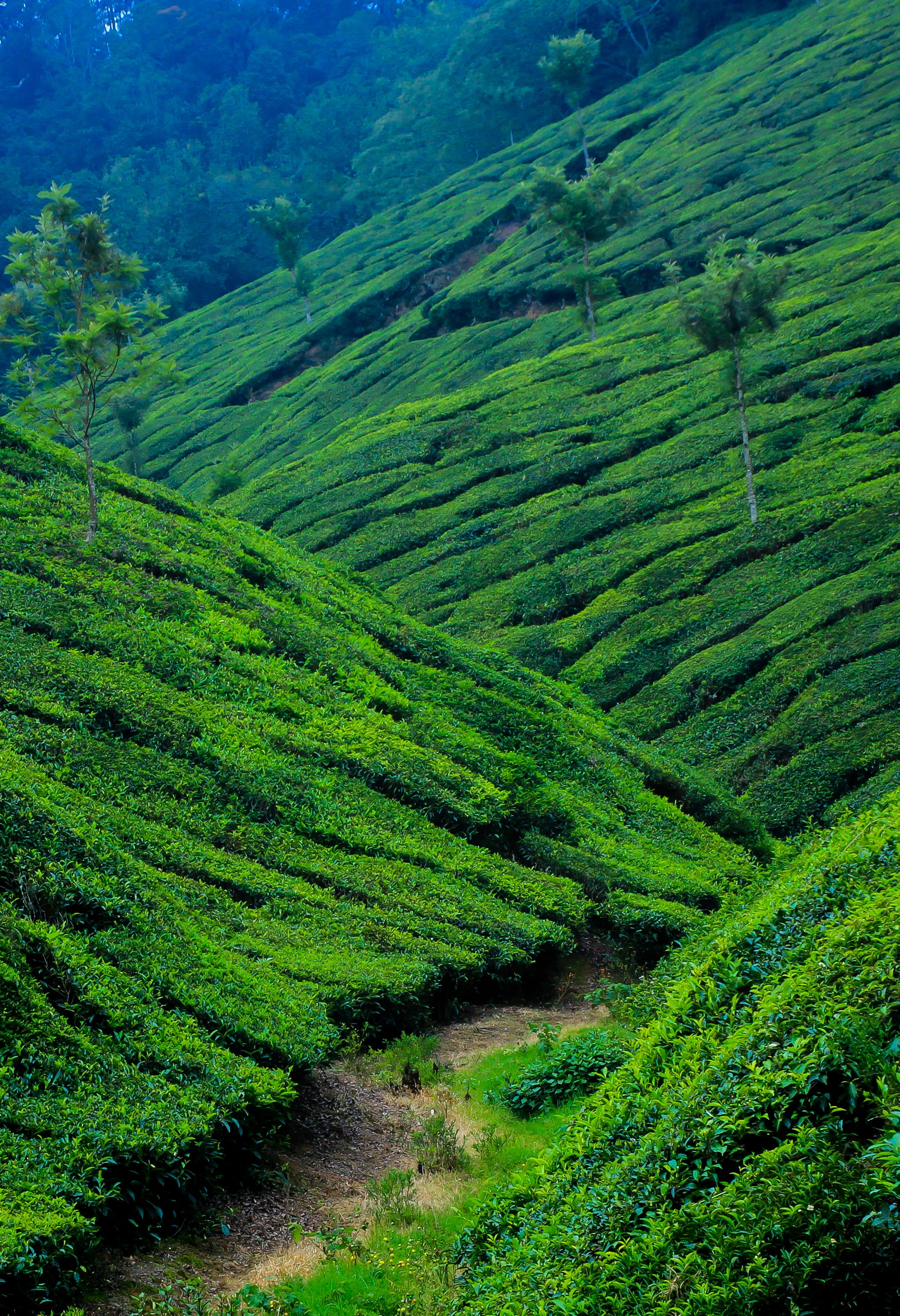
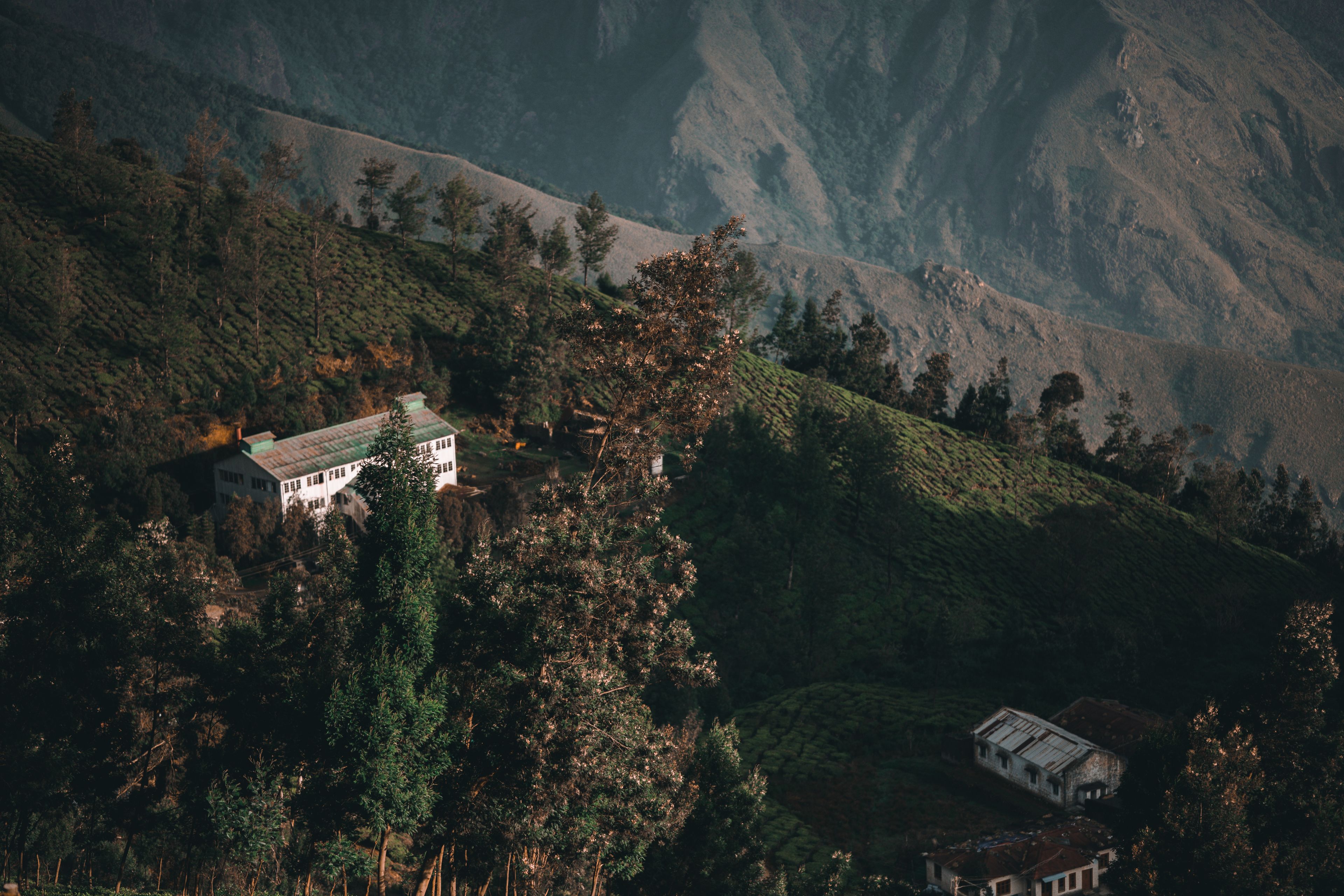
Private car with driver. The most practical way to cover the hills, backwaters and beaches. Roads are winding in Munnar and Thekkady, so an experienced driver matters. Plan three to four hours per leg and avoid driving after dark in the hills.
Trains. Good along the coast. Useful for Kochi, Alleppey, Kottayam, Varkala and Thiruvananthapuram. They do not reach Munnar or Thekkady.
KSRTC and private buses. Affordable and frequent, but slower and less comfortable for tourists with luggage.
Ferries and boats. The State Water Transport Department's public boats between Alleppey and Kottayam are slow and scenic. In Kochi, ferries and the Water Metro connect islands such as Fort Kochi, Vypin and Mattancherry.
Auto-rickshaws and app cabs. Convenient within towns. Agree on prices or use apps.
Self-drive. Possible but not usually recommended for first-time visitors, given winding roads, heavy rain and wildlife on the road.
Sample day with transport
A typical Kochi to Munnar day starts at 8.30 am with a car pickup, stops at a waterfall or viewpoint around 11 am, lunch at 1 pm and arrival at the hotel at 3 pm. After checking in, you rest or take a short walk. This leaves the evening free and avoids rushing.
A sample overnight houseboat timeline
Around noon, you board the boat at the jetty and meet the crew. The boat sets off, and lunch is served on deck as you move through canals. In the afternoon, you cross the open lake or enter narrow side channels, with tea and snacks around 4 pm. By late afternoon, the boat moors, and you can watch the sunset, walk along the shore or sit quietly. Dinner is served on board around 7.30 pm, and the generator or inverter runs the air-conditioning for the night. After breakfast the next morning, the boat returns to the jetty by about 9 am.
Houseboat dos and don'ts
Do bring a hat, sunscreen, mosquito repellent and a light jacket. Do tell the crew about dietary needs and allergies. Do keep valuables secure. Don't throw litter into the water, don't leave children unsupervised on deck and don't pressure the crew to change the route. Tip the crew fairly at the end if you are happy with the service.
Road safety
Hill roads have sharp bends, so speed should be moderate. In the monsoon, landslides and water on the road are risks. Elephants and other animals can cross roads in forested areas. Avoid night driving in the hills, wear seat belts and give your driver breaks.
Plan with us
We choose classified houseboats and experienced drivers for every trip, and we describe both in your quote. See the Alleppey and Kumarakom guide, the Alleppey houseboat cruise and our Kerala tour packages, or tell us what you need.
Practical tips
- Ask for the houseboat's registration, classification and waste-treatment details.
- Request recent photos of the actual boat and cabin, not stock images.
- Confirm check-in and check-out times, and air-conditioning hours.
- Use a private car for hill sections and trains for coastal legs.
- Allow 3 to 4 hours for each road leg between main bases.