On this page 10 sections
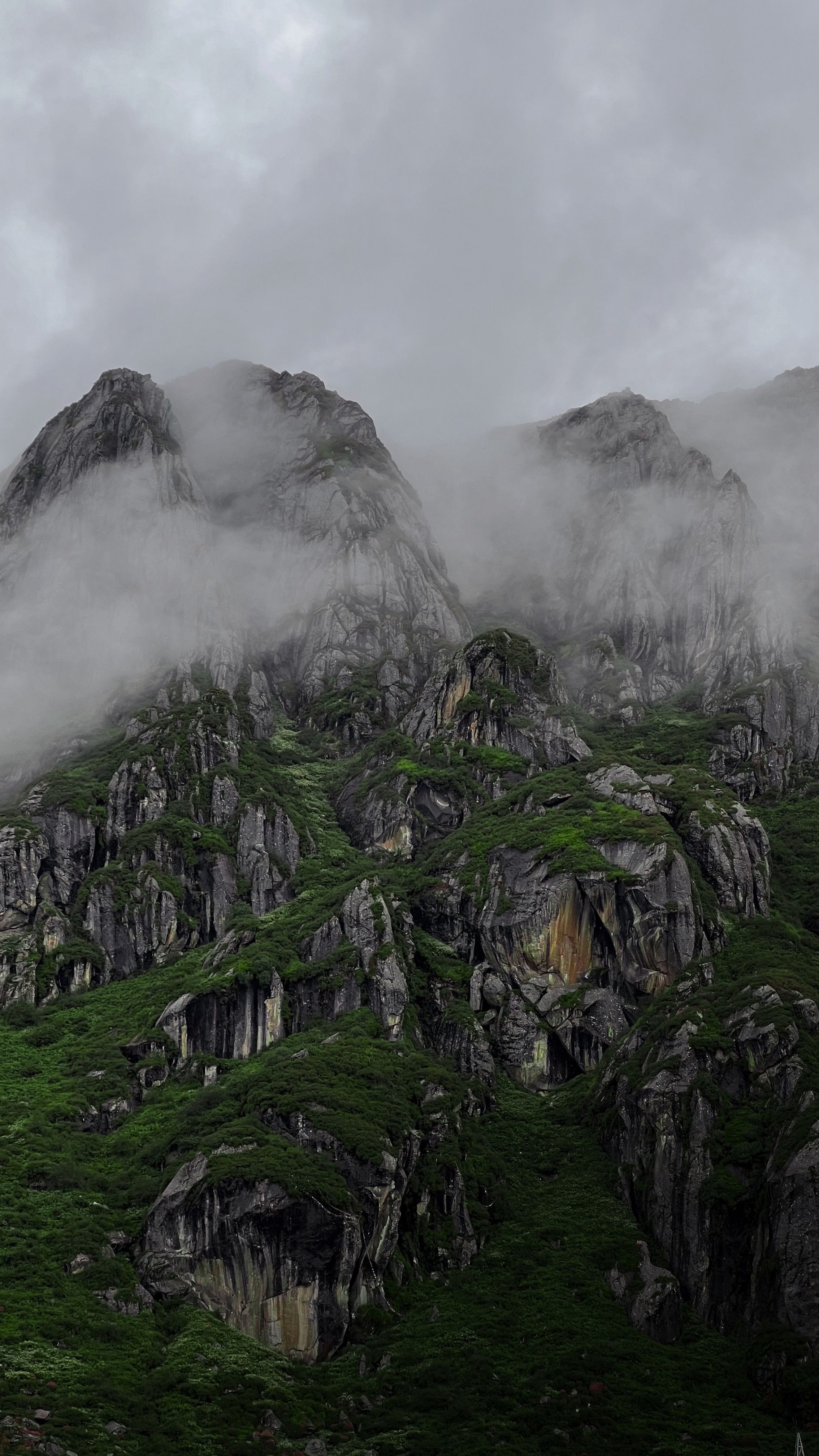
North Sikkim is the wildest part of the state. Beyond Mangan, the road follows the Teesta river into narrowing valleys, towards Lachen and Lachung, and on to high-altitude lakes and passes close to the Tibetan border. The landscapes are dramatic: waterfalls, forests, rhododendron slopes, snowfields and, at the top, lakes at over 5,000 metres. The area is also remote, permit-controlled and vulnerable to landslides, floods and weather.
What North Sikkim is like
Lachung, at about 2,700 metres, is a village of wooden houses on a river, and Lachen, at about 2,750, is a similar village in a parallel valley. Each is a base for excursions. Yumthang Valley, near Lachung, is a meadow valley at about 3,500 metres, known as the Valley of Flowers of Sikkim, with a rhododendron sanctuary and hot springs. Zero Point (Yumesamdong), above Yumthang, is a snowy high point at around 4,700 metres. From Lachen, a long and rough road climbs to Gurudongmar Lake, a sacred lake at 5,430 metres.
What to see
- Yumthang Valley, meadows, rivers and rhododendron slopes, with snow in winter.
- Zero Point (Yumesamdong), a high snowfield, usually reached by taxi from Yumthang.
- Lachung village and monastery, for a taste of Lachungpa life.
- Gurudongmar Lake, a sacred high lake, with extreme altitude and cold, open to Indian citizens subject to permits and conditions.
- Chopta Valley and Thangu, high plateaus with wide views.
- Seven Sisters Waterfall and Bhim Nala, roadside stops on the way.
- Hot springs at Yumthang, simple bathing areas by the river.
Permits and rules
Indian citizens generally need Protected Area Permits for Lachen, Lachung, Yumthang and Gurudongmar, arranged through registered operators. Foreign nationals face tighter restrictions, and some places, including Gurudongmar, have been closed to them. Travel to North Sikkim usually requires a registered operator. The permit system has been moving towards online, QR-based formats, and rules change. We confirm the current position close to your dates.
Roads, floods and landslides
North Sikkim was heavily hit by a glacial lake outburst flood on the Teesta river in October 2023, which damaged roads and bridges and led to a pause in tourism. Landslides in later years stranded visitors for days. Permits for some areas resumed in phases. As a result, access in any given season depends on road repairs and weather. We check the situation shortly before you travel, and offer alternatives such as Pelling or Tsomgo if a route is closed.
Altitude and health
Lachung and Lachen are above 2,700 metres, Yumthang about 3,500, Zero Point about 4,700 and Gurudongmar above 5,400. Altitude sickness is a real risk. Spend nights at Lachen and Lachung, ascend gradually, and avoid exertion. Gurudongmar is dangerous for people with heart or lung conditions, young children and elders. Descend promptly if symptoms worsen.
Best time to visit
April and May bring rhododendron blooms at Yumthang. October and November have clear skies and crisp air. December to February brings snow and ice, but roads can be closed. The monsoon is generally unsuitable, because landslides and road blockages are common.
Where to stay
Lachung and Lachen have simple lodges, guesthouses and a few better hotels. Facilities are basic, with limited hot water and heating, and power cuts are common. Book early for peak season. Gangtok or Mangan are the usual overnight stops on the way.
What to bring
Warm clothing, waterproofs, sturdy shoes, sunglasses, sunscreen, medicines, snacks, cash and a power bank. Mobile coverage is limited, and ATMs are absent.
Responsible travel
The region is ecologically fragile. Do not litter, and take your waste back to Gangtok. Avoid plastic bottles. Respect local customs, monasteries and sacred lakes. Do not disturb wildlife, and keep to marked paths.
Plan it with us
North Sikkim is part of our North Sikkim plan. Tell us your dates, and we will check the current position.